Updated July 16, 2026

Commercial Auto Insurance in Montgomery
Local fleets stack short service runs, retail deliveries, and patient transport in the same day, which changes how you should review vehicle classes, driver schedules, and liability limits before renewal. If you are shopping for commercial auto insurance in Montgomery, your policy should match stop-and-go use, frequent parking lot exposure, and employees who may switch between owned, hired, and personal vehicles for work. Montgomery County has 5,575 business establishments, which means you are sharing the roads with thousands of other service vehicles and the odds of a parking lot incident go up. The county mix leans toward retail trade at 15.6%, health care and social assistance at 12.1%, and other services at 11.7%, so expect insurers to see frequent short trips and lot exposure as the norm rather than the exception. Many buyers here should look closely at loading and unloading claims, backing losses, and whether non-owned auto liability belongs in the quote. When you request options, bring your current vehicle schedule, driver list, garaging addresses, and a plain description of how each unit actually works on a typical day.
Commercial Auto Insurance Risk Factors in Montgomery
Montgomery's top risk factors include Tornado damage, Hail damage, Severe storm damage, and Wind damage. Montgomery's crime index of 106 (national avg: 100) increases vehicle theft risk, comprehensive auto coverage is important here. Tornado damage and Hail damage can cause significant vehicle damage, make sure comprehensive coverage is included.
Alabama has a high climate risk rating. Top hazards: Tornado (Very High), Hurricane (High), Flooding (High), Severe Storm (High). The state's expected annual loss from natural hazards is $1.4B, which influences commercial auto insurance premiums and may affect coverage availability in high-risk areas.
What Commercial Auto Insurance Covers
In Alabama, commercial auto insurance is built around the vehicle's business use and the state's minimum liability requirement for commercial vehicles. That minimum is the starting point, not the full picture, because Alabama also notes that uninsured and underinsured motorist coverage may be required, and the state's uninsured-driver rate makes that protection especially relevant on local roads. Standard coverage can include liability for bodily injury and property damage, collision for damage to your own vehicle after a crash, comprehensive for theft or weather-related losses, medical payments, and uninsured motorist protection. Comprehensive can matter more here than in milder states because severe weather has produced major declared losses in recent years. Hired auto and non-owned auto coverage can also be important if employees rent vehicles or use personal cars for work errands, client visits, or deliveries. Coverage details vary by carrier, so Alabama businesses should check whether endorsements are needed for rented vehicles, employee-owned vehicles, or a mixed fleet.
Coverage Included

Bodily Injury Liability
Covers injuries you cause to others in an accident

Property Damage Liability
Covers damage you cause to others' property
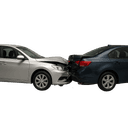
Collision Coverage
Pays for damage to your vehicle in an accident

Comprehensive Coverage
Covers theft, vandalism, weather, and animal damage

Medical Payments
Covers medical costs for your drivers and passengers

Uninsured Motorist
Protection when the other driver lacks insurance
Hired & Non-Owned Auto
Covers rented or employee-owned vehicles used for work
Commercial Auto Insurance Cost in Montgomery
Average Cost in Alabama
$130 - $440
per month
Businesses in Alabama typically see commercial auto insurance premiums of $130 - $440 per month, which tends to run 4% above the national range of $140 - $410 per month.
- Fleet size and vehicle types
- Driver records and experience
- Coverage limits and deductibles
- Business industry and use
- Annual mileage and operating radius
- Claims history
Rates based on small business averages. Your actual premium may vary.
Prices shown are general estimates, not guaranteed rates or quotes. Your actual premium will depend on the insurer, coverage selected, business details, location, claims history, and other underwriting factors. Learn about our pricing methodology.
That spread reflects real differences in fleet size, vehicle type, driver records, coverage limits, deductibles, business use, annual mileage, operating radius, and claims history. Monthly per-vehicle costs for a small business can range from around $150 for a single sedan with clean records to $300 or more for heavier trucks with higher exposure. Alabama's premium index suggests pricing is below the national average overall, but that does not mean every business will see low pricing. A company with frequent highway miles between major cities may pay differently than one with limited local routes. Weather exposure also matters because the state's severe-storm profile can push comprehensive-related pricing upward. Alabama's fatal crash rate of 1.53 deaths per 100 million vehicle miles traveled runs above the national average of 1.37, meaning insurers may price liability and collision risk higher for businesses with significant road time.
What Makes Montgomery Different
Route density is what changes the calculus here. In a market shaped by retail, health care, and service businesses, vehicles often make more stops, spend more time in parking lots, and are driven by employees whose day includes deliveries, appointments, pickups, or mobile service calls. Retail trade accounts for 15.6% of county establishments, health care and social assistance 12.1%, and other services at 11.7%, which tells you many local fleets are tied to repetitive stop-and-go driving rather than long-haul patterns. That means you should not treat every unit the same on the application. Separate the van that runs all day from the pickup used twice a week. Review who parks where overnight, who is allowed to drive, and whether employees ever use their own cars for errands or visits. Those details shape which coverages deserve a closer look and which vehicles need higher limits.
Our Recommendation for Montgomery
A contractor pickup, a florist van, and a home health vehicle can all look similar on paper, but their claim patterns can differ if one spends the day backing into driveways and another carries staff between appointments. Ask your agent to classify each unit by actual duty, radius, and driver assignment instead of copying last year's schedule. Next, review liability with your contracts in mind. With 5,575 business establishments in the county, many companies work through landlords, vendors, and commercial clients that may expect solid proof of coverage before work starts, so your limits need to match what those contracts actually require. Confirm whether your limits still fit the jobs you are taking on. If employees ever rent vehicles, borrow vehicles, or use personal cars for business tasks, ask for a specific review of hired and non-owned auto exposure. Keep driver MVRs, garaging addresses, and loss runs ready before you request quotes, since detailed submissions tend to produce quotes you can actually compare side by side.
Get Commercial Auto Insurance in Montgomery
Enter your ZIP code to compare commercial auto insurance rates from carriers in Montgomery, AL.
Business insurance starting at $25/mo
FAQ
Frequently Asked Questions
Buyers should match the quote to actual route patterns, driver assignments, and parking conditions. Because the county has 5,575 business establishments, many companies operate in a dense local service environment where hired and non-owned auto liability may deserve a closer review.
Retail and service fleets often face more backing, loading, unloading, and parking lot exposure than occasional-use vehicles. The establishment mix includes retail trade at 15.6% and other services at 11.7%, so classifying each vehicle by real use is worth the effort.
Health care and social assistance businesses should review who drives, whose vehicle is used, and whether staff travel between appointments. That sector makes up 12.1% of county establishments, meaning non-owned auto exposure can come up more often than owners expect.
Businesses usually get a cleaner quote comparison by preparing a current vehicle schedule, driver list, garaging addresses, and recent loss runs. If your operation uses employee cars or rented vehicles for work, note that up front so the quote reflects it.
Montgomery households report a median income of $55,687, which means a typical claim settlement or repair cost in this market may run lower than in higher income areas. Balance premium savings against what your business can realistically absorb after a loss. Review deductibles and downtime tolerance together instead of choosing the lowest upfront cost.
In Alabama, it can cover liability, collision, comprehensive, medical payments, and uninsured motorist protection. Hired and non-owned auto is also available through the right endorsement if your business rents vehicles or has employees using personal cars for work.
Alabama requires commercial vehicles to carry minimum liability of 25,000/50,000/25,000 and to be registered with the Alabama DMV, and the state notes that uninsured and underinsured motorist coverage may be required.
Pricing varies based on vehicle type, drivers, mileage, and coverage choices.
Sources
- 1.U.S. Census Bureau, County Business Patterns, Montgomery County(The county has 5,575 business establishments, so a lot of companies are operating in the same service economy and often need vehicles to reach customers, vendors, and job sites quickly.; The county mix also leans toward retail trade at 15.6%, health care and social assistance at 12.1%, and other services at 11.7%, so many buyers here should look closely at loading and unloading claims, backing losses, and whether non-owned auto liability belongs in the quote.)
- 2.U.S. Census Bureau, ACS 5-Year Estimates, table B19013(Montgomery households report a median income of $55,687, which is a reminder to balance premium savings against what your business can realistically absorb after a loss.)
Updated July 16, 2026