








































Updated July 16, 2026

Commercial Truck Insurance in Montgomery
Short, dense service loops define this market more than long highway mileage. Your policy often has to account for trips tied to stores, clinics, repair calls, and recurring local deliveries, not just the uninterrupted routes you see elsewhere in the state. That changes what you should review on a quote: garaging address, travel distance, driver schedules, loading habits, and whether your trucks spend more time backing and unloading than cruising between cities. In the county containing Montgomery, there are 5,575 business establishments, which means your drivers likely face dozens of customer-lot entries per shift where most low-speed damage actually occurs. If your operation serves retail storefronts, medical offices, apartment communities, or mixed commercial corridors in the same day, ask for a policy review built around your actual daily stops and job changes, not a generic Alabama trucking profile. You may also want to line up vehicle schedules, driver lists, and any borrowed or employee-owned vehicle use before requesting terms, because underwriters usually price local operational detail more accurately when your submission shows how each unit is actually used.
Commercial Truck Insurance Risk Factors in Montgomery
Montgomery's top risk factors include Tornado damage, Hail damage, Severe storm damage, and Wind damage.
Alabama has a high climate risk rating. Top hazards: Tornado (Very High), Hurricane (High), Flooding (High), Severe Storm (High). The state's expected annual loss from natural hazards is $1.4B, which influences commercial truck insurance premiums and may affect coverage availability in high-risk areas.
What Commercial Truck Insurance Covers
Commercial truck insurance in Alabama can help protect trucking operations that move freight, equipment, or deliveries across the state and beyond. Core protection usually includes motor carrier liability, physical damage, cargo coverage, trailer interchange, bobtail coverage, and non-trucking liability insurance, but the exact mix depends on whether you run long haul, regional routes, or local hauling. Alabama does not create a separate truck insurance package by itself, so your policy is shaped by carrier underwriting, your business size, and the routes you run under state oversight. A fleet running through storm-prone counties may want to pay close attention to physical damage and cargo insurance because Alabama's severe weather can create expensive losses. Liability requirements also matter, as the state's commercial auto minimums apply while federal freight rules may require higher motor carrier liability coverage depending on what you haul. Coverage terms can vary for owner-operators, small fleets, and larger motor carriers, and some shippers may ask for limits above the minimums. Exclusions and endorsements vary by policy, so a quote should be reviewed for trailer interchange language, non-trucking use, and whether cargo limits match the freight you actually move.
Coverage Included

Motor Carrier Liability
Can help cover injuries and property damage your truck causes to others, a coverage federal regulators require most for-hire carriers to maintain.
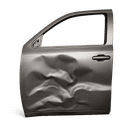
Physical Damage
Can help pay to repair or replace your own truck after an accident, fire, theft, or vandalism.
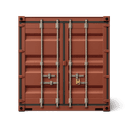
Cargo Coverage
May pay for damage to or theft of the freight you are hauling while it is in your care.
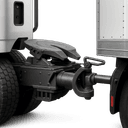
Trailer Interchange
Can help cover damage to trailers you haul under an interchange agreement but do not own.

Bobtail Coverage
May provide liability protection when you drive your tractor without a trailer attached, such as after dropping off a load.

Non-Trucking Liability
Can help cover accidents that happen when you use your truck for personal errands rather than dispatched work.
Commercial Truck Insurance Cost in Montgomery
Average Cost in Alabama
$350 - $1,050
per month
Businesses in Alabama typically see commercial truck insurance premiums of $350 - $1,050 per month, which tends to run 8% below the national range of $400 - $1,125 per month.
- Radius of operation
- Commodities hauled and cargo value
- Number and value of power units
- Driver motor vehicle records and CDL experience
- DOT safety record, inspections, and FMCSA scores
- Liability limits and physical damage deductibles
Contact CPK Insurance for a personalized quote.
Prices shown are general estimates, not guaranteed rates or quotes. Your actual premium will depend on the insurer, coverage selected, business details, location, claims history, and other underwriting factors. Learn about our pricing methodology.
Commercial truck insurance cost in Alabama is influenced by both market conditions and operating risk. Your quote can move up or down based on coverage limits, deductibles, claims history, location, industry risk profile, and policy endorsements. Alabama's high tornado risk, plus high hurricane, flooding, and severe storm exposure, can push premiums upward for trucks that park, load, or travel in vulnerable areas. Loss trends also matter, as Alabama sees real accident exposure on state roadways and underwriters may price policies accordingly. Those crash causes can include common roadway hazards, which may affect both liability and physical damage pricing. If you haul in higher-risk lanes, carry heavier cargo, or need broader motor carrier liability coverage, your premium may trend higher than a local box truck with short, predictable routes. The best way to narrow the range is to request a quote with your VINs, routes, freight type, and loss history ready.
Industries & Insurance Needs in Montgomery
County business mix matters here because it points to the kinds of stops your trucks are more likely to make. In the county containing Montgomery, retail trade accounts for 15.6% of establishments, health care and social assistance 12.1%, and other services except public administration 11.7%. That mix often means more parking-lot movement, tighter delivery windows, service body work at occupied properties, and repeat visits to the same customer locations. For a buyer, the consequence is practical: your quote should distinguish between straight delivery, mobile service, contractor hauling, and mixed-use fleets. If one truck delivers inventory in the morning and carries tools to service calls in the afternoon, say so clearly. You should also review liability limits, physical damage deductibles, and any cargo or equipment exposure against the actual stop pattern, because underwriters tend to rate mixed local use differently from cleaner point-to-point operations.
What Makes Montgomery Different
Dense stop patterns on Montgomery's narrow commercial corridors, like those along the Atlanta Highway retail strip, are what change the calculus here. In this market, many commercial vehicles are not simply passing through on long regional lanes. They are working repeated local routes, entering customer lots, backing near storefronts, unloading beside occupied buildings, and returning to the same accounts several times each week. That operating pattern can create a different claims profile than a truck that spends most of its time on uninterrupted highway miles. If your drivers handle frequent stops, after-hours deliveries, or mixed cargo and tool transport, make that visible in the application. When your submission spells out the daily grind, the underwriter can classify the exposure correctly and you avoid finding out after a loss that a truck was scheduled for one use while your business had shifted to another.
Our Recommendation for Montgomery
Start with your dispatch reality, not your renewal declaration page. For each truck, note the unit number, where it parks at night, who drives it, how far it typically travels, and what role it plays in your daily operation. If you serve stores, clinics, or property managers on recurring routes, ask your agent to review liability around loading, unloading, backing, and customer-site access. If a personal vehicle is ever used to pick up parts or make deliveries, ask about coverage for borrowed or employee-owned vehicles instead of assuming the business is covered. You may also want to compare deductibles against the age and value of each unit, especially if one older truck could be repaired out of pocket while a newer financed unit cannot. Before you bind, check that your policy documents match your current operations, because a local fleet that changes routes, drivers, or vehicle use during the year should be updated promptly, not just at renewal.
Get Commercial Truck Insurance in Montgomery
Enter your ZIP code to compare commercial truck insurance rates from carriers in Montgomery, AL.
Business insurance starting at $25/mo
FAQ
Frequently Asked Questions
Montgomery fleets often run denser stop patterns than longer state routes, so the key issue is how your trucks are used during a workday. A quote built only on annual mileage can miss the exposure that comes from repeated backing, unloading, and customer-site access across the same neighborhoods each week.
Montgomery County does affect underwriting context because it has 5,575 business establishments. That concentration means your trucks may be making more lot entries and backing maneuvers per shift, which is where most low-speed collisions happen. If your trucks serve many commercial accounts, document route frequency and vehicle use clearly.
Retail trade is 15.6% of establishments, health care and social assistance 12.1%, and other services 11.7%, which means roughly four in ten local businesses may rely on regular delivery or service visits. Trucks serving those sectors see more stop-and-go wear and more chances for lot accidents, so documenting those route details matters.
Montgomery household budgets can affect how some small operators weigh deductibles, downtime risk, and repair cash flow. A single at-fault backing claim at a retail dock can cost five figures in repairs and lost revenue, so matching your deductible to what you can actually absorb out of pocket matters before you renew.
In Alabama, a commercial truck policy can be built around motor carrier liability, physical damage, cargo coverage, trailer interchange, bobtail coverage, and non-trucking liability, depending on whether you run local, regional, or long-haul routes.
Alabama's commercial auto minimums apply, and your actual trucking operation may need more if federal freight rules or shipper contracts require higher motor carrier liability coverage.
The typical range for the state is about $350 to $1,050 per month per truck, but your final price varies with claims history, location, limits, deductibles, and policy endorsements.
If you haul freight, cargo coverage may help protect the load during transit, and physical damage coverage may help protect the truck itself. Both are especially worth reviewing in Alabama because of storm exposure and freight loss risk.
Sources
- 1.U.S. Census Bureau, County Business Patterns, Montgomery County(In the county containing Montgomery, there are 5,575 business establishments, so many truck risks here come from frequent vendor stops, time-specific deliveries, and certificate requests before work starts.; In the county containing Montgomery, retail trade accounts for 15.6% of establishments, health care and social assistance 12.1%, and other services except public administration 11.7%.)
Updated July 16, 2026





