Updated July 16, 2026

On-Hook Towing Insurance in Montgomery
A towing operation here often runs from apartment complexes and repair shops to hospital campuses, retail parking lots, and dealer lots. You might handle short urban tows mixed with longer pulls out toward surrounding county roads. That operating pattern is why your policy should be reviewed around handoff points, storage transitions, and the kinds of vehicles you move for local accounts, not just around the truck itself. A sedan picked up after a parking enforcement call creates a different damage dispute than an inoperable SUV leaving a medical office lot. A dealer unit being repositioned between locations raises its own questions.
Montgomery's median household income is $55,687, which means a typical customer vehicle is a daily-use car the owner cannot easily replace. When a claim involves that car, the owner's financial pressure can turn a minor scratch into a prolonged dispute. If your book includes apartment management, repair facilities, hospitals, or retail property calls, review how on-hook limits, deductibles, and claims documentation fit those assignments. The goal is to make sure your documentation and limits line up with the specific handoff and authorization patterns each account type creates.
On-Hook Towing Insurance Risk Factors in Montgomery
Montgomery's top risk factors include Tornado damage, Hail damage, Severe storm damage, and Wind damage.
Alabama has a high climate risk rating. Top hazards: Tornado (Very High), Hurricane (High), Flooding (High), Severe Storm (High). The state's expected annual loss from natural hazards is $1.4B, which influences on-hook towing insurance premiums and may affect coverage availability in high-risk areas.
What On-Hook Towing Insurance Covers
The practical review starts with your actual handoff points. A clean quote process looks at where responsibility begins, how condition is documented, and which jobs create the biggest disagreement risk after delivery. That matters if your work includes roadside calls on wet shoulders, post-collision pickups, private property impounds, dealer transfers, or moves involving low-clearance vehicles that can pick up damage during loading or unloading. The policy terms you review should line up with those moments, because claim disputes often turn on exactly when the vehicle entered your care and what your driver noted before movement started.
You should also look closely at how your operation separates ordinary towing from tougher recovery-style work. Some operators handle mostly routine disabled-vehicle tows, while others regularly deal with accident scenes, abandoned vehicles, storage-lot movements, or after-hours impounds. Those differences affect how underwriters view damage potential, especially where a vehicle may already have visible impact damage, suspension issues, missing keys, or locked steering. If your drivers use photos, dispatch notes, signed condition reports, and release procedures consistently, ask that the underwriting file reflect it.
Weather-related roadway hazards can complicate loading angles, shoulder access, and post-loss documentation, so you want policy language reviewed for exclusions, reporting expectations, and any limits that may be too low for the vehicles you now move. Pay close attention to valuation method, which is the rule the policy uses to decide what a damaged vehicle is worth. If your policy uses actual cash value, a depreciation formula may reduce what the insurer pays below what your customer expects. A five-year-old luxury sedan with prior wear, for example, might settle at $18,000 when the owner believes the replacement value is $32,000, leaving your business caught in the middle. Replacement cost language is broader but may come with caps or conditions. Ask for examples of how your policy would respond to a disputed scratch claim, undercarriage damage allegation, or a loss discovered only after delivery, then compare those answers side by side.
Coverage Included
Collision on Hook
Covers damage to towed vehicles from collisions during transport.

Comprehensive on Hook
Covers theft, fire, and weather damage to vehicles being towed.
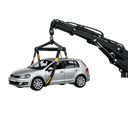
Loading & Unloading
Covers damage during the process of loading and unloading vehicles.
Winching Coverage
Covers damage to vehicles during winching and recovery operations.

Multiple Vehicle
Covers all vehicles on multi-car carriers and rollback flatbeds.
Industries & Insurance Needs in Montgomery
County business mix is the useful local signal here. Montgomery County has 5,575 business establishments, and the largest establishment shares are retail trade at 15.6%, health care and social assistance at 12.1%, and other services except public administration at 11.7%. That matters because these accounts generate the kind of towing work where custody disputes start at busy handoff locations: parking lots, service drives, apartment-adjacent retail, clinics, and repair businesses. If your revenue depends on commercial calls tied to those sectors, review whether your on-hook limit matches the highest value vehicle you might move for a dealer, shop, or property account, and whether your process captures photos, dispatch notes, and signed releases before and after transport. A quote should reflect the mix of private-property impounds, breakdown tows, and account work you actually handle across the county.
What Makes Montgomery Different
Account-driven work drives most of the buying decisions here. In a market shaped by medical campuses, retail properties, service businesses, and apartment-linked parking enforcement, the exposure is often less about extreme haul distance. The real pressure point is frequent custody changes in tight, high-traffic settings. That shifts your review toward how a vehicle is documented at pickup, who authorizes the tow, and where keys and condition notes change hands.
For a local towing company, that means the right discussion is usually about claim defensibility as much as raw limit selection. If you handle property-management work, dealer moves, or calls from repair facilities, review your policy alongside your dispatch workflow, photo requirements, and release procedures. Your coverage should fit the assignments where a damage allegation is most likely to surface after the vehicle is already off your truck.
Our Recommendation for Montgomery
Begin your review with the accounts that generate the most calls and the most disputes. Separate police or municipal work, private-property impounds, roadside tows, dealer moves, and repair-shop transports. Then ask for your quote to be reviewed against the highest-value unit and the most dispute-prone handoff in each group.
If you tow regularly for hospitals, retail centers, apartment operators, or service businesses, tighten your documentation routine before renewal. Timestamped intake photos, wheel and body-condition notes, dispatch authorization, and a consistent release record all matter, because many local claims turn on whether damage happened before hookup, during transport, or after arrival. A deductible that feels manageable on routine calls may be less comfortable on a dealer or late-model customer vehicle. Bring sample invoices, tow tickets, and account agreements into the quote conversation so coverage can be matched to real assignments.
Get On-Hook Towing Insurance in Montgomery
Enter your ZIP code to compare on-hook towing insurance rates from carriers in Montgomery, AL.
Business insurance starting at $25/mo
FAQ
Frequently Asked Questions
Towing companies often need a closer review when they handle apartment, hospital, retail, dealer, or repair-shop calls. Those assignments involve multiple handoffs and authorization questions that can lead to a damage dispute after delivery.
Montgomery County has 5,575 business establishments, with retail trade at 15.6%, health care and social assistance at 12.1%, and other services at 11.7%. That concentration means a significant share of your calls likely originate in commercial lots where documentation needs to be tighter.
Operators should still review limits carefully, because short urban tows can produce the same custody and damage allegations as longer hauls. This is especially true when vehicles move through crowded parking areas and multiple handoff points.
Buyers should compare quotes against the vehicles they actually move. A typical customer car here is often a primary household vehicle, which means even moderate damage or downtime disputes can become urgent and expensive to resolve.
Compare quotes using the same truck schedule, service mix, driver list, and requested limit each time. Review policy forms, exclusions, and complaint procedures so you are comparing terms, not just premium. Complaint procedures are the steps a carrier requires you to follow if you disagree with how a claim was handled. Knowing those steps before you buy matters because missing a deadline or skipping a required form can limit your ability to challenge a denial later.
Towing companies should review limits whenever the vehicles you move or the jobs you accept change materially. Dealer transfers, impounds, and post-collision pickups can raise the severity of a disputed damage claim, so an older limit may no longer fit your current exposure.
Claims get harder to defend when intake photos are inconsistent, pre-existing damage is not documented, or the complaint appears after delivery. Weather and roadway conditions can also complicate the claim narrative, which makes timestamped records and clear driver notes more important.
Roadside assistance businesses should review it if your work includes taking custody of customer vehicles during towing or transport. Even occasional towing can create a damage dispute, especially if your invoices say roadside service but the field work includes vehicle movement.
Sources
- 1.U.S. Census Bureau, ACS 5-Year Estimates, table B19013(Montgomery median household income is $55,687.)
- 2.U.S. Census Bureau, County Business Patterns, Montgomery County(Montgomery County has 5,575 business establishments, and the largest establishment shares are retail trade at 15.6%, health care and social assistance at 12.1%, and other services except public administration at 11.7%.)
Updated July 16, 2026