Updated July 16, 2026

Builders Risk Insurance in Juneau
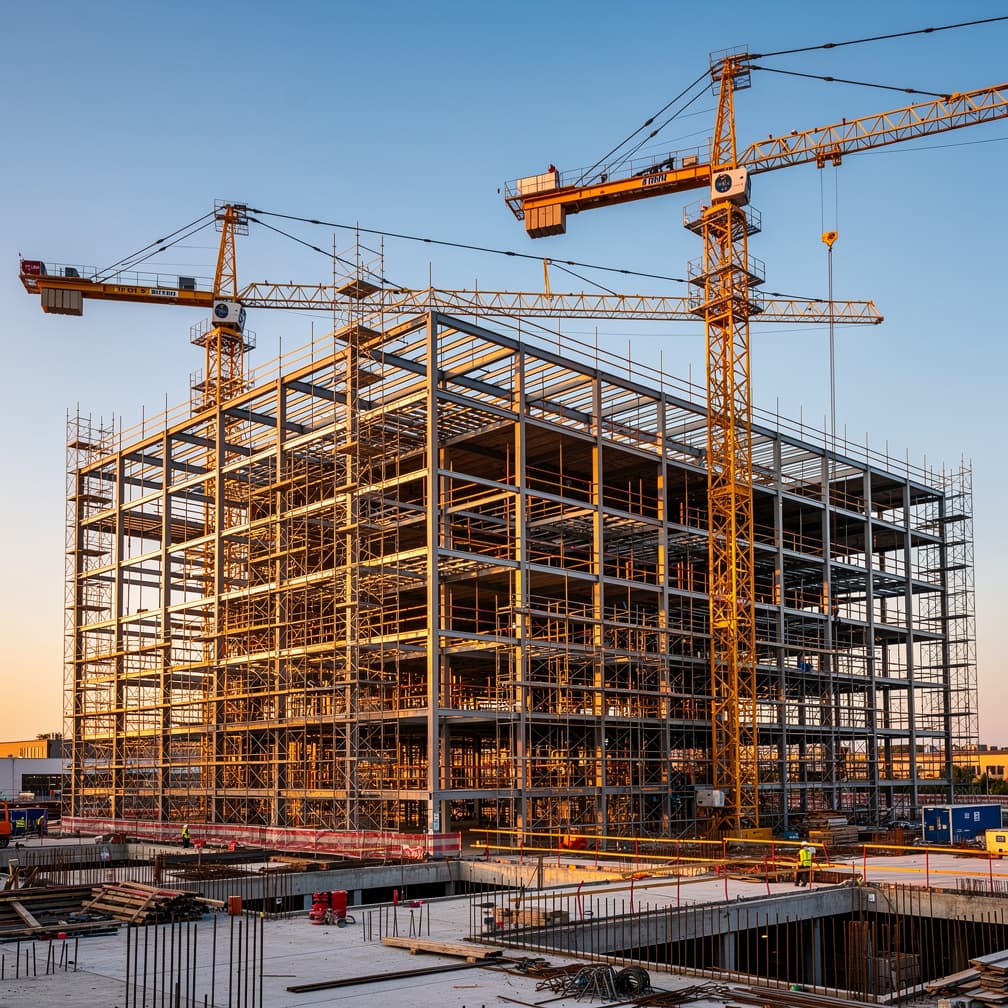
Builders risk insurance in Juneau starts with a variable you cannot see on a site plan: access. A project can sit technically close to town and still be hard to resupply, re-sequence, or secure once materials arrive. That access gap means a standard form may leave you exposed on exactly the items that take longest to replace. You are not just insuring a structure under construction. You are reviewing how the form treats materials in transit, temporary storage, theft-sensitive items waiting for installation, and delay pressure after a covered loss. Local residential values raise the stakes further. With Juneau's median home value at $432,500, a custom build or high-finish remodel can put meaningful property in place before handoff, which means even a partial loss could outpace a thin policy limit. Valuation, soft cost options, and reporting accuracy deserve real attention rather than a quick certificate request. If you are financing the work, ask your agent to match named insureds and loss payee language to the contract before the first draw. If you are the owner-builder or GC, line up a schedule of values, delivery timing, and storage details before requesting quotes.
Builders Risk Insurance Risk Factors in Juneau
Local risk here is less about a unique city-only peril and more about what happens after a covered loss interrupts the job. Access constraints can leave framing packages, windows, mechanical equipment, or finish materials sitting longer before installation, and that creates more room for theft, weather contact, or handling damage if the policy terms are too narrow. Review whether your form addresses property at the job site, in temporary storage, and while in transit, because those are separate pressure points on many projects. For renovation work, be precise about what is existing structure and what is new work, especially if the building stays partially occupied. You should also ask how the policy handles debris removal, temporary protection, and **soft costs** after a covered event. Those details matter most on jobs where a short interruption can push multiple trades off sequence. Before binding coverage, walk the site logistics with your agent the same way you would walk the construction schedule.
Alaska has a moderate climate risk rating. Top hazards: Earthquake (Very High), Wildfire (High), Avalanche (High), Tsunami (Moderate). The state's expected annual loss from natural hazards is $280M, which influences builders risk insurance premiums and may affect coverage availability in high-risk areas.
What Builders Risk Insurance Covers
In Alaska, the most important coverage review usually sits in the gray areas around the project rather than in the basic description of the building itself. That means whether materials arrive by barge or truck, whether they sit offloaded before installation, whether a remodel leaves part of an occupied structure exposed, and whether temporary protection is in place during pauses between trades. Those details often decide whether a loss stays manageable or becomes a schedule problem.
For a new build, review how the policy treats materials before they are installed, temporary structures used to support the work, and equipment or supplies that may be staged away from the main footprint. For an addition or major renovation, ask how the policy coordinates with the existing property coverage so there is no confusion if damage affects both old and new construction. If the project depends on custom components or long lead-time items, make sure the insurer understands that replacement may not follow a normal timeline.
The right conversation is less about broad assumptions and more about named causes of loss, exclusions, waiting periods, and any conditions tied to site protection. If your project is in a harder-to-access area, ask how debris removal, soft cost options, and delay-related exposures are handled. Those are the places where a builders risk policy can either support the project after a loss or leave you negotiating around gaps.
Coverage Included

Structure Coverage
Covers the building or structure under construction.
Materials on Site
Covers building materials stored at the construction site.

Materials in Transit
Covers materials being transported to the job site.
Temporary Structures
Covers scaffolding, fencing, and temporary buildings.

Soft Costs
Covers additional expenses from construction delays due to covered losses.
Equipment Coverage
Covers permanently installed fixtures and equipment.
Industries & Insurance Needs in Juneau
County contracting volume is the local business signal worth paying attention to. In Juneau City and Borough, there are 1,128 business establishments, and construction accounts for 11% of establishments. That does not set a universal premium by itself, but it does mean lenders, owners, and upstream partners are used to formal insurance requirements and cleaner documentation before work starts. If your project involves multiple subcontractors, owner-furnished materials, or phased turnover, expect more scrutiny around who is responsible for insuring what property at each stage. The county mix also includes retail trade at 11.7% and health care and social assistance at 11.3%, which points to tenant improvements, occupied-building renovations, and projects where business interruption concerns can shape contract terms even when the builders risk form is focused on direct physical loss. Bring the contract, draw schedule, and material responsibility chart into the quote process so coverage follows the job instead of forcing the job to fit a generic form.
What Makes Juneau Different
Access is the factor that changes the calculus most. In many markets, a claim is mainly a property loss question. Here it quickly becomes a sequencing question: what was damaged, where replacement materials are located, how long the site sits exposed, and which trades get pushed off schedule while you wait. A local buyer should spend less time chasing a bare minimum certificate and more time checking the mechanics of the form. Ask whether the policy tracks completed value or only current work in place, whether temporary storage is scheduled correctly, and whether owner-supplied items are included or excluded. On residential projects, Juneau's median household income of $100,513 reflects a market where owners are often investing heavily in additions, rebuilds, and finish selections, so a gap between reported and actual values can turn a routine claim into a six-figure shortfall. Underreporting values can create a painful gap at the worst point in the job. The practical move is to build the quote around the actual flow of materials and money, not just the address and contract sum.
Our Recommendation for Juneau
Your construction contract is where the quoting process should begin, because it spells out who must carry the policy, who is responsible for deductibles, and whether lenders or owners need to be added with specific wording. Once those obligations are clear, you can map the property exposure in plain terms: materials at the site, materials stored off site, items in transit, temporary structures, and any existing building affected by renovation work. Long-lead components deserve their own conversation about valuation and documentation before they arrive, since reordering a custom window or steel package can stall a job for months. For remodels, separating the value of new work from the value of the existing structure helps prevent disputes after a loss. Review soft cost needs carefully if a covered event would affect loan interest, architect fees, permit reissuance, or carrying costs. Because every draw request and delivery changes what is at risk, your records should track invoices, delivery receipts, and schedule-of-values updates from the first draw onward.
Get Builders Risk Insurance in Juneau
Enter your ZIP code to compare builders risk insurance rates from carriers in Juneau, AK.
Business insurance starting at $25/mo
FAQ
Frequently Asked Questions
Projects here should be quoted with the contract sum, schedule of values, delivery timing, storage locations, and any lender requirements. Local access and sequencing issues can turn a small property loss into a longer delay, so those operational details matter at the start.
Renovation jobs usually need clearer separation between existing structure and new work. If the building stays occupied or operations continue during construction, ask your agent to review how the form treats that setup before binding coverage.
Construction makes up 11% of the 1,128 business establishments in the City and Borough, meaning lenders and owners here see enough project volume to expect formal insurance documentation and clearly assigned property responsibilities before work begins.
Residential projects can involve meaningful values in place before completion. With median home value at $432,500, a standard policy limit can fall short of actual finish costs if completed value, finish allowances, and owner-supplied materials are not reviewed carefully.
Homeowners should treat a certificate as proof of placement, not proof that the form fits the project. With median household income at $100,513, many households are funding substantial improvements where a valuation error or missing soft cost option could leave them paying out of pocket for months of delay.
Builders risk in the state is regulated by the Alaska Division of Insurance. You can verify a carrier or producer license through their office and review the forms and endorsements being offered against Alaska-specific requirements.
Remote projects often deserve a closer builders risk review because access, storage, and replacement timing can magnify a covered loss. If materials or labor are hard to replace quickly, ask for those logistics to be reflected in the quote.
Material storage should be disclosed before binding, especially if items are staged off site or held before installation. The key step is to identify every storage location and ask how the policy treats property at each point.
Sources
- 1.U.S. Census Bureau, ACS 5-Year Estimates, table B25077(With Juneau median home value at $432,500, a custom build, major addition, or high-finish remodel can put a meaningful amount of property in place before the job is ready for handoff.)
- 2.U.S. Census Bureau, County Business Patterns, Juneau City and Borough(In Juneau City and Borough, there are 1,128 business establishments, and construction accounts for 11% of establishments.; The county mix also includes retail trade at 11.7% and health care and social assistance at 11.3%.)
- 3.U.S. Census Bureau, ACS 5-Year Estimates, table B19013(Juneau's median household income of $100,513 suggests many owners are making substantial investments in additions, rebuilds, and finish selections.)
Updated July 16, 2026