







































Updated July 16, 2026

Butcher Shop Insurance in Arizona
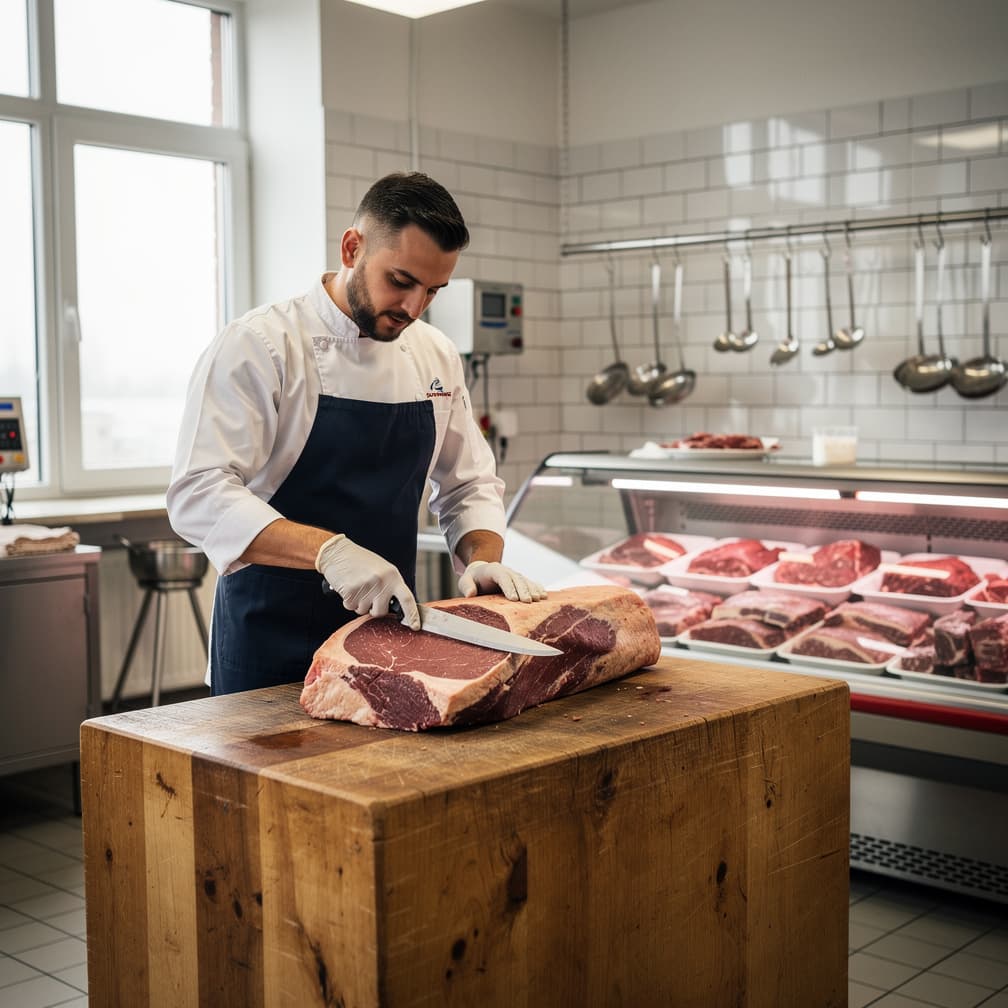
A hand injury in the cutting room can stop production before the case is fully stocked, especially when one employee is trimming primals, wrapping orders, and moving boxed product from the walk-in at the same time. The right insurance changes that day from a scramble over medical bills, damaged stock, and lost selling time into a claim you can report and document while the shop keeps operating. Your insurance should fit how your store actually runs day to day. That includes the way you handle perishables, the tools you rely on, customer flow at the counter, how you receive deliveries, and the cleanup that can leave floors slick during business hours. If you have even one employee, workers compensation insurance may be required. A business owners policy can make sense for a smaller storefront, but you still need to check whether your limits fit your inventory values and the pace of daily product turnover. Before you request quotes, map out your workflow, your equipment, and any off-site selling you do so the review stays grounded in your actual operations.
Climate Risk Profile
Natural Disaster Risk in Arizona
Understanding climate-related risks helps determine appropriate insurance coverage levels.
Extreme Heat
Very High
Wildfire
High
Dust Storm
High
Flash Flooding
Moderate
Expected Annual Loss from Natural Hazards
$680M
estimated economic loss per year across Arizona
Source: FEMA National Risk Index
How Much Does Butcher Shop Insurance Cost in Arizona?
Butcher Shop Insurance is a bundle of separate policies, priced separately. The ranges below are typical figures for Arizona for each line, except workers compensation, which is rated per $100 of payroll; a quote prices each one against your own operations.
| Coverage | Typical range | What moves your price |
|---|---|---|
| General Liability Insurance | $65 - $210 per month | Industry and risk classification, annual revenue, number of employees |
| Commercial Property Insurance | $120 - $420 per month | Building value and construction type, roof age and condition, fire protection class |
| Workers Compensation Insurance | $0.75 - $2.74 per $100 of payroll | Employee classification codes, total annual payroll, experience modification rate |
| Business Owners Policy Insurance | $110 - $360 per month | Annual revenue and industry class, building and contents values, square footage and building age |
Prices shown are general estimates, not guaranteed rates or quotes. Your actual premium will depend on the insurer, coverage selected, business details, location, claims history, and other underwriting factors. Learn about our pricing methodology.
Coverage Considerations in Arizona
- Workers compensation deserves early attention in your shop. The work involves sharp tools, slick floors, and heavy lifting, and the state requirement can start once you have one employee.
- Commercial property insurance should account for your refrigerated cases, wrapping equipment, scales, and tenant improvements. A single equipment problem can interrupt both inventory storage and daily sales.
- General liability insurance matters for shops with a steady customer line at the service counter. Tight aisles, wet entry areas, and frequent pickups can increase third-party injury exposure.
- A business owners policy can work for a smaller storefront, but you should still confirm that the property and liability portions fit your equipment values and lease obligations.
Common Claims for Butcher Shop Businesses in Arizona
During a busy delivery morning, an employee carries boxed meat from the rear entrance to the walk-in, slips on melted ice or washdown residue, and suffers an injury that pulls a key worker off the schedule during peak prep hours.
A power interruption or equipment failure leaves a display case or walk-in above safe holding temperature. The shop has to discard perishable stock, pause sales, and document the loss before restocking.
At an off-site market, a temporary setup fails or product handling is disrupted during transport. That can mean spoiled inventory, lost event sales, and questions about how the operation was scheduled and insured.
Get Your Butcher Shop Insurance Quote in Arizona
Compare rates from multiple carriers. Free quotes, no obligation.
Preparing for Your Butcher Shop Insurance Quote in Arizona
Count your employees and list each person's role, including cutting, unloading deliveries, cleaning, counter work, and driving product to off-site locations.
List your refrigerated equipment and other shop fixtures. This gives the property review an accurate picture of what would need repair or replacement after a loss.
Gather your lease insurance requirements, landlord requests, and any event or market organizer requirements before quoting. Those documents often determine the limits and proof-of-coverage forms you need.
Outline how you sell, including storefront traffic, custom orders, delivery activity, and off-site markets. The quote should reflect where product moves and where customer interactions happen.
Operating a Butcher Shop Business in Arizona
- Arizona heat puts real pressure on your cold chain. When product moves between a delivery van, a walk-in, prep tables, and display cases, any handling gap can mean spoiled inventory and lost same-day sales.
- A neighborhood meat market often blends retail counter service with custom cuts, special orders, and back-room breakdown work. That combination puts customer-facing liability and property exposure under one roof.
- Farmers market sales and pop-up events shift your insurance review. Product leaves the main premises, temporary setups create different handling routines, and event organizers may want proof of coverage before you can sell.
- Small butcher shops often run lean. Losing one person during a shift can ripple across receiving, prep, sanitation, and front-counter service all at once.
What Happens Without Proper Coverage?
Butcher shops face losses that stack on top of each other. A customer slips near the entrance during a rainy delivery morning, and now you are dealing with a third-party injury claim, possible legal defense costs, and time pulled away from the counter. A small fire or electrical issue in the prep area can damage the building, interrupt refrigeration, and force you to discard inventory before you can reopen. Even a break-in that seems limited to stolen cash or damaged glass can leave you unable to trade normally until repairs are finished.
The trade also has a concentrated equipment problem. If a grinder, slicer, scale, or refrigerated display case goes down, the issue is not just repair cost. You may lose product, cancel orders, shorten store hours, or stop production in the cutting room while waiting on service. For a shop that depends on daily freshness and visible stock in the case, downtime can affect both immediate revenue and customer retention. That is why property coverage should be reviewed alongside how long your operation could function with partial equipment failure.
Workers compensation insurance matters because butcher shop injuries are rarely theoretical. Knife cuts, strains from lifting boxed meat, repetitive hand motion, and slips during washdown can all take an employee off the schedule. If a key cutter is out, the business impact can spread beyond the medical claim itself. Production slows, service times lengthen, and owners often step back into physical work they no longer do every day. A quote should reflect the actual tasks your staff performs, not a simplified retail description.
Liability pressure also changes as the business grows. A single neighborhood shop may mainly worry about walk-in traffic and leased space obligations. Add catering pickups, farmers market booths, or a second location, and you create more points where property, people, and product move outside the original setup. Each change is manageable, but only if the policy review keeps pace with the operation.
You also may need insurance because landlords, lenders, or business partners ask for proof of coverage before a lease is finalized, equipment is financed, or a vendor relationship begins. If that request comes late, you end up shopping under time pressure. It is usually better to gather your lease terms, equipment details, and payroll information early, then compare quotes based on how your shop actually runs.
Recommended Coverage for Butcher Shop Businesses
Based on the risks and requirements above, butcher shop businesses need these coverage types in Arizona:

General Liability
Essential coverage for every business, protect against third-party bodily injury, property damage, and advertising claims.

Commercial Property
Safeguard your business property, equipment, and inventory against damage and loss.

Workers Compensation
Help cover your employees' medical expenses and lost wages for work-related injuries and illnesses.

Business Owners Policy
Bundle property and liability coverage into one convenient, cost-effective policy for small businesses.
Butcher Shop Insurance by City in Arizona
Insurance needs and pricing for butcher shop businesses can vary across Arizona. Find coverage information for your city:
Insurance Tips for Butcher Shop Owners
List every major piece of cutting, grinding, weighing, wrapping, and refrigeration equipment on your quote worksheet so property values are based on your actual shop floor, not a rough retail assumption.
Separate your building responsibility from your landlord's responsibility before buying coverage, because walls, improvements, glass, signage, and mechanical systems are often assigned differently in the lease.
Describe how you handle perishable stock during receiving, storage, display, and overnight holding, since inventory concentration and refrigeration dependence can change how you review property limits.
Break out employee duties between meat cutting, counter service, cleanup, delivery, and management work, because workers compensation pricing and classification depend on what people actually do each day.
Ask whether a business owners policy fits your operation, then compare it against separate liability and property options if you have unusual equipment, multiple locations, or heavier stock values.
Review your busiest sales periods and special order workflow before setting limits, because a closure before a holiday weekend can create a much larger interruption than an ordinary weekday shutdown.
If you sell at farmers markets or temporary events, mention that upfront so the quote reflects off-site selling activity instead of assuming every sale happens inside your permanent shop.
Read the deductible choices against your cash flow, because a lower premium can be less helpful if the out of pocket amount would strain the business after equipment damage or a customer claim.
FAQ
Frequently Asked Questions About Butcher Shop Insurance in Arizona
Arizona requires workers compensation coverage for employers with one or more employees, according to the Arizona Department of Insurance and Financial Institutions. Sole proprietors, partners, working members of LLCs, and casual workers may be exempt, so it is worth clarifying your staffing setup before you quote.
The Arizona Department of Insurance and Financial Institutions regulates business insurance in the state. When you compare coverage options, keep your policy documents and correspondence organized so you can review terms and ask questions clearly.
Quote the operation as one business with multiple selling activities. That helps you review where inventory travels, how temporary setups are handled, and whether liability and property exposures change away from the main premises.
Revisit your equipment values and workflow before renewal. If you added a new case, slicer, saw, or walk-in component, your property limits and business owners policy structure may need adjusting.
Arizona butcher shops with a smaller storefront often compare a business owners policy option first because it can package core property and liability coverage. You still need to check whether the policy fits your inventory values, equipment concentration, and daily handling routines.
General liability, commercial property, and workers compensation coverage form the usual core, sometimes packaged as a business owners policy. The right mix depends on your equipment, refrigerated inventory, employee duties, lease terms, and whether you sell only in-store or also at events.
Almost always worth carrying, because customers move through wet entry areas, service counters, and pickup spaces every day. This is the policy to examine for third party injury, property damage, and the legal defense costs that follow a counter-area claim.
The review centers on the building, tenant improvements, fixtures, cutting equipment, display cases, and refrigerated stock. Make sure values reflect your actual operation, especially where a refrigeration problem could damage both equipment and inventory at once.
Sources
- 1.Arizona Department of Insurance and Financial Institutions(Arizona business insurance is regulated by the Arizona Department of Insurance and Financial Institutions.; Arizona requires workers compensation coverage for employers with one or more employees, with exemptions for sole proprietors, partners, working members of LLCs, and casual workers.)
Updated July 16, 2026