







































Updated July 10, 2026

Pawn Shop Insurance in Arizona
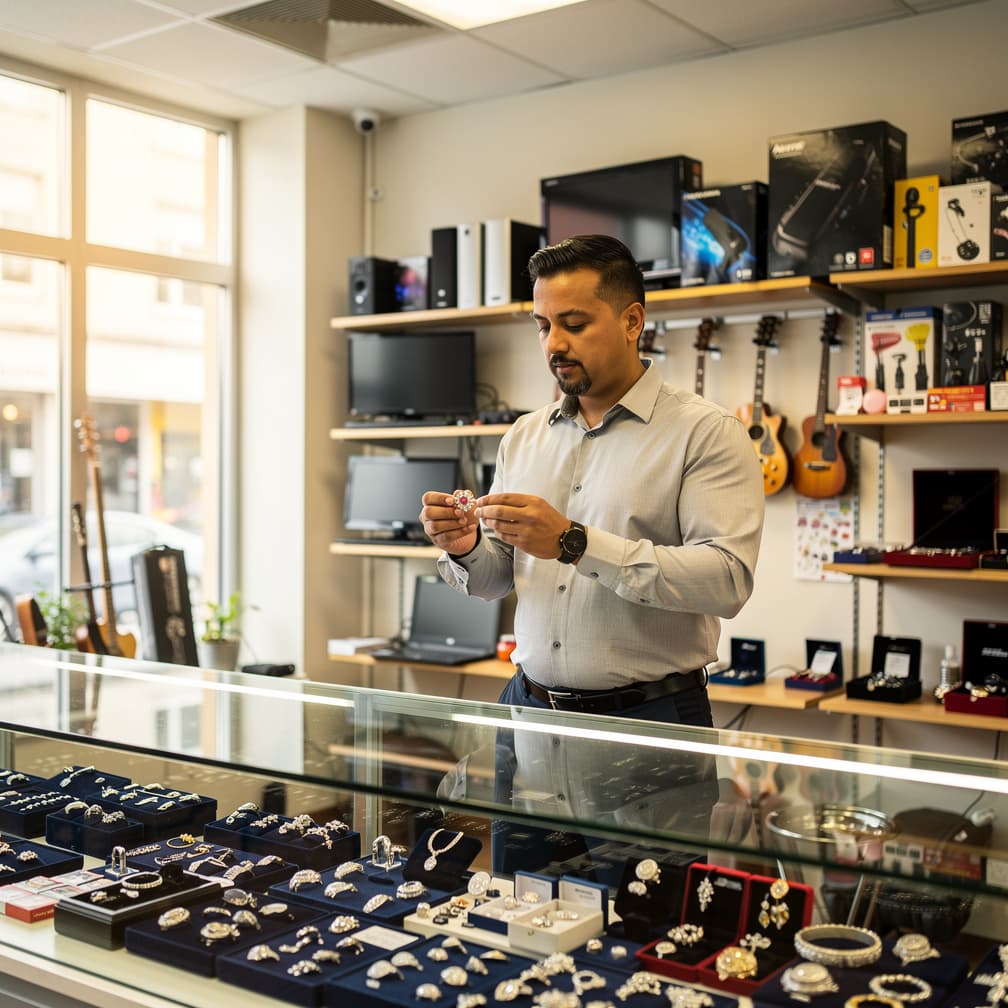
A Pawn Shop Insurance quote in Arizona should reflect how this business actually operates: cash on hand, high-value collateral, customer traffic, and inventory that can shift daily between the sales floor and secured storage. In Phoenix, Tucson, Mesa, and other urban retail areas, a pawn shop may need protection that responds to storefront risk, customer injury, theft, and property damage without forcing a one-size-fits-all package. Arizona’s extreme heat, wildfire exposure, dust storms, and flash flooding can all affect building damage and business interruption planning, especially for shops in strip malls, shopping districts, or main street locations. If you handle jewelry, electronics, tools, or other secondhand goods, your quote should also account for bailee coverage for pawn shops, pawn shop liability insurance, and pawn shop property insurance in a way that matches your inventory levels and cash-handling practices. The goal is to request coverage that fits your location, lease, and operating style before you compare options.
Climate Risk Profile
Natural Disaster Risk in Arizona
Understanding climate-related risks helps determine appropriate insurance coverage levels.
Extreme Heat
Very High
Wildfire
High
Dust Storm
High
Flash Flooding
Moderate
Expected Annual Loss from Natural Hazards
$680M
estimated economic loss per year across Arizona
Source: FEMA National Risk Index
Risk Factors for Pawn Shop Businesses in Arizona
- Arizona extreme heat can raise building damage and business interruption concerns for pawn shops that rely on secure storefronts, safes, and climate-sensitive inventory storage.
- Wildfire conditions in Arizona can create property damage and business interruption exposure for secondhand goods retailers with storefronts, back-room storage, and high-value merchandise.
- Dust storms and flash flooding in Arizona can contribute to property damage, building damage, and temporary closures for pawn shops in shopping districts, strip malls, and urban retail areas.
- Arizona pawn shops face theft and robbery exposure tied to cash handling, jewelry, electronics, and other collateral-heavy inventory, making liability coverage and robbery-focused property protection especially important.
- Slip and fall and customer injury claims can be more likely in Arizona storefronts with heavy foot traffic, entry mats, display aisles, and crowded counters during busy trading hours.
How Arizona compares with the national baseline
Property crime per 100,000 residents
2,940 vs 2,200 baseline
Property crime in Arizona runs above the national average, at 2,940 vs 2,200 incidents per 100,000 residents.
Blue bar: Arizona. Gray line: national baseline.
How Much Does Pawn Shop Insurance Cost in Arizona?
Pawn Shop Insurance is a bundle of separate policies, priced separately. The ranges below are typical figures for Arizona for each line, except workers compensation, which is rated per $100 of payroll; a quote prices each one against your own operations.
| Coverage | Typical range | What moves your price |
|---|---|---|
| General Liability Insurance | $90 - $290 per month | Industry and risk classification, annual revenue, number of employees |
| Commercial Property Insurance | $200 - $725 per month | Building value and construction type, roof age and condition, fire protection class |
| Workers Compensation Insurance | $0.75 - $2.74 per $100 of payroll | Employee classification codes, total annual payroll, experience modification rate |
| Business Owners Policy Insurance | $170 - $550 per month | Annual revenue and industry class, building and contents values, square footage and building age |
Prices shown are general estimates, not guaranteed rates or quotes. Your actual premium will depend on the insurer, coverage selected, business details, location, claims history, and other underwriting factors. Learn about our pricing methodology.
What Arizona Requires for Pawn Shop Insurance
Non-compliance can result in fines, loss of contracts, and personal liability:
- Workers' compensation is required in Arizona for businesses with 1 or more employees, with exemptions for sole proprietors, partners, working members of LLCs, and casual workers.
- Arizona businesses often need proof of general liability coverage for most commercial leases, so pawn shops may need a certificate of insurance before signing or renewing a location.
- Arizona commercial auto minimum liability limits are $25,000/$50,000/$15,000 if a pawn shop uses vehicles for business purposes and needs to insure them separately.
- Arizona pawn shops should be prepared to document property values, inventory handling, and cash security practices when requesting a quote, especially for higher-value jewelry and electronics.
- Buyers in Arizona should confirm whether a quote can be structured with property coverage, liability coverage, and bundled coverage through a business owners policy for a small business storefront.
- If a pawn shop has employees in Arizona, the quote process should account for workers' compensation requirements and any store-specific safety procedures tied to customer traffic and inventory handling.
| Requirement | What Arizona law says |
|---|---|
| Auto liability minimums | $25,000/$50,000/$15,000 (bodily injury per person / per accident / property damage). These floors apply to personal and business vehicles alike; lenders and contracts often require more. |
| Workers compensation | Generally required once you have your first employee. Some roles are exempt, so confirm current thresholds before you hire. |
| Where to verify | Arizona Department of Insurance and Financial Institutions publishes current requirements, consumer guides, and license lookups. |
Get Your Pawn Shop Insurance Quote in Arizona
Compare rates from multiple carriers. Free quotes, no obligation.
Common Claims for Pawn Shop Businesses in Arizona
A customer slips near the counter during a busy afternoon in a Phoenix-area strip mall, leading to a liability claim for customer injury and legal defense.
A wildfire-related closure interrupts operations for a pawn shop in Arizona, affecting business interruption, inventory access, and building damage repairs.
A theft or robbery incident targets cash, jewelry, or electronics in a Tucson or Mesa storefront, creating a need to review pawn shop robbery coverage and property coverage.
Preparing for Your Pawn Shop Insurance Quote in Arizona
Store location details, including whether the shop is in a shopping district, strip mall, downtown area, or main street retail corridor.
A summary of inventory types and values, especially jewelry, electronics, tools, and other secondhand goods handled through pawn broker operations.
Information about cash handling, security practices, and any exposure to theft, vandalism, or robbery.
Employee count and lease requirements so the quote can reflect workers' compensation, proof of coverage, and any bundled coverage options.
Coverage Considerations in Arizona
- General liability insurance for bodily injury, property damage, slip and fall, and other third-party claims tied to customer visits.
- Commercial property insurance for building damage, fire risk, theft, vandalism, storm damage, and equipment protection.
- Bailee coverage for pawn shops to help address customer property and pledged inventory while items are in the shop’s care.
- A business owners policy for a small business that wants bundled coverage for liability coverage, property coverage, and business interruption.
What Happens Without Proper Coverage?
Severity is the reason this class gets its own underwriting attention. A pawn shop is a known concentration of jewelry, electronics, tools, and cash, which makes it a target in a way a card shop never is. A single break-in can empty a showcase, damage the storefront, and disable the security system at once, and the recovery bill includes repairs, replacement stock, and the sales lost while the shop is dark and the cases are being rebuilt.
Customer property turns ordinary losses into relationship problems. When a fire or theft touches goods a customer expects to redeem, you are managing their loss as well as your own, and the dispute that follows can outlast the cleanup. That is why the intake, tagging, and storage detail you bring to the quote process matters so much: the policy response turns on how well the paperwork matches what was actually in the shop.
There is also a quieter operational exposure. Counter staff test electronics, clean jewelry, and carry heavy items to storage, so a damaged customer watch or an employee back strain can each generate a claim without anything dramatic happening. Days lost to an injured employee hit a small crew hard, especially when one person handles most of the intake work.
Outside requirements close the case. Landlords ask for proof of coverage at signing and renewal, and lenders or contract partners may require evidence that property and liability exposures are addressed before financing or expansion moves forward. Line up your lease, payroll records, equipment list, and a current inventory summary first, so the quotes you compare are answering the right questions.
Recommended Coverage for Pawn Shop Businesses
Based on the risks and requirements above, pawn shop businesses need these coverage types in Arizona:

General Liability
Essential coverage for every business, protect against third-party bodily injury, property damage, and advertising claims.

Commercial Property
Safeguard your business property, equipment, and inventory against damage and loss.

Workers Compensation
Help cover your employees' medical expenses and lost wages for work-related injuries and illnesses.

Business Owners Policy
Bundle property and liability coverage into one convenient, cost-effective policy for small businesses.
Pawn Shop Insurance by City in Arizona
Insurance needs and pricing for pawn shop businesses can vary across Arizona. Find coverage information for your city:
Insurance Tips for Pawn Shop Owners
Separate customer property, resale inventory, and business personal property in your internal records so your quote review can test whether each category is valued and stored appropriately.
Walk the store from front door to stock room before renewing, noting trip hazards, crowded aisles, showcase placement, and employee lifting tasks that could drive both liability and workers' compensation concerns.
Review your lease carefully to see whether you or the landlord insure the building, interior improvements, glass, signage, and any damage obligations that shift back to the tenant after a loss.
Ask for limits to be discussed around peak inventory periods, not just average days, especially if jewelry, electronics, tools, or collectibles can accumulate in safes or storage areas.
Document how cash is handled, where it is stored, who has access, and how deposits are made, because those operational details often matter as much as the amount kept on site.
If you operate more than one location, map how merchandise moves between stores so your insurance review reflects transit, temporary storage, and differences in foot traffic or neighborhood exposure.
Match employee job duties to payroll classifications as accurately as possible, since counter sales, intake handling, storage work, and light repair tasks do not present the same injury pattern.
FAQ
Frequently Asked Questions About Pawn Shop Insurance in Arizona
Coverage can vary, but Arizona pawn shops commonly look for property coverage, liability coverage, bailee coverage for pawn shops, and protection tied to theft, robbery, building damage, and business interruption. The exact mix depends on how you store customer property, cash, and resale inventory.
Most shops start by reviewing general liability insurance, commercial property insurance, and, if they have employees, workers' compensation. Many also ask about a business owners policy and bailee coverage for pawn shops when customer property and inventory are part of daily operations.
Pricing varies based on location, inventory value, security measures, employee count, lease requirements, and whether you need bundled coverage. A single storefront and a multi-location operation may receive very different quotes.
It can, but not every quote includes the same protections. Ask whether the proposal addresses pawn shop robbery coverage, pawn shop property insurance, and bailee coverage for pawn shops so you can compare the details side by side.
Yes. A quote can usually be shaped around secondhand goods retailer insurance needs, pawn broker operations, and the way your shop handles jewelry, electronics, tools, cash, and customer property. The more detail you provide, the better the quote can match your store.
The standard stack is general liability, commercial property, workers' compensation, and often a business owners policy tying the first two together. Where each shop lands depends on its storefront setup, employee duties, foot traffic, and how it handles customer property, cash, and resale inventory.
It can, but the outcome hinges on how items are received, stored, documented, and released. Bring your intake procedures and storage practices to the quote process so the policy terms can be matched to the way goods actually move through your shop.
Three things set it apart: fast inventory turnover, property that belongs to customers, and meaningful cash on site. Each changes how property values, liability exposure, employee duties, and shutdown risk should be weighed compared with a standard retail store.
Updated March 31, 2026