Updated July 16, 2026

Key Takeaways
- Compare quotes using the same peak inventory value, deductible, and valuation assumptions so you can see real coverage differences.
- Ask in writing how the policy handles hail, flood, theft, vandalism, and test drives before you bind coverage.
- Prepare a current inventory schedule, offsite storage list, and security summary before requesting dealer open lot insurance quotes.
- Review whether flood needs separate placement instead of assuming another policy form includes it automatically.
- Requote after security upgrades, lot layout changes, or improved claims history so pricing reflects your current risk.
Dealer Open Lot Insurance in Arizona
Arizona dealers usually face a practical question before inventory financing, lease negotiations, or wholesale relationships move forward: can you prove your lot exposure is under control? You need to show that your outdoor inventory, overflow storage, vehicle movement between locations, and protections against weather, theft, and after-hours access are being reviewed seriously.
Because Arizona conditions can change the loss pattern on an open lot, a quote works better when it is built from your actual storage layout instead of a generic inventory estimate. You also want your forms, limits, and reporting process checked against state expectations before a lender, landlord, or business partner asks for proof of coverage. To get there, gather your current inventory values, lot addresses, offsite storage details, and any recent changes in fencing, lighting, or transport routines.
What Dealer Open Lot Insurance Covers
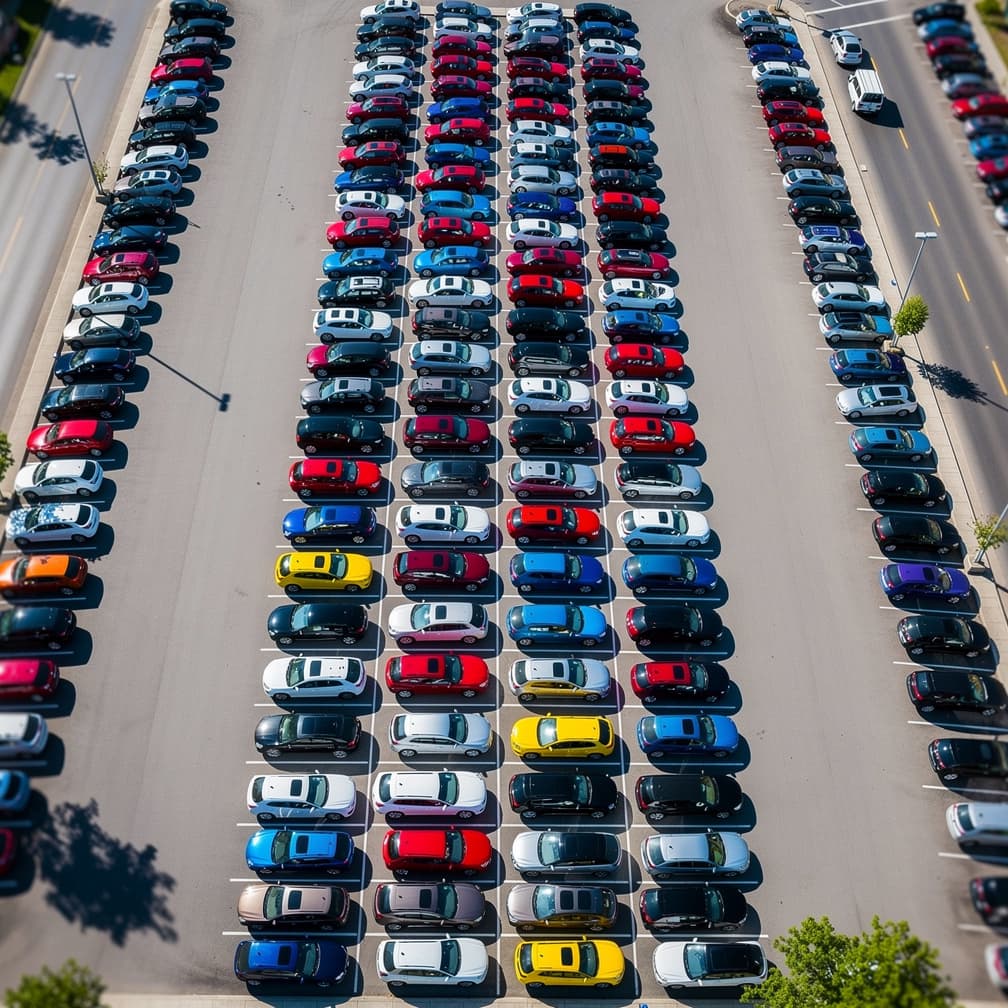
In Arizona, the useful review is not the basic idea of lot coverage. It is how the policy responds to the way your inventory is actually staged across the property. A dealership with front-line display units, overflow rows along the side fence, and a separate reconditioning or holding area creates different exposure points. Your quote should reflect your actual operating routine and the specific layout of your property.
For many Arizona dealers, the first coverage conversation is about where units sit during business hours, after closing, and during temporary movement between addresses. When vehicles are kept at a secondary lot, a repair location, or a nearby storage yard, ask for those locations to be reviewed specifically rather than assumed. Operations that rotate inventory quickly should confirm how newly acquired units are treated before they are added to regular reporting. Dealers holding higher-value vehicles should ask whether any sublimits, valuation method, or security conditions change the way a claim would be adjusted.
Arizona weather and site conditions mean a dealer needs to understand how a policy handles outdoor storage, glass damage, vandalism, theft-related loss, and damage that happens while vehicles are being repositioned on the premises. If customer test drives, dealer trades, or temporary offsite display events are part of your sales process, bring those up early so they are reviewed instead of discovered after a loss. The practical step is to compare your lot diagram, key control process, and movement patterns against the proposed coverage before binding.

Weather Damage
Covers hail, wind, flood, and storm damage to lot inventory.
Theft Protection
Covers vehicles stolen from your lot.
Fire Damage
Covers fire and explosion damage to inventory vehicles.

Vandalism
Covers intentional damage to vehicles on your lot.
Test Drive Coverage
Covers vehicles during customer and employee test drives.
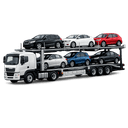
Transit Coverage
Covers vehicles being moved between lot locations.
Dealer Open Lot Insurance Requirements in Arizona
- Arizona dealerships that split inventory between a sales lot and a nearby overflow yard should ask for each location to be reviewed explicitly, because unscheduled storage can lead to disputes or delays when you need a claim paid.
- If your Arizona operation moves vehicles between auction pickups, reconditioning areas, and front-line display, confirm how temporary movement and short-term holding are treated under the proposed form.
- Outdoor inventory layouts in Arizona deserve a close look at fencing, lighting, and key access procedures, because site controls often shape both underwriting questions and claim review.
- Dealers with specialty, collector, or higher-value units in Arizona should review valuation language carefully so the claim settlement method matches the inventory they actually carry.
How Much Does Dealer Open Lot Insurance Cost in Arizona?
In Arizona, dealer open lot insurance pricing usually turns on exposure quality more than a simple vehicle count. High exposure quality means a fenced lot with controlled gate access, working cameras, and organized key storage. Low exposure quality means an open perimeter, no lighting, and keys left in vehicles overnight. The first scenario typically produces better pricing because the underwriter sees fewer ways for a loss to occur, which can mean less money out of your pocket at renewal.
Underwriters want to understand the total value of inventory you hold for sale. They also look closely at how concentrated that value is in one location, whether units are stored entirely outdoors, and how often vehicles move between lots, service areas, auctions, or temporary storage. A compact lot with tight controls can underwrite differently from a larger property with multiple entrances and overflow parking, even if the inventory values look similar on paper.
Your quote can also change based on the mix of vehicles you carry. If your inventory includes older used units with modest values, the pricing discussion may look different than it does for a lot carrying late-model trucks, specialty vehicles, or higher-value recreational units. A higher deductible may reduce premium, but it also changes what a weather or theft loss costs you out of pocket, so it should match your cash flow and tolerance for retained risk.
Arizona-specific conditions affect cost through underwriting judgment rather than a single statewide rate. If your lot is exposed to severe weather, open perimeter access, or inconsistent overnight controls, expect more questions about fencing, lighting, camera coverage, and key management. If you use offsite storage, document it clearly, because unclear location schedules can slow quoting or create disputes later. The best way to get a usable number is to submit current inventory values, all storage addresses, your security details, and any recent loss history at the start, then compare quotes on terms and exclusions, not just premium.
Request a Quote Comparison
Enter your ZIP code to compare dealer open lot insurance rates from top carriers.
Business insurance starting at $25/mo
Who Needs Dealer Open Lot Insurance?
In Arizona, the businesses that need this review most are the ones whose sale inventory spends meaningful time exposed outdoors before delivery. That can include independent auto dealers, franchise operations, powersports sellers, trailer dealers, RV inventory holders, and specialty vehicle businesses. What connects these operations is ownership of titled inventory for resale while that inventory remains vulnerable to lot loss.
State conditions make this especially important for dealers that rely on open-air storage. If your operation uses a main lot plus a secondary yard, or if vehicles are parked in different configurations depending on season, traffic, or reconditioning volume, your exposure is broader than a single address on an application suggests. The same is true if you buy aggressively at auction and hold units temporarily before they are photographed, serviced, or listed. Those transition periods often create reporting and control gaps unless you plan for them.
You should also review dealer open lot coverage if another party expects proof of insurance before doing business with you. Lenders, landlords, flooring sources, and wholesale partners often want evidence that inventory exposure is being addressed in a way that matches your actual operation. Policy review should be handled carefully and documented clearly. If you own vehicles for resale and they sit on a lot, in overflow storage, or at a related location before sale, this coverage may be appropriate for your buying checklist.
Dealer Open Lot Insurance by City in Arizona
Dealer Open Lot Insurance rates and coverage options can vary across Arizona. Select your city below for localized information:
How to Buy Dealer Open Lot Insurance
In Arizona, buying the right policy starts with presenting your dealership the way an underwriter sees it. Think of your operation as a set of locations, values, movement patterns, and controls. Begin with a current inventory schedule and separate vehicles by where they are actually stored. If some units stay on the main lot, some move to overflow storage, and others sit at a service or detail location, list each address and explain how long vehicles typically remain there. That gives the quote a better chance of matching your real exposure.
Next, document how inventory enters and leaves your control. Include auction purchases, dealer trades, transport between lots, temporary offsite display, and customer test-drive routines if those are part of your sales process. Then outline your security measures in practical terms. Describe fencing, gate procedures, lighting, camera placement, key storage, after-hours access, and who can authorize vehicle movement. Underwriters use that information to judge both loss likelihood and claim defensibility.
After that, review the proposed form line by line for Arizona-specific operating issues. Ask how newly acquired units are handled before they are reported, whether offsite storage must be scheduled, how valuation works at the time of loss, and whether any exclusions affect weather, theft, or movement on and off the premises. Before binding, compare quotes by covered locations, deductibles, reporting requirements, and exclusions. To request a quote through our marketplace, submit your inventory schedule and storage details today.
How to Save on Dealer Open Lot Insurance
In Arizona, the most dependable savings usually come from making your lot easier to underwrite, not from stripping down the policy. Start by tightening inventory reporting. If your vehicle list, values, and storage addresses are current, an underwriter spends less time pricing uncertainty into the quote. That matters even more if you use overflow storage or move units frequently between sales, service, and holding areas. Clean records can also make a claim easier to document later.
Security discipline often helps as much as shopping the premium. Review perimeter access, lighting, camera visibility, and key control with the same seriousness you give sales operations. If vehicles can be moved after hours without a clear authorization trail, your risk profile looks worse than it needs to. A lot with defined parking zones, controlled keys, and documented transport procedures is easier to evaluate and may produce better terms than a lot with informal habits.
You can also save by choosing deductibles deliberately instead of automatically. A higher deductible may lower premium, but only if your business can absorb that amount without disrupting operations after a loss. It is usually smarter to balance premium against realistic out-of-pocket capacity than to chase the lowest number on the page. That lets you spot whether a lower premium reflects real efficiency or simply narrower coverage, unscheduled locations, or tougher claim conditions.
Our Recommendation for Arizona
For Arizona dealers, the most important buying move is to treat location detail as a coverage issue, not just an application formality. If inventory sits at more than one address, ask each quoting option to show clearly how those locations are handled. A claim gets harder fast when a vehicle was stored somewhere the underwriter did not fully understand.
Next, review your security story the way a claims adjuster would. Can you show where keys are kept, who had access, when a unit was moved, and whether cameras or gate controls support that timeline? Those details are easier to fix before binding than after a theft or vandalism loss.
You should also match deductibles to your actual operating cash, not to a sales goal for lower premium. If a deductible looks manageable only in a quiet month, it may be too high for a real loss event. That same organized approach to your inventory schedules, lot addresses, photos of storage conditions, and proof of any security upgrades helps you request a cleaner quote, compare terms more accurately, and respond faster if a lender, landlord, or wholesale partner asks for evidence of coverage.
FAQ
Frequently Asked Questions
Arizona dealers that own vehicles for resale and keep them exposed on a lot should review dealer open lot coverage as part of their core insurance plan. Read your policy terms carefully so you understand what proof of coverage you are handing a lender or landlord.
Arizona policies may handle secondary storage differently, so you should list every lot, yard, and related address during quoting. If a vehicle sits at an overflow location that was not clearly reviewed, coverage disputes can become harder to resolve after a loss.
Arizona dealers usually get a better quote by submitting a current inventory schedule, all storage addresses, and clear security details at the start. That gives the underwriter a usable picture of outdoor exposure, vehicle movement, and after-hours controls.
Arizona insurers commonly want inventory values, lot locations, offsite storage details, and an explanation of how vehicles are secured and moved. If your operation uses overflow storage or frequent transfers, include that early so the quote reflects your actual exposure.
Arizona RV and trailer dealers often need the same kind of inventory review if units are owned for resale and stored outdoors. The key issue is how values, locations, and movement patterns are presented, not whether the inventory is limited to passenger vehicles.
Arizona offsite storage changes the risk the insurer is evaluating, especially if vehicles rotate between addresses. Disclosing those locations up front helps the quote match your operation and reduces the chance of a claim dispute tied to where a unit was parked.
Arizona insurance regulation is overseen by the Arizona Department of Insurance and Financial Institutions. If you ever have a dispute with a carrier over a claim or policy form, that is the agency you would turn to for recourse.
Dealer open lot insurance nationwide is generally reviewed for damage or loss to vehicles you own for sale, including hail, wind, theft, vandalism, fire, flood, and test drive exposure, depending on your policy terms, deductibles, valuation method, and any location or off-premises limitations.
Sources
- 1.Arizona Department of Insurance and Financial Institutions(Arizona insurance regulation is overseen by the Arizona Department of Insurance and Financial Institutions.)
Updated July 16, 2026