Updated July 16, 2026

Key Takeaways
- List every way customer vehicles enter, move through, and stay on your premises before you request a garage keepers quote.
- Compare collision losses against theft, fire, vandalism, and weather losses so your quote matches your actual custody exposure.
- Ask how customer vehicles are valued after a loss, especially if you handle newer, specialty, or recently upgraded vehicles.
- Review key control, intake photos, lot security, and employee driving rules before renewal to improve both pricing and claim defensibility.
- Request side-by-side quotes with the same limits, deductibles, and storage assumptions so you can spot real coverage differences.
Garage Keepers Insurance in Arizona
Landlords, commercial clients, and lenders in Arizona often ask to see proof that you carry the right coverage before they hand over keys, approve a lease, or finance equipment tied to your shop. They usually expect a certificate that matches how customer vehicles are actually stored, moved, and secured at your location. If you run a repair shop, body shop, detail operation, towing yard, or service department that holds vehicles overnight, this coverage becomes a practical buying issue.
Operations across the state also need to think through where vehicles sit during the day, what happens after hours, and how weather and lot conditions can change the loss picture from one property to the next. A quote works better when it reflects your real workflow. Indoor bays versus open storage, fenced lots versus shared parking, key control, employee access, and whether vehicles are waiting on parts for days instead of hours all matter. Before you request terms, gather your lease requirements, your customer vehicle count at peak times, and a clear description of where each vehicle is kept.
What Garage Keepers Insurance Covers
Garage keepers insurance can help protect customer vehicles while they are at your shop for service, storage, or towing. Depending on the form you select, it may help with losses from fire, theft, vandalism, weather, or collision that happens during road tests or lot moves. If your shop keeps customer cars overnight because parts are delayed, if vehicles wait outside for pickup in summer heat, or if a tow-in sits on your lot until an estimate is approved, your policy review should match those situations.
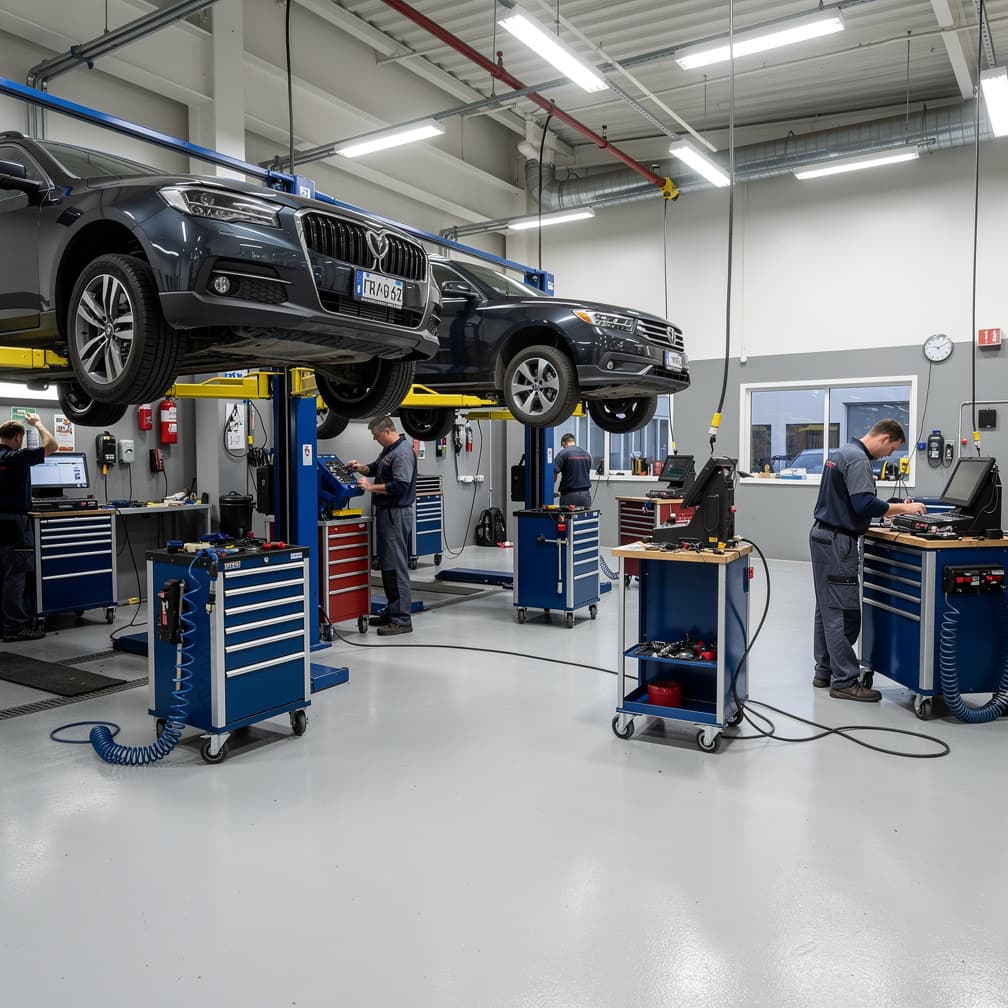
For many businesses, the first distinction to review is indoor versus outdoor storage. A carrier will want to understand whether customer vehicles stay in enclosed service bays, behind locked gates, under shade structures, or in open parking areas that are visible from the street. That affects how underwriters look at theft potential, weather exposure, and how easily a loss can be documented after it happens.
You should also review who can move customer vehicles and under what controls. If porters, technicians, advisors, or lot staff all have access to keys, your application should explain key storage, sign-out procedures, camera coverage, and whether vehicles are ever left unlocked pending pickup. If your operation includes towing, after-hours drop boxes, or sublet work between locations, say so early. Those specifics tell an underwriter more about your actual risk than a generic class code ever will.
Buyers should also compare how their lease, lender documents, and vendor agreements describe responsibility for customer property. If those contracts push more responsibility onto your business than you expected, ask for a policy review instead of finding the mismatch after a claim.
Collision Coverage
Covers damage to customers' vehicles from collisions while in your care.

Comprehensive Coverage
Covers theft, vandalism, fire, and weather damage to customers' vehicles.
Specified Perils
Covers only specifically named perils at a lower premium.

Legal Liability
Covers damage you or your employees directly cause to a customer's vehicle.

Direct Primary
Pays regardless of fault, the broadest garage keepers coverage available.
Garage Keepers Insurance Requirements in Arizona
- Lots that rely on outdoor storage should describe fencing, lighting, gate procedures, and camera coverage in detail so the policy review matches actual overnight conditions.
- If your operation uses shared commercial parking or a secondary overflow area, disclose that layout early because customer vehicle control can look different than your main service bay setup.
- Shops that receive after-hours drop-offs should document key drop procedures, intake timing, and where vehicles wait before staff formally check them in.
- If customer vehicles move between your location and sublet vendors for glass, alignment, or specialty work, document each transfer point so the policy reflects who is responsible at every stage.
How Much Does Garage Keepers Insurance Cost in Arizona?
Pricing in Arizona usually turns on operational detail, not a one-size-fits-all state number. If your business stores a small number of customer vehicles inside secured bays, your quote can look very different from a yard that keeps vehicles outdoors for several days while approvals, parts, or title issues are resolved. The more clearly you describe how vehicles move through your operation, the easier it is for an underwriter to price the risk without adding extra uncertainty.
Start with vehicle volume and concentration. A shop that has a few customer cars on site at one time presents a different exposure than an operation that stacks a full lot before a holiday weekend. Then look at vehicle type and value, since regularly handling lifted trucks, luxury vehicles, fleet vans, or specialty units means the quote should be built around the vehicles you actually touch.
Indoor overnight storage, fenced outdoor areas, lighting, camera retention, and controlled key access can all affect how a carrier views the account. So can employee driving practices, road testing, tow activity, and whether vehicles are moved between locations. Claims history, deductible choice, and the coverage basis you select will also shape the premium.
Arizona oversight comes through the Department of Insurance and Financial Institutions. That matters because the regulator reviews how carriers file policy forms and handle complaints, so keeping complete copies of the documents you compare gives you a record if a dispute arises over coverage language or claim handling. For a useful quote request, send your peak vehicle count, storage layout, security controls, and any contract insurance requirements together.
Request a Quote Comparison
Enter your ZIP code to compare garage keepers insurance rates from top carriers.
Business insurance starting at $25/mo
Who Needs Garage Keepers Insurance?
Arizona businesses need to review this exposure whenever customer vehicles stay on the premises long enough for your operation to control where they are parked, who can access them, and how they are moved. That can apply to more than traditional repair garages. If your business takes possession of keys and decides where the vehicle sits until work is finished or pickup happens, this coverage belongs in the conversation.
That is especially true for operations with uneven storage patterns. A quick service shop may only hold vehicles for a few hours most days, then keep several overnight when parts do not arrive. A body shop can have vehicles waiting for supplements, approvals, or paint curing for a week or more. A towing or impound operation may receive vehicles after hours with limited owner contact at intake, and a dealership service lane may move customer vehicles through multiple hands before delivery. Each setup changes how long vehicles remain under your control and how many people interact with them.
Arizona buyers should also think about property layout. If your lot shares access with other tenants, if overflow parking spills into a secondary area, or if customer vehicles are left pending pickup over weekends, your exposure can be broader than your current policy assumptions. The same is true if you subcontract detailing, glass work, alignment, or transport and vehicles move offsite during the repair cycle. If you are unsure whether your operation crosses the line from incidental handling to true responsibility for customer property, do not guess. Build a list of every point where a customer leaves a vehicle with you, then request a quote through CPK Insurance to compare your options with participating licensed providers.
Garage Keepers Insurance by City in Arizona
Garage Keepers Insurance rates and coverage options can vary across Arizona. Select your city below for localized information:
How to Buy Garage Keepers Insurance
Buying this coverage in Arizona goes more smoothly when you approach it like an underwriting file, not a quick online form. Start with a written map of your operation from drop-off to pickup. Include after-hours key drops, tow-ins, estimate staging, repair bays, road tests, sublet vendors, overnight storage, and final delivery. That timeline helps the agent place your exposure where it actually occurs instead of forcing your business into a generic description.
Next, gather the documents that shape your insurance requirements. Your lease may require certain limits or proof of specific coverages. A lender may want evidence that the business can support operations tied to financed equipment or property obligations. Commercial clients and fleet accounts may ask for certificates before they release vehicles to you. Put those requirements in one file so the quote can be checked against them before you bind.
Then prepare the underwriting details carriers usually ask for. Peak number of customer vehicles on site, whether storage is indoor or outdoor, fencing, lighting, camera systems, key control, employee driver rules, prior losses, and whether any vehicles are kept at a second location all belong in the submission. If your business has seasonal swings or a backlog pattern, explain that too. A short note about why vehicle counts rise can prevent a quote from being built on the wrong assumptions. Before you choose a policy, review exclusions, deductibles, covered causes of loss, and any endorsements that change how customer vehicles are treated. Ask the agent to walk through one realistic claim scenario from your shop, using your actual storage and handoff process. If the answer feels abstract, keep asking until the policy language matches your workflow.
How to Save on Garage Keepers Insurance
The most dependable way to lower costs is to reduce ambiguity in how customer vehicles are handled. Carriers usually respond better to a business that can show exactly where vehicles are parked, who holds keys, how access is restricted, and what records exist after a loss. If your current submission is thin, improving the file can matter as much as shopping the policy.
Start with lot discipline. Mark customer parking areas clearly, separate completed vehicles from new arrivals, and avoid informal overflow habits that leave cars in unmonitored spaces. If vehicles stay outside, document fencing, gate procedures, lighting, and camera placement. If they stay inside, show how bays are locked and who can enter after hours. A storage setup that an underwriter can picture from your file is one they can price with confidence.
Key control is another practical savings lever. Use a sign-out process, restrict master access, and keep a record of who moved each vehicle and why. If road tests are part of your operation, maintain written rules on route, purpose, and driver eligibility. If subcontractors ever take possession of vehicles, keep certificates and written transfer procedures on file. Better documentation can help an underwriter view the account as managed rather than improvised.
You can also save by matching limits and deductibles to your real exposure instead of renewing on autopilot. Review the highest-value vehicles you typically hold, the maximum number on site at one time, and whether your contracts require anything specific. Then compare options side by side so the policy terms fit your operations.
Our Recommendation for Arizona
In Arizona, buy this coverage with your property layout in mind, not just your business type. Two repair shops can look similar on paper and present very different risk if one keeps vehicles indoors behind controlled access and the other relies on open overflow parking during busy weeks. Your quote should describe the real lot, the real handoff process, and the real after-hours routine.
Beyond the basics of lot layout and key control, pay attention to how your policy handles vehicles in transit. If a customer car is on a tow hook, being road-tested by a technician, or sitting at a sublet vendor's lot, the coverage question is whether your form follows the vehicle or stops at your property line. Ask the agent to point to the specific endorsement or exclusion that answers that. If the answer is unclear, get it in writing.
Another area worth scrutiny is how the policy values a damaged customer vehicle. Some forms pay actual cash value, others may offer agreed value or replacement cost for certain situations. If you regularly handle high-value or specialty vehicles, the difference between those valuation methods can be significant at claim time. Review the valuation clause before you bind, not after a loss.
Arizona buyers should also keep policy documents and certificates organized from the start. When a landlord, lender, or commercial account asks for proof, having the exact form and endorsement details they requested lets you respond quickly and get back to work.
FAQ
Frequently Asked Questions
Landlords, lenders, and commercial clients often ask for proof before a lease is finalized, equipment obligations are approved, or vehicles are released to your business. Keep your certificate and any required endorsements ready so the coverage shown matches your actual operations.
Repair shops should review it closely when customer vehicles stay overnight, wait on parts, or sit pending pickup. The longer a vehicle remains under your control, the more important it is to match the policy to where it is stored and who can move it.
Carriers often look closely at fenced storage, lighting, camera coverage, and key control because those details help explain how customer vehicles are protected after hours. A clearer security picture can lead to a more accurate quote and fewer underwriting questions.
Towing and impound operators should build the quote around intake timing, after-hours arrivals, key handling, lot layout, and how long vehicles remain on site. Include any secondary storage areas and transfer procedures so the policy is reviewed against the real yard workflow.
Insurance oversight runs through the Arizona Department of Insurance and Financial Institutions. If you are comparing policy forms, endorsements, or complaint handling steps, keep that regulator in mind and save complete copies of the documents you review before binding.
Dealership service departments often should review this exposure separately from broader dealership insurance because customer vehicles pass through advisors, technicians, porters, and storage areas. The quote works better when it reflects that service-lane workflow instead of a generic dealership description.
Quote requests work best when you include peak customer vehicle count, indoor versus outdoor storage, lot security, key control, employee driving rules, and any lease or client insurance requirements. That gives the underwriter a file built around your actual operation.
Garage keepers insurance may cover damage to customers' vehicles while they are in your care, custody, or control. That may include collision, theft, fire, vandalism, hail, and other covered causes of loss, depending on your policy terms and how your business handles vehicles.
Sources
- 1.Arizona Department of Insurance and Financial Institutions(Arizona insurance oversight runs through the Arizona Department of Insurance and Financial Institutions.)
Updated July 16, 2026