Updated July 16, 2026

On-Hook Towing Insurance in Mesa
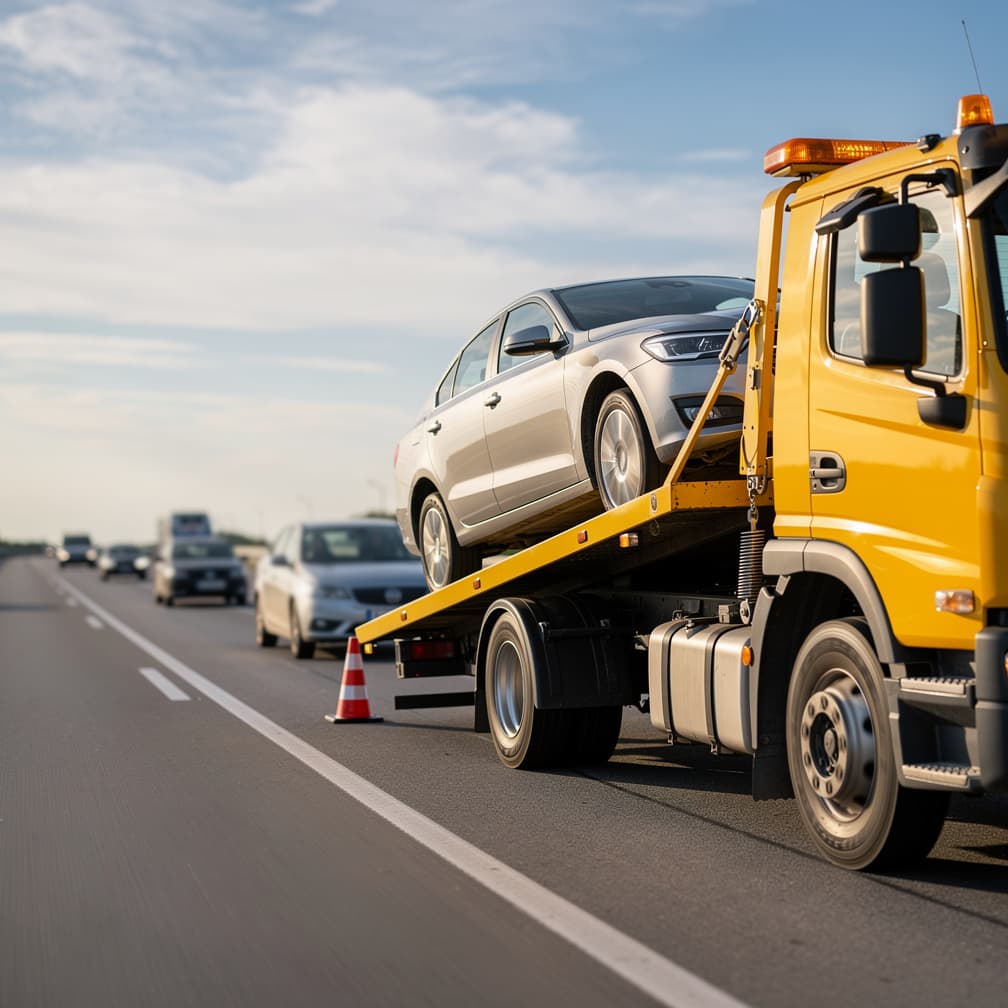
Space costs shape towing decisions here before a truck ever rolls. With Mesa median household income at $78,779, many personal vehicles you pick up sit in a value band where a small on-hook loss can still turn into a serious customer dispute. A $2,000 damage claim can feel like a $10,000 problem once the owner disputes pre-existing scratches. Your policy is usually less about buying the lowest limit and more about matching limits and deductibles to the kinds of cars, SUVs, and light trucks your drivers actually load. Apartment tows, retail lot removals, breakdown recoveries, and dealer moves all share one thing: the owner expects the vehicle back in the same condition it left. A thin file can leave you arguing over damage valuation after a strap failure, loading mistake, or transport incident. A stronger quote request usually spells out your mix of wheel-lift and flatbed work, the highest vehicle values you regularly accept, whether you tow after-hours from private property, and how often units move more than one vehicle class in the same shift. Ask for deductible options you can absorb without turning one claim into a cash-flow problem.
On-Hook Towing Insurance Risk Factors in Mesa
Mesa's top risk factors include Severe weather, Property crime, Flooding, and Vehicle accidents.
Arizona has a moderate climate risk rating. Top hazards: Extreme Heat (Very High), Wildfire (High), Dust Storm (High), Flash Flooding (Moderate). The state's expected annual loss from natural hazards is $680M, which influences on-hook towing insurance premiums and may affect coverage availability in high-risk areas.
What On-Hook Towing Insurance Covers
The Arizona difference is less about changing the basic purpose of your policy and more about making sure it matches the way your trucks actually operate across desert heat, mountain grades, monsoon conditions, and mixed urban and rural dispatch patterns. A buyer in this state should review how it responds to the exact handoff points where disputes start. Those points include the condition of the vehicle before hookup, the method used to secure it, the route chosen, the unloading surface, and who signs off at delivery. When your operation handles a mix of roadside calls, impounds, recovery work, and scheduled transport, those details matter because the same truck can present very different claim severity depending on the assignment.
Arizona operators should also look closely at whether their procedures line up with policy language around care, custody, and control during the tow. That is especially important if you move vehicles with pre-existing body damage, low ground clearance, modified suspensions, specialty wheels, or mechanical issues that make loading more delicate. A practical review should include your photo process before hookup, your securement checklist, your use of dollies or skates, and how drivers document exceptions when a vehicle cannot be moved in the usual way.
You should also ask how the coverage is intended to work alongside garagekeepers, auto liability, physical damage, and any storage-related protection you carry. A vehicle may be damaged during a tow, while waiting in your lot, or during a transfer between one stage of service and the next. If your forms are not coordinated, you can end up arguing over which policy should respond instead of focusing on the claim itself. Review those boundaries before you bind, and ask for examples tied to your actual range of services.
Coverage Included
Collision on Hook
Covers damage to towed vehicles from collisions during transport.
Comprehensive on Hook
Covers theft, fire, and weather damage to vehicles being towed.
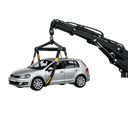
Loading & Unloading
Covers damage during the process of loading and unloading vehicles.
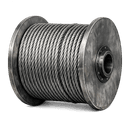
Winching Coverage
Covers damage to vehicles during winching and recovery operations.
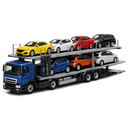
Multiple Vehicle
Covers all vehicles on multi-car carriers and rollback flatbeds.
Industries & Insurance Needs in Mesa
Volume is the local difference. Maricopa County has 107,648 business establishments, and its largest establishment shares are professional, scientific, and technical services at 14%, health care and social assistance at 13.8%, and retail trade at 10.2%, so a towing operation here often serves parking lots, office properties, clinics, shopping centers, and vendor-heavy sites with constant vehicle turnover. That changes on-hook buying more than a generic city profile does. You may be moving employee vehicles from managed lots in the morning, customer cars from retail centers later, and disabled vehicles tied to medical or service visits after that. Each setting can bring different expectations about documentation, release procedures, and condition disputes. If your book includes commercial property accounts, ask for a quote built around where calls originate and what kinds of vehicles those properties generate, not just how many trucks you run. That helps you review whether your on-hook limit fits the real mix of private passenger vehicles you touch in a normal week.
What Makes Mesa Different
Property-driven towing is the main local difference. Your exposure often comes from repeated pickups on managed private property rather than only roadside recovery. That changes the calculus because the claim is not just about the tow itself. It can start with a hurried hookup in a tight lot, continue through transport, and end with a disagreement over pre-existing damage, wheel position, ride height, or where the vehicle was released. When your dispatch board depends heavily on apartments, shopping centers, clinics, and business parks, review on-hook limits around routine frequency and vehicle mix instead of treating every tow like an isolated event. Make sure your submission captures whether your drivers rotate between wheel-lift removals and flatbed recoveries, and note any accounts that generate newer vehicles or heavier SUVs.
Our Recommendation for Mesa
Build your quote request around the jobs that create the most argument after a loss. Describe your top property types, private impound work, the highest-value vehicles you will accept without manager approval, and which units handle low-clearance, all-wheel-drive, or specialty pickups. If you serve commercial accounts with steady call volume, ask to review whether one on-hook limit works across the whole fleet or whether your operation would be better described by truck use, territory, and vehicle type. Deductibles deserve the same discipline. A higher deductible can look workable until a preventable loading claim hits during a busy week, so choose an amount your business can actually carry from operating cash. Better records do not replace coverage, but they can make a claim easier to defend and help an underwriter understand that your operation is controlled rather than improvised.
Get On-Hook Towing Insurance in Mesa
Enter your ZIP code to compare on-hook towing insurance rates from carriers in Mesa, AZ.
Business insurance starting at $25/mo
FAQ
Frequently Asked Questions
Towing companies often handle apartment, retail, and office-property removals where the dispute starts with vehicle condition, not just the tow. With Mesa median household income at $78,779, many vehicles you pick up fall in a range where even minor damage can trigger a fight over pre-existing wear. The average car on your hook is worth enough that the owner will push back hard on a scratch or dent.
Maricopa County has 107,648 business establishments. For a tow operator, that density translates into steady call flow from managed lots and commercial properties, which raises the odds of a loading incident on familiar ground. It is worth requesting a quote built around property types, vehicle mix, and repeat-account towing patterns.
Focus on the property sources that actually drive your dispatch volume. An underwriter gets a clearer picture of loading conditions, vehicle turnover, and likely claim friction when you connect each account type to the work it generates.
Maricopa County's leading sectors are professional services at 14%, health care and social assistance at 13.8%, and retail trade at 10.2%. Roughly four in ten local businesses are the type that hire tow companies for parking enforcement and customer vehicle moves, so your quote should reflect where those calls originate.
Request a quote through CPK Insurance today.
If your work includes impounds, the risk turns on custody of the vehicle during the tow, not just the job label. Make sure the quote reflects that service rather than a generic towing description.
Arizona buyers should compare quotes by limit, deductible, covered vehicle types, service restrictions, and claim documentation expectations. A lower premium is not enough if the form narrows recovery work, impounds, specialty vehicles, or the way your trucks are actually dispatched.
Arizona conditions can affect underwriting because uneven terrain and sudden storms change how vehicles are loaded, secured, and unloaded. That is why underwriters often respond better when your submission includes photos, procedures, and a clear description of difficult-call conditions.
Sources
- 1.U.S. Census Bureau, ACS 5-Year Estimates, table B19013(Mesa median household income)
- 2.U.S. Census Bureau, County Business Patterns, Maricopa County(Business establishments in Maricopa County (the county containing Mesa; describe as a county figure, never a city figure); Leading business sectors in the county containing Mesa by establishment share)
Updated July 16, 2026