Updated July 16, 2026

Builders Risk Insurance in Phoenix
Projects here often move between infill lots, retail suites, and office build-outs spread across a wide metro. Materials may be staged off-site, with subcontractors arriving from different directions on the same day. That mix of moving parts is exactly what should drive your insurance review before work starts. What matters is tracking how property, equipment, and partially completed work move between the yard, the job site, and any temporary storage location tied to the build. A homeowner adding onto a house in Arcadia, an investor rehabbing a small commercial space in Midtown, and a contractor finishing tenant improvements near Deer Valley can all need different terms around transit, theft controls, and soft-cost timing. Phoenix sits in a housing market where the median home value is $381,900. Put another way, a kitchen addition or second-story build can tie up well over $100,000 in structure and materials before you factor in finishes. That is why underinsuring the completed structure or stored materials creates a real gap. Before you request terms, line up the construction budget, draw schedule, site address, security details, and whether any materials will be stored away from the premises.
Builders Risk Insurance Risk Factors in Phoenix
Local job flow is the main risk issue here. On many projects, framing packages, fixtures, HVAC components, or finish materials do not stay at one address from delivery to installation. They may sit in a warehouse, a fenced yard, a garage, or a temporary container before crews are ready. That matters because builders risk terms can treat **on-site property, property in transit, and property at temporary storage** differently. If your build depends on staged deliveries across the metro, ask for those locations and movements to be reviewed up front instead of assuming they are automatically included. You should also match the policy period to the real construction timeline, especially if inspections, change orders, or owner selections can slow close-out. A practical review starts with where materials are purchased, where they wait, who controls keys and access, and how quickly high-value items are installed after delivery.
Arizona has a moderate climate risk rating. Top hazards: Extreme Heat (Very High), Wildfire (High), Dust Storm (High), Flash Flooding (Moderate). The state's expected annual loss from natural hazards is $680M, which influences builders risk insurance premiums and may affect coverage availability in high-risk areas.
What Builders Risk Insurance Covers
In Arizona, the most important coverage review often starts with where property sits before it is installed and how long it stays exposed at the site. A rural ground-up build outside a dense metro area can create different theft and weather concerns than an infill renovation surrounded by neighboring structures, fencing, and daily foot traffic. That affects how you should review materials in transit, temporary storage, and property already delivered but not yet attached to the building.
Renovation work deserves especially careful attention. If your project involves improving part of an existing structure, ask whether the policy is written only around new work or whether certain existing elements need to be scheduled, excluded, or handled another way. That point matters on Arizona remodels where owners may keep part of the building occupied, phase work by area, or protect equipment and finishes already in place.
You should also line up the policy with the contract's risk transfer language. If the owner buys the policy but the general contractor is responsible for site controls, the named insured structure and any additional insured or loss payee requests need to be checked against the agreement. Lenders may also want evidence that the project is insured for the right term and value before draws continue.
Arizona's insurance regulator is the Arizona Department of Insurance and Financial Institutions. That means you can verify producer licensing and review complaint histories through DIFI before you commit to a policy, which is worth doing when you are comparing options from providers you have not worked with before.
Coverage Included

Structure Coverage
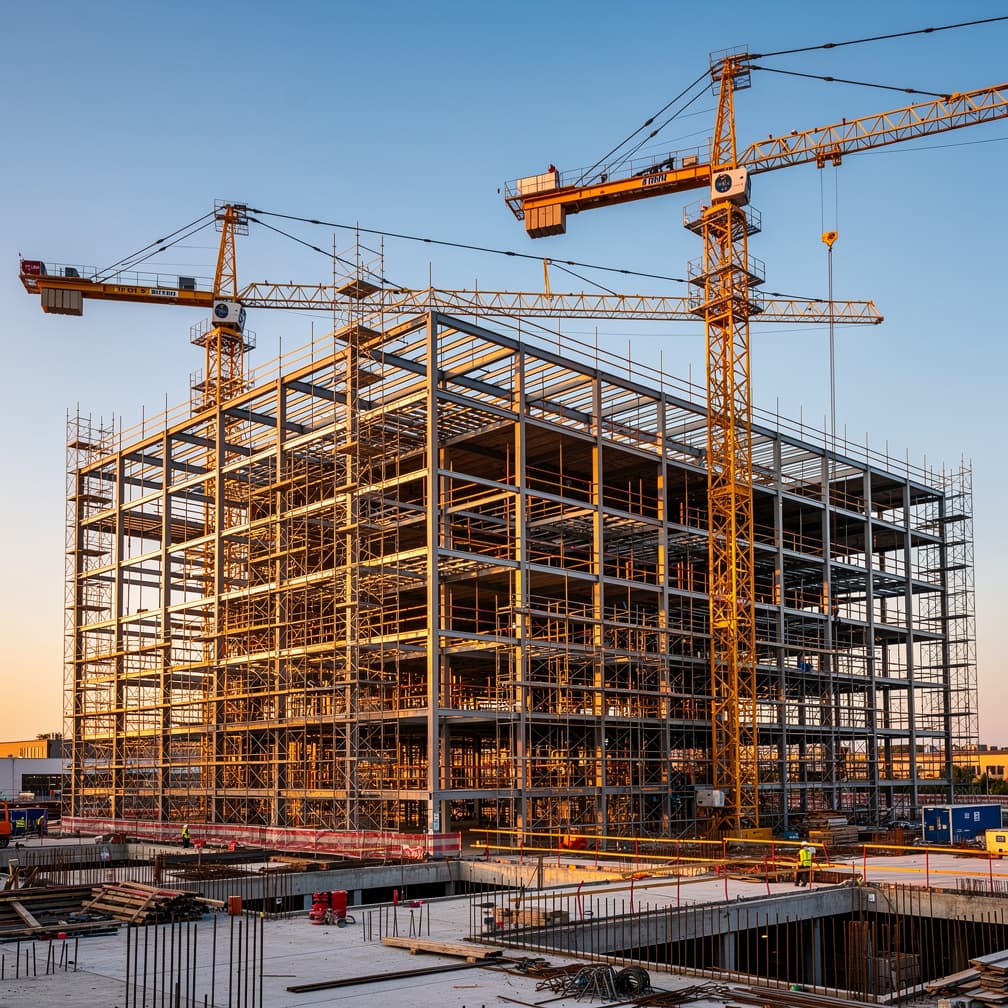
Covers the building or structure under construction.
Materials on Site
Covers building materials stored at the construction site.

Materials in Transit
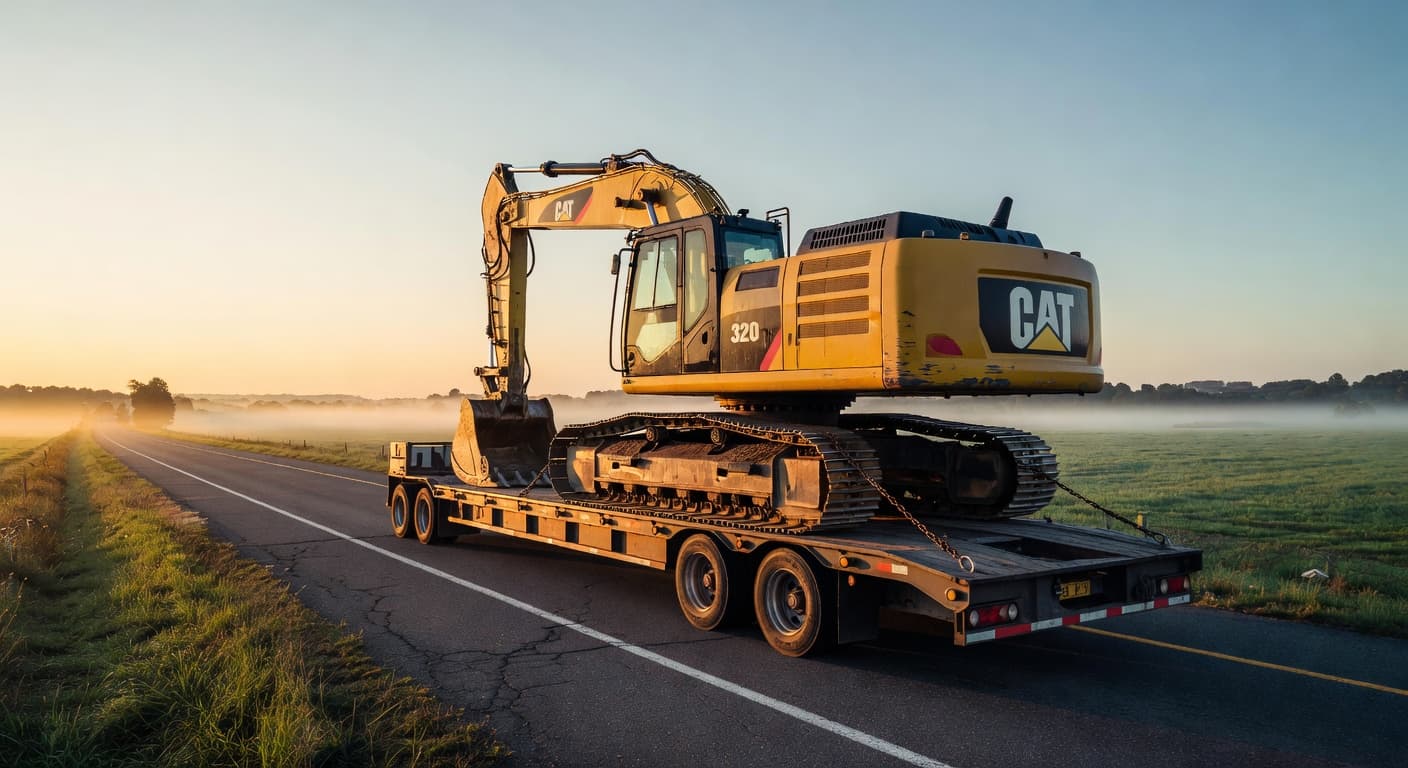
Covers materials being transported to the job site.
Temporary Structures
Covers scaffolding, fencing, and temporary buildings.

Soft Costs
Covers additional expenses from construction delays due to covered losses.

Equipment Coverage
Covers permanently installed fixtures and equipment.
Industries & Insurance Needs in Phoenix
County business mix changes the kind of projects that show up here. Maricopa County has 107,648 business establishments, and its largest establishment shares are professional, scientific, and technical services at 14%, health care and social assistance at 13.8%, and retail trade at 10.2%. That matters because a lot of local builders risk demand comes from office improvements, medical space work, and retail renovations, not only ground-up residential construction. Those jobs often involve phased occupancy concerns, owner-supplied materials, and tighter schedules around tenant opening dates. If your project is a suite build-out or renovation tied to a lease, bring the lease requirements, lender conditions, and construction contract into the quote review. That helps you check whether the policy should address existing structure exposure, temporary storage, and any soft costs tied to delayed opening.
What Makes Phoenix Different
The logistics of each project, not the project type itself, tend to drive what your policy needs to address. Many builds are not isolated new homes on a single controlled site. They are additions, tenant improvements, and renovations where materials, trades, and decision-makers are spread across multiple locations. That spread opens the door to confusion about what property is covered, where it is covered, and when coverage should end. Phoenix has a median household income of $77,041. For insurance purposes, that tells you owners here are more likely to fund a full kitchen overhaul or second-story addition than a surface-level refresh, which means higher material values and longer construction timelines to review. The insurance review should follow the actual money flow of the job. That means deposits on custom materials, owner-furnished items, lender draws, and the value of work in place at each stage. When you compare quotes, look past the form name and pressure-test whether the terms actually fit how you run deliveries, what you are renovating, and what triggers the end of the policy.
Our Recommendation for Phoenix
Your construction contract and scope sheet tell the real story of the job, so let them drive the insurance review. Start by sorting the job type, because a renovation or tenant improvement may need to address only new work or also any existing structure exposure that could be implicated during construction. From there, list every off-site storage location along with the highest value expected to sit there at one time. Disclose early if the owner is buying appliances, fixtures, or specialty finishes directly, so those values are not left outside the policy review. For lender-backed projects, compare the requested insurance terms against the draw schedule and expected completion date. A policy that expires before punch-list work finishes can create avoidable friction. When you are choosing between quotes, ask each advisor to walk line by line through covered property, temporary storage, transit, theft controls, and the trigger for policy completion. Get those revisions locked in before you bind.
Get Builders Risk Insurance in Phoenix
Enter your ZIP code to compare builders risk insurance rates from carriers in Phoenix, AZ.
Business insurance starting at $25/mo
FAQ
Frequently Asked Questions
Remodels here often rely on staged deliveries and temporary storage, so off-site materials should be reviewed directly in the quote. If cabinets, fixtures, or equipment sit away from the job address before installation, ask how temporary storage and transit are treated.
Tenant improvement quotes move faster when you send the construction contract, scope of work, project address, budget, completion target, and any lease insurance requirements. If the owner is supplying materials, include that detail before terms are issued.
Maricopa County has 107,648 business establishments. In practical terms, that volume keeps contractors busy with back-to-back tenant build-outs and medical or retail renovations, which means tighter timelines and more pressure on opening dates. Pay close attention to renovation scope, opening-date pressure, and owner-furnished materials when you review terms.
Phoenix has a median home value of $381,900, so a moderate addition can tie up as much in structure and materials as some full builds elsewhere. That makes it worth checking whether the completed value and construction budget are aligned before binding coverage.
Renovation owners most often run into trouble by assuming every material location and every phase of work is automatically covered. Before you bind, sit down and map out where property sits, who controls the site, and when coverage should end.
Arizona projects are often insured by the owner, developer, or another party named in the construction contract. The right buyer depends on who carries the financial risk, who must satisfy lender conditions, and how the agreement assigns responsibility for the work.
Arizona renovation projects often need a closer review than new construction because the policy may treat new work, existing structures, and occupied areas differently. Ask how the form handles phased work, partial occupancy, and property already in place.
Arizona lenders commonly want evidence that the project is insured before draws continue. The practical step is to compare the policy terms, named interests, and completed value against the loan documents before binding so funding is not delayed.
Sources
- 1.U.S. Census Bureau, ACS 5-Year Estimates, table B25077(Phoenix has a median home value of $381,900, so even smaller residential projects can involve enough value that underinsuring the completed structure or stored materials creates a real gap.)
- 2.U.S. Census Bureau, County Business Patterns, Maricopa County(Maricopa County has 107,648 business establishments, and its largest establishment shares are professional, scientific, and technical services at 14%, health care and social assistance at 13.8%, and retail trade at 10.2%.)
- 3.U.S. Census Bureau, ACS 5-Year Estimates, table B19013(Phoenix also has a median household income of $77,041, which helps explain why owners may invest in meaningful remodels and upgrades rather than only basic repairs.)
Updated July 16, 2026