







































Updated July 10, 2026

Warehouse Insurance in Arkansas
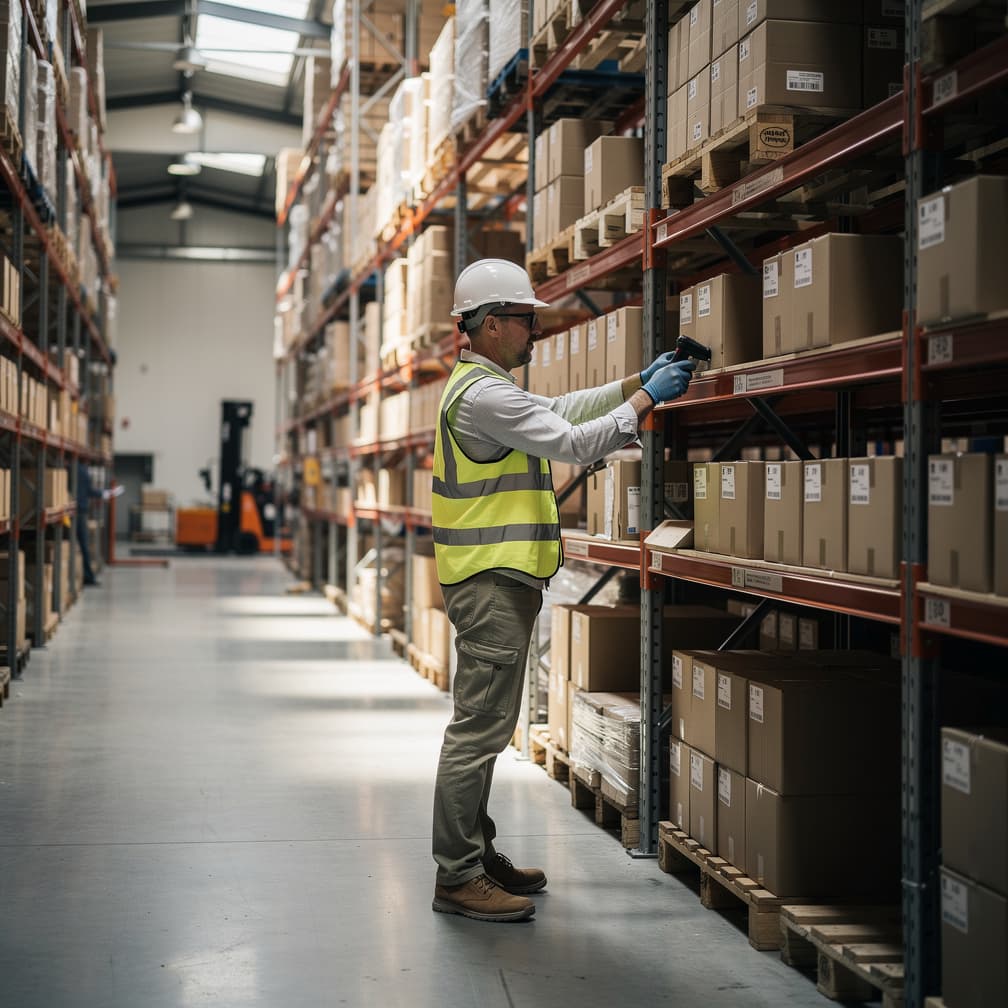
A warehouse in Arkansas faces a different mix of pressure than a small office or storefront. Tornadoes, severe storms, and flooding can interrupt operations fast, while dock traffic, pallet movement, and stored inventory create everyday exposure inside the building. If you manage a distribution site in Little Rock, run a fulfillment center near a freight corridor, or store goods in a leased industrial space, a warehouse insurance quote in Arkansas should reflect how your building, inventory, equipment, and customer traffic actually work. The right request starts with the value of what you store, how often goods move in and out, whether forklifts operate on site, and whether your lease requires proof of general liability coverage. It also helps to account for fire risk, theft, vandalism, and the possibility that storm damage could shut down shipping, receiving, or order fulfillment for days. A tailored quote can help you compare warehouse property insurance, warehouse liability insurance, and other coverage options in one place.
Climate Risk Profile
Natural Disaster Risk in Arkansas
Understanding climate-related risks helps determine appropriate insurance coverage levels.
Tornado
Very High
Severe Storm
High
Flooding
High
Ice Storm
Moderate
Expected Annual Loss from Natural Hazards
$920M
estimated economic loss per year across Arkansas
Source: FEMA National Risk Index
Common Risks for Warehouse Businesses
- Fire damage to stored inventory, racking, and building contents
- Storm damage affecting roof sections, dock doors, or exterior storage areas
- Theft of inventory, tools, mobile property, or valuable papers
- Vandalism that damages doors, windows, shelving, or loading areas
- Forklift accidents that damage stock, racks, or customer property on site
- Slip and fall or customer injury claims in dock, aisle, or receiving areas
Risk Factors for Warehouse Businesses in Arkansas
- Arkansas tornado exposure can create building damage, fire risk, and business interruption for warehouse operations in Little Rock, Northwest Arkansas, and other distribution corridors.
- Severe storm and flooding conditions in Arkansas can damage inventory, loading areas, and stored equipment, especially where goods are kept near ground level.
- Ice storms in Arkansas can lead to power loss, equipment breakdown, and business interruption for warehouses that rely on refrigeration, conveyors, or climate control.
- Vandalism and theft risks in Arkansas can affect warehouse yards, docks, and mobile property such as pallet jacks, tools, and contractors equipment.
- Forklift accidents and loading dock incidents in Arkansas warehouses can trigger bodily injury, property damage, and third-party claims.
How Arkansas compares with the national baseline
Property crime per 100,000 residents
3,250 vs 2,200 baseline
Property crime in Arkansas runs above the national average, at 3,250 vs 2,200 incidents per 100,000 residents.
Blue bar: Arkansas. Gray line: national baseline.
How Much Does Warehouse Insurance Cost in Arkansas?
Warehouse Insurance is a bundle of separate policies, priced separately. The ranges below are typical figures for Arkansas for each line, except workers compensation, which is rated per $100 of payroll; a quote prices each one against your own operations.
| Coverage | Typical range | What moves your price |
|---|---|---|
| Commercial Property Insurance | $180 - $850 per month | Building value and construction type, roof age and condition, fire protection class |
| General Liability Insurance | $70 - $240 per month | Industry and risk classification, annual revenue, number of employees |
| Workers Compensation Insurance | $0.75 - $2.74 per $100 of payroll | Employee classification codes, total annual payroll, experience modification rate |
| Inland Marine Insurance | $30 - $150 per month | Total insured value of the scheduled property, type and age of the equipment, where it is stored and how far it travels |
| Commercial Umbrella Insurance | $70 - $270 per month | Umbrella limit requested, limits carried on the underlying policies, loss history on those underlying policies |
Prices shown are general estimates, not guaranteed rates or quotes. Your actual premium will depend on the insurer, coverage selected, business details, location, claims history, and other underwriting factors. Learn about our pricing methodology.
Get Your Warehouse Insurance Quote in Arkansas
Compare rates from multiple carriers. Free quotes, no obligation.
What Arkansas Requires for Warehouse Insurance
Non-compliance can result in fines, loss of contracts, and personal liability:
- Workers' compensation is required in Arkansas for businesses with 3 or more employees, with exemptions for sole proprietors, partners, farm laborers, and real estate agents.
- Many commercial leases in Arkansas require proof of general liability coverage before a warehouse space can be occupied or renewed.
- Commercial auto liability minimums in Arkansas are $25,000/$50,000/$25,000, which matters if your warehouse operation uses company vehicles for deliveries or pickups.
- Warehouse owners and operators should confirm their policy includes the right property, liability, and inland marine endorsements for inventory, tools, and equipment in transit.
- Coverage limits should be reviewed against stored inventory value, leased building obligations, and exposure to catastrophic claims from tornado, storm, or fire losses.
| Requirement | What Arkansas law says |
|---|---|
| Auto liability minimums | $25,000/$50,000/$25,000 (bodily injury per person / per accident / property damage). These floors apply to personal and business vehicles alike; lenders and contracts often require more. |
| Workers compensation | Generally required once you have 3 or more employees. Some roles are exempt, so confirm current thresholds before you hire. |
| Where to verify | Arkansas Insurance Department publishes current requirements, consumer guides, and license lookups. |
Common Claims for Warehouse Businesses in Arkansas
A tornado warning leads to roof and siding damage at an Arkansas warehouse, followed by water intrusion that damages stored inventory and slows shipping for several days.
A forklift operator strikes shelving at a fulfillment center near Little Rock, causing product damage, a temporary aisle closure, and a claim for repairs and lost business time.
A severe storm knocks out power at a distribution warehouse, leading to equipment breakdown, spoiled or damaged goods, and a business interruption claim while operations are restored.
Preparing for Your Warehouse Insurance Quote in Arkansas
A current list of stored inventory, including approximate values, seasonal swings, and any high-value items.
Details about the building: owned or leased, square footage, dock setup, fire protection, and any recent improvements.
Information on operations: forklifts, loading docks, delivery activity, contractors equipment, tools, and whether goods move in transit.
Your requested limits, deductible preferences, lease requirements, and any needed endorsements for warehouse coverage quote review.
Coverage Considerations in Arkansas
- Warehouse property insurance for the building, fixtures, and other covered property exposed to fire, storm damage, vandalism, and building damage.
- Warehouse liability insurance to address third-party claims tied to customer injury, slip and fall, bodily injury, property damage, and legal defense.
- Inventory coverage for warehouses that store goods with changing values, especially where storm damage, fire risk, or theft could interrupt orders.
- Inland marine coverage for equipment in transit, tools, mobile property, contractors equipment, and installation-related exposures.
What Happens Without Proper Coverage?
Warehouse losses rarely stay in one lane. A fire can damage the building, destroy packaging supplies, interrupt receiving and shipping, and leave you unable to meet customer deadlines. A water intrusion event can affect only one section of the facility, but if that section holds your fastest moving inventory, the business impact can spread quickly. Insurance needs to be reviewed with those chain reactions in mind.
Liability is another reason warehouse operators need a careful insurance structure. Your premises may see delivery drivers, vendors, maintenance contractors, and occasional customers. A fall near a dock plate, an injury in a staging area, or property damage involving third party equipment can turn into a claim even if your team believes the site is well managed. General liability insurance can help address those allegations, but the limits should be considered against the size of your operation and the parties you deal with.
Your employees also create a major exposure simply because warehouse work is hands on. Repetitive motion, lifting strain, falls, and vehicle related incidents can disrupt staffing and create workers compensation claims. If you rely on a small team to keep orders moving, even one injury can slow fulfillment and increase overtime pressure for everyone else. That is why accurate payroll reporting, job descriptions, and safety procedures matter during the quote process.
Property values inside a warehouse can be easy to underestimate. Stock levels change, seasonal surges happen, and equipment accumulates over time. If your limits are based on an old snapshot, a serious loss may leave you trying to replace damaged property while also paying to keep the business running. Commercial property insurance and inland marine insurance should be reviewed together so fixed location property and mobile or off premises exposures are not handled in separate silos.
Insurance also matters because other parties often require it before business can move forward. Landlords may require certain liability limits. Customers may ask for proof of coverage before awarding storage or fulfillment work. Lenders may expect property insurance on a financed building or equipment. Those requirements should be collected before you request quotes so the policy structure can be reviewed against real contract language instead of guessed at after binding.
If you are comparing options, bring your lease, customer agreements, payroll details, equipment schedule, and a current estimate of stock values. That makes it easier to request a free, no obligation quote built around your actual warehouse operation.
Recommended Coverage for Warehouse Businesses
Based on the risks and requirements above, warehouse businesses need these coverage types in Arkansas:

Commercial Property
Safeguard your business property, equipment, and inventory against damage and loss.

General Liability
Essential coverage for every business, protect against third-party bodily injury, property damage, and advertising claims.

Workers Compensation
Help cover your employees' medical expenses and lost wages for work-related injuries and illnesses.

Inland Marine
Protect tools, equipment, and goods in transit or stored at locations away from your primary premises.

Commercial Umbrella
Extend your liability limits beyond your primary policies for extra protection against catastrophic claims.
Warehouse Insurance by City in Arkansas
Insurance needs and pricing for warehouse businesses can vary across Arkansas. Find coverage information for your city:
Insurance Tips for Warehouse Owners
Review commercial property limits against peak stock levels, racking, packaging materials, office contents, and any tenant improvements you would need to rebuild after a serious loss.
Separate office payroll from warehouse floor payroll when possible, because job duties, injury exposure, and workers compensation classification accuracy all affect how your policy is reviewed.
Describe your goods precisely on the application, since higher theft items, temperature sensitive products, or combustible stock can change underwriting and coverage recommendations.
Ask how inland marine insurance applies to scanners, mobile equipment, and property that moves between locations, so off premises exposures are not overlooked during the quote review.
Compare liability limits to your lease and customer contract requirements before binding, because certificate requests often surface after the policy is already issued.
Document forklift use, pedestrian controls, dock procedures, and housekeeping practices in writing, since those operational details help explain how you manage injury and property damage risk.
Review deductibles alongside your cash flow tolerance, because a lower premium can create a harder recovery if you need to absorb a large property loss before insurance responds.
FAQ
Frequently Asked Questions About Warehouse Insurance in Arkansas
Often, yes. Warehouse property insurance helps address damage to the building and covered contents, while warehouse liability insurance is designed for third-party claims such as customer injury, slip and fall, bodily injury, or property damage. Your lease, inventory value, and site layout can influence what you request.
A warehouse insurance quote in Arkansas usually centers on building damage, fire risk, theft, storm damage, inventory protection, and liability exposures around docks, aisles, and customer or vendor visits. Some businesses also ask about equipment breakdown and business interruption.
Have your inventory values, building details, lease terms, number of employees, forklift use, and any equipment or tools that move between sites. It also helps to know whether you need inland marine coverage for equipment in transit or mobile property.
Yes. Workers' compensation is required for Arkansas businesses with 3 or more employees, and many commercial leases require proof of general liability coverage. If you use vehicles for warehouse operations, Arkansas also has minimum commercial auto liability limits.
Compare the coverage terms, limits, deductibles, and endorsements, not just the monthly price. For Arkansas warehouses, it is smart to check how each quote handles storm damage, inventory coverage, forklift accident coverage, and business interruption.
The review centers on stored goods, the building, dock activity, visitor liability, and how long a shutdown you could absorb. Most operators compare commercial property, general liability, workers compensation, inland marine, and commercial umbrella insurance as the core structure.
If you lease the building, warehouse insurance still matters because you may need to insure your contents, improvements, equipment, and liability exposure. Your lease can also require specific limits or proof of coverage before occupancy or renewal.
Insurers usually look at what you store, how it is packaged, where it sits in the building, and how values change during the year. A quote is stronger when you provide current stock estimates and explain any seasonal swings or concentration points.
Updated March 31, 2026