
Updated July 5, 2026

Homeowners Insurance in Fayetteville
Buying a home here often means comparing very different properties in the same week: an older house near the university grid, a newer subdivision home farther out, or a place you expect to update room by room after closing. That is why homeowners insurance in Fayetteville works best when your quote starts with the house you are actually buying, not a generic state average. Local values matter. The city's median home value is $322,500, so a policy review should test whether your dwelling limit, other structures limit, and personal property settings still fit current replacement expectations rather than last year's estimate. Household budgets matter too. Deductible choices and optional endorsements need to be practical enough to use after a real loss, not just attractive on a quote screen. Before you bind coverage, line up the address, roof age, renovation status, detached structures, and any higher-value belongings so the quote reflects how you will live in the home from day one.
Arkansas has a high climate risk rating. Top hazards: Tornado (Very High), Severe Storm (High), Flooding (High), Ice Storm (Moderate). The state's expected annual loss from natural hazards is $920M, which influences homeowners insurance premiums and may affect coverage availability in high-risk areas.
What Homeowners Insurance Covers
Homeowners insurance in Arkansas typically centers on the dwelling, other structures, personal property, liability, and additional living expenses, but the exact wording and endorsements vary by carrier. Standard policies generally respond to fire, windstorms, hail, theft, and vandalism. That matters in a state where severe storms and tornadoes are the top hazard and where 2024 severe storms caused disaster declarations across 21 counties, meaning your policy's storm language directly affects whether repairs get paid for after a major event. Dwelling coverage should be set to rebuild at current construction costs, not to match the market value of your home. It matters because the median home value is $162,000 while the average dwelling coverage is $129,600, so owners who set limits to the purchase price may fall short on rebuild funds. Closing that gap means requesting a replacement-cost estimate based on local labor and materials rather than relying on the home's market value.
Personal property coverage usually protects belongings inside the home, but limits and special sublimits can differ for valuables. Liability coverage can help if someone is injured on your property, and additional living expenses coverage can help with temporary housing if a covered loss forces you out. Standard policies exclude flood damage, and Arkansas buyers should treat flood as a separate decision because spring flooding and hurricane or tropical storm losses have both affected the state. Medical payments coverage and other structures coverage may be included or offered as part of the policy structure. Confirm the limits and any exclusions with the carrier or agent before binding.
Coverage Included

Dwelling
Repairs or rebuilds your home itself, the walls, roof, floors, built-in appliances, and attached structures like a garage, after a covered loss. Set this limit to the full cost of rebuilding, not market value.
Other Structures
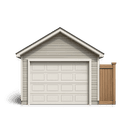
Detached structures on your property, such as a fence, shed, detached garage, or gazebo. Usually set at about 10 percent of your dwelling limit [2].

Personal Property
Your belongings, furniture, clothing, electronics, and appliances, generally written at 50 to 70 percent of your dwelling limit [2]. High-value items like jewelry and art carry special limits.

Additional Living Expenses
Also called loss of use. Pays your added living costs, hotel stays, meals, and a temporary rental, while a covered loss makes your home uninhabitable. Usually set at about 20 percent of your dwelling limit.

Liability
Covers you if someone is injured on your property, or you damage someone else's property, and you are found responsible. The standard $100,000 limit [2] is often raised to $300,000 or $500,000.

Medical Payments
Pays small medical bills, commonly $1,000 to $5,000, if a guest is hurt at your home regardless of fault, without a formal liability claim.
Homeowners Insurance Cost in Fayetteville
Average Cost in Arkansas
$120 - $300
per month
In Arkansas, homeowners insurance premiums typically run $120 - $300 per month, which tends to run 17% above the national range of $110 - $250 per month.
- Home replacement cost, age, and construction type
- Roof age, material, and condition
- ZIP code and local weather risk (wind, hail, wildfire, hurricane)
- Coverage limits and endorsements
- All-peril and percentage wind/hail deductibles
- Claims history and insurance score where allowed
Typical range for many standard homeowners profiles; lower-risk homes fall below it and coastal, wildfire, or older-roof homes can run well above. Final pricing depends on property details, location, underwriting, and selected coverage.
Prices shown are general estimates, not guaranteed rates or quotes. Your actual premium will depend on the insurer, coverage selected, personal details, location, claims history, and other underwriting factors. Learn about our pricing methodology.
The cost of homeowners insurance in Arkansas is shaped by a mix of statewide pricing pressure and property-specific features. That premium index of 91 suggests a pricing advantage, but the state also shows a 17.9% premium difference versus the national homeowners average in the dwelling-cost data, meaning Arkansas premiums run higher than the national baseline. Your actual quote could land above or below that average depending on your home's age, roof condition, and location.
Tornado exposure is a major driver because Arkansas has a high overall climate risk rating and a very high tornado hazard rating. Carriers often weigh roof age, roof material, local construction costs, age and condition of the dwelling, and claims history in the area. The state's 2024 disaster history includes severe storms and tornadoes, which means carriers may apply stricter underwriting or higher wind deductibles statewide even if your home has no prior claims. Crime patterns can also affect pricing, since property crime remains elevated and local loss experience can influence personal property and dwelling rates. A home in Little Rock, Northwest Arkansas, or a county with repeated storm claims may price differently than a similar home elsewhere, especially if the roof is older or the replacement cost is higher than the purchase price. With many active insurers in the state, comparing multiple quotes is a practical way to see how each company weighs the same house.
What Affects Homeowners Insurance Rates in Fayetteville
Home values and household budgets change the conversation more than a generic statewide price example here. The main question is not simply how low you can push premium, but whether your dwelling limit and ordinance or law options are still realistic for the property you own. If your home value, finishes, or recent upgrades sit above what an older policy assumed, a low limit can leave you funding part of a rebuild yourself. At the same time, the city's median household income is $59,074, so deductible selection deserves a hard look. A higher deductible can reduce premium, but it only helps if you could comfortably absorb that out-of-pocket cost after a wind or fire claim. Ask for side-by-side quotes with at least two deductible options and confirm how roof age, claims history, and protective devices change the offer.
What Makes Fayetteville Different
Home value discipline is what changes the calculus here. The biggest mistake is treating homeowners coverage like a fixed commodity instead of a property-specific financial decision. A quote that looks acceptable at first glance can still be light on dwelling coverage, restrictive on personal property categories, or mismatched on deductible if it was built from stale assumptions. That matters even more if you bought an older home, completed upgrades, added a fence or shed, or now keep more expensive electronics, tools, or jewelry than the prior owner did. The practical move is to review the declarations page line by line and ask what each limit is designed to do for this address. Focus first on dwelling, then detached structures, then loss of use and liability. If any number feels inherited rather than intentional, revise it before renewal or closing.
Our Recommendation for Fayetteville
Start with a replacement-cost conversation, not a premium conversation. Ask the agent what information they used for square footage, construction type, roof age, and updates, because small input errors can distort the whole quote. Next, pressure-test your deductible against your actual cash reserves. The right deductible is the one you can realistically pay without turning a covered loss into a budget crisis. If you are buying near active commercial corridors or in a neighborhood with frequent visitors, review personal liability and guest medical payments with the same care you give the dwelling limit. If you work from home, store business property, or have detached structures used for hobbies or equipment, say so before binding. The cleanest next step is to request a quote review using your current declarations page, inspection report, and a short list of recent upgrades.
Get Homeowners Insurance in Fayetteville
Enter your ZIP code to compare homeowners insurance rates from carriers in Fayetteville, AR.
Home insurance starting at $50/mo
FAQ
Frequently Asked Questions
Fayetteville home values matter because the city's median home value is $322,500, so dwelling limits that looked adequate a few years ago may now be too thin. Review replacement assumptions, recent upgrades, and detached structures before you renew or close.
Fayetteville buyers should compare deductible options against real household cash flow. A higher deductible can reduce premium, but it only works if you could comfortably pay that amount after a covered loss.
Fayetteville older-home buyers should verify roof age, electrical and plumbing updates, foundation notes, and any detached structures before binding coverage. Those details can change eligibility, deductible options, and whether the quote matches the house's current condition.
Washington County has 6,140 business establishments, so home-based work is common enough that you should disclose business property and client visits. A standard homeowners policy may need review if you store equipment or regularly meet customers at home.
Washington County's leading sectors are retail trade at 12.9%, health care and social assistance at 12.3%, and professional, scientific, and technical services at 11.9%. That mix is a reminder to review work-from-home equipment, records, and liability exposures before relying on standard limits.
In Arkansas, homeowners insurance can help cover the dwelling, personal property, liability, additional living expenses, and sometimes other structures and medical payments depending on the policy form. The policy may respond to fire, windstorms, hail, theft, and vandalism, which matters in a state with very high tornado risk and repeated severe storm losses.
Homeowners insurance costs in Arkansas vary widely by property and coverage choices. Your final price depends on the home's location, roof age, construction, claims history, and the coverage limits and deductible you choose.
Mortgage lenders in Arkansas usually require active homeowners insurance before they will fund a loan, even though the state does not legally require it for an owner who has no mortgage. Lenders typically want enough dwelling coverage to protect the collateral, so the policy should match current rebuild costs rather than the purchase price.
Sources
- 1.U.S. Census Bureau, ACS 5-Year Estimates, table B25077(The city's median home value is $322,500.)
- 2.U.S. Census Bureau, ACS 5-Year Estimates, table B19013(At the same time, the city's median household income is $59,074, so deductible selection deserves a hard look.)
- 3.U.S. Census Bureau, County Business Patterns, Washington County(Washington County has 6,140 business establishments.; Washington County's leading sectors are retail trade at 12.9%, health care and social assistance at 12.3%, and professional, scientific, and technical services at 11.9%.)
Updated July 5, 2026