Updated July 16, 2026

On-Hook Towing Insurance in Fayetteville
Fayetteville operating costs sit in a market where median household income is $59,074, meaning a customer who loses access to a daily driver may push harder and faster for a quick payout. You are often handling daily drivers that owners still need for work, school, and family schedules. That raises the pressure to resolve a loss cleanly and document condition at pickup and drop, so it makes sense to review whether your deductible fits your cash flow, whether your limit matches the vehicles you actually tow, and whether your dispatch notes, photos, and securement routine would hold up if a customer challenges when damage happened. If you rotate between private property tows, breakdown calls, and body shop deliveries, ask for terms built around those handoffs rather than a generic submission.
On-Hook Towing Insurance Risk Factors in Fayetteville
Fayetteville's top risk factors include Tornado damage, Hail damage, Severe storm damage, and Wind damage.
Arkansas has a high climate risk rating. Top hazards: Tornado (Very High), Severe Storm (High), Flooding (High), Ice Storm (Moderate). The state's expected annual loss from natural hazards is $920M, which influences on-hook towing insurance premiums and may affect coverage availability in high-risk areas.
What On-Hook Towing Insurance Covers
The most useful coverage review starts with the handoff points where disputes usually begin. A customer may agree the vehicle was disabled before the tow, then later question damage around the bumper, rocker panel, wheel, undercarriage, or drivetrain after delivery. Your loading method, tie-down routine, and destination paperwork are central to how your on-hook protection should be reviewed. A flatbed operator handling low-clearance cars has a different exposure from a wheel-lift unit towing pickups from muddy shoulders, and that difference should show up in the quote request.
State conditions also shape the conversation. When a clear morning turns into an afternoon of flash flooding and storm debris, your drivers face loading and transport conditions that can shift a routine tow into a complicated claim. If your drivers work during severe weather, ask how the policy responds to damage allegations tied to shifting cargo, contact during loading, or problems discovered at drop-off after a difficult tow. If you take police rotation calls, private property impounds, or accident recoveries, note that in the application so the carrier can evaluate those higher-severity situations, such as winching a vehicle from a ditch or recovering one from a flood zone, separately from scheduled dealer moves.
You should also review how your on-hook terms interact with the rest of your towing program. The cleaner your service breakdown, the easier it is to request limits and terms that fit each unit instead of forcing one broad description onto the whole fleet.
Coverage Included

Collision on Hook
Covers damage to towed vehicles from collisions during transport.
Comprehensive on Hook
Covers theft, fire, and weather damage to vehicles being towed.
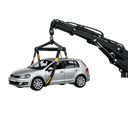
Loading & Unloading
Covers damage during the process of loading and unloading vehicles.
Winching Coverage
Covers damage to vehicles during winching and recovery operations.

Multiple Vehicle
Covers all vehicles on multi-car carriers and rollback flatbeds.
Industries & Insurance Needs in Fayetteville
Washington County has 6,140 business establishments, and its largest establishment shares are retail trade at 12.9%, health care and social assistance at 12.3%, and professional, scientific, and technical services at 11.9%, so local towing work often touches customer vehicles tied to shopping centers, medical offices, clinics, and office properties. That mix matters because each call source can create a different damage allegation pattern. A retail impound may bring disputes over pre-existing bumper or wheel damage. A medical office tow can involve urgent timing and tight parking layouts. An office property removal can turn on authorization records and condition photos. If those are meaningful parts of your book, ask for a quote review that matches your actual dispatch mix, after-hours activity, and documentation process. It is also worth checking whether your on-hook limit still fits the newer vehicles you are asked to move for commercial accounts.
What Makes Fayetteville Different
Claim friction shapes this market as much as towing frequency. A customer vehicle is often essential to the owner's routine. That means even a modest scratch, wheel issue, or loading allegation can escalate quickly if your paperwork and photos are thin. Instead of focusing only on a minimum acceptable limit, look closely at how a claim would actually be argued. Think through the pickup location, who authorized the tow, what condition was photographed before loading, what equipment was used, and when the vehicle was released. A workable deductible paired with stronger intake and release procedures can reduce disputes before they become expensive. If your current policy was quoted off a simple truck count and broad revenue estimate, revisit it with your real call types and the vehicle values you see most often.
Our Recommendation for Fayetteville
Review the vehicles you actually move before shopping for coverage. If you regularly tow late-model pickups, SUVs, or commercial account vehicles, ask whether your current on-hook limit is still realistic for a single loss. Test your deductible against how you would handle a disputed damage claim this month. Do not assume every issue will be minor. Solid intake and release records built before you shop also pay off, so keep timestamped pickup and drop photos, note wheel condition and existing body damage, record who authorized the tow, and separate impound work from consensual tows in your submission if those jobs create different exposures. If you work with property managers, body shops, or fleet accounts, mention that up front so the quote reflects those handoffs.
Get On-Hook Towing Insurance in Fayetteville
Enter your ZIP code to compare on-hook towing insurance rates from carriers in Fayetteville, AR.
Business insurance starting at $25/mo
FAQ
Frequently Asked Questions
Fayetteville operators should set the limit around the highest value vehicle they realistically tow, not an average car. In a market where many owners rely on one vehicle for daily routines, a routine loss can become a serious payment dispute if your limit is too low.
Washington County does affect exposure because it has 6,140 business establishments, with retail trade, health care, and professional services leading by share. Those sectors tend to generate more impound calls and office property tows, which means more chances for a customer to dispute what happened to their vehicle at a commercial location.
Fayetteville submissions are stronger when you show dispatch records, authorization procedures, timestamped photos, truck details, and the types of properties you service. That helps the underwriter see which jobs carry the highest risk of a damage allegation so the quote matches your real exposure.
Fayetteville buyers should review both together. A higher deductible can lower premium, but it also changes how easily you can absorb a disputed damage claim and keep cash moving while the claim is investigated.
Washington County operators with policy or complaint questions can look to the Arkansas Insurance Department. For buying decisions, compare wording, deductibles, and on-hook limits against your actual towing methods before binding.
A flatbed doing scheduled transports presents a different damage pattern from a wheel-lift unit taking roadside and impound calls. Your application should describe each use clearly so the underwriter can evaluate them on their own terms.
Wet pavement, debris, flooding, and wind affect loading and transport conditions, which can turn a normal tow into a higher-dispute job. That is why carriers often want a clear picture of your documentation process and the kinds of calls you accept.
Bring a truck list, driver roster, service descriptions, dispatch records, and any pre-tow photo or inspection procedures. The more clearly you show how each unit is used, the easier it is to compare terms that actually fit your operation.
Sources
- 1.U.S. Census Bureau, ACS 5-Year Estimates, table B19013(Fayetteville median household income is $59,074.)
- 2.U.S. Census Bureau, County Business Patterns, Washington County(Washington County has 6,140 business establishments, and its largest establishment shares are retail trade at 12.9%, health care and social assistance at 12.3%, and professional, scientific, and technical services at 11.9%.)
- 3.Arkansas Insurance Department(Arkansas's insurance regulator is the Arkansas Insurance Department.)
Updated July 16, 2026