







































Updated July 16, 2026

Builders Risk Insurance in Fort Smith
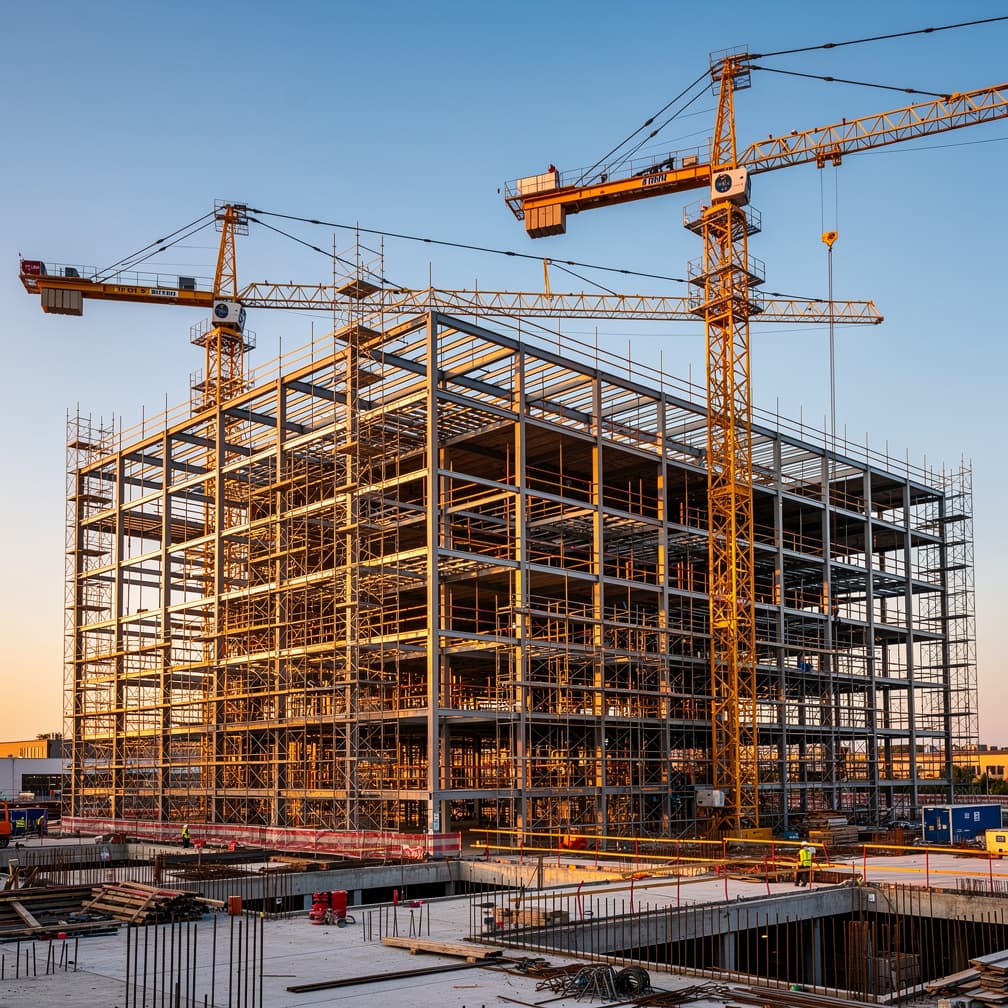
Right after you sign for a downtown renovation, break ground on infill housing, or start a tenant build-out near Rogers Avenue, the insurance question gets practical fast. You need to know what is already on site, what is still in transit, and what value will be sitting unfinished if work stops for a covered loss. A builders risk policy in Fort Smith is usually less about a generic form and more about matching coverage to the kind of project you are actually putting together here. That might be a modest single-family build, a rehab of an older structure, or a commercial interior project with phased deliveries. The local housing baseline matters because Fort Smith's median home value is $168,100, meaning a standard purchase price can fall short of the completed value of labor and materials going into the work. Before you request terms, pin down the construction timeline, storage arrangements, and any owner or lender expectations tied to the site. That groundwork helps the quote reflect the real exposure from day one.
Builders Risk Insurance Risk Factors in Fort Smith
Fort Smith projects often involve a mix of new construction and work on existing structures, which changes how you should review soft spots in the policy. On a remodel or addition, the practical question is where the loss could happen first: in newly installed materials, in temporary storage, or where old and new construction meet during a phase change. Arkansas hazard patterns are already addressed on the state page, but locally the takeaway is still operational: confirm how the policy treats weather-related damage during partial completion, debris removal, and materials waiting to be installed. If your schedule depends on staggered deliveries or temporary protection while a roof, wall, or storefront opening is exposed, ask for those assumptions to be reflected clearly in the application. That is especially important on smaller jobs, where one uncovered gap can erase the margin on the entire project.
Arkansas has a high climate risk rating. Top hazards: Tornado (Very High), Severe Storm (High), Flooding (High), Ice Storm (Moderate). The state's expected annual loss from natural hazards is $920M, which influences builders risk insurance premiums and may affect coverage availability in high-risk areas.
What Builders Risk Insurance Covers
In Arkansas, the practical coverage review starts with where property sits during each phase of the job, not with a generic checklist. A project can have materials in a laydown yard, equipment inside a partially dried-in structure, and owner-supplied items waiting for installation. If your schedule depends on any of those categories, ask whether they are being scheduled the way the site actually operates. That is especially important if deliveries arrive early, if trades stack materials before installation, or if the project includes a renovation where existing and new construction sit side by side.
Arkansas projects can face severe weather that damages roofs, exterior finishes, framing packages, and stored materials before the building envelope is complete. That means you should review how the policy treats temporary protection, debris removal, water-related damage scenarios, and property in transit or at temporary storage locations if those exposures exist on your job. If the work includes mechanical units, custom windows, cabinets, or other long-lead items, make sure the values and locations are described accurately before they are delivered.
Contract language also affects what needs to be reviewed. Owners, general contractors, and lenders may expect specific parties to be included, and the policy should line up with that expectation before the first draw or major delivery. If a form, notice, or policy term is unclear, you should ask for the wording to be explained in plain language before you bind coverage. That step helps you catch gaps around testing, change orders, temporary structures, and delay-related expenses, which are added costs you face when a covered loss pushes back your completion date, while there is still time to correct them.
Coverage Included

Structure Coverage
Covers the building or structure under construction.
Materials on Site
Covers building materials stored at the construction site.

Materials in Transit
Covers materials being transported to the job site.
Temporary Structures
Covers scaffolding, fencing, and temporary buildings.

Soft Costs
Covers additional expenses from construction delays due to covered losses.
Equipment Coverage
Covers permanently installed fixtures and equipment.
Industries & Insurance Needs in Fort Smith
Sebastian County has 3,349 business establishments, and its largest establishment shares are retail trade at 16.1%, health care and social assistance at 14.4%, and accommodation and food services at 9%, so a meaningful share of local builders risk demand comes from tenant improvements, clinic updates, restaurant work, and small commercial renovations rather than only ground-up construction. That matters because these jobs often have occupied-adjacent conditions, tighter completion dates, and owner-driven build specifications that should be reflected before coverage is bound. If your project is a storefront refresh, medical office rework, or hospitality upgrade, do not treat it like a simple shell build. Ask your agent to review renovation scope, protection of installed materials, and whether the policy setup matches phased work inside or next to an operating business.
What Makes Fort Smith Different
Project scale is what changes the calculus here. Fort Smith's median household income is $52,692, so local residential builds, rehabs, and light commercial jobs tend to stay disciplined about cost from the start. That can push owners and contractors to insure only the amount they feel comfortable spending today instead of the value that would actually need to be replaced after a covered loss. On a smaller project, that shortcut is risky because a single theft, fire, or weather event can derail the schedule and force you to pay twice for labor and materials. Build the limit from the completed value of the work going into the project, then review whether temporary storage, transit, and installation sequencing create additional exposure.
Our Recommendation for Fort Smith
Start with the job type, not the address alone. If you are building a house, compare the planned completed value against the local home-price baseline so you do not anchor the limit to a land purchase or an outdated budget. If you are renovating a storefront, clinic, or restaurant space, map the project by phase and identify when materials arrive, where they sit, and when they become part of the structure. For older-building work, review whether demolition, partial occupancy, or tie-ins to existing construction create conditions the underwriter should know before issuing terms. If lender or owner paperwork is involved, line up the named parties and evidence requirements early so coverage can be reviewed before deliveries start or funds are drawn.
Get Builders Risk Insurance in Fort Smith
Enter your ZIP code to compare builders risk insurance rates from carriers in Fort Smith, AR.
Business insurance starting at $25/mo
FAQ
Frequently Asked Questions
Fort Smith home builds should be insured to the completed value of labor and materials going into the project, not just a land price or partial budget. Smaller residential jobs can be especially easy to understate if the limit follows what has been spent so far.
Fort Smith renovation work can still call for builders risk if you have materials, fixtures, or work in place that could be damaged before completion. That is especially relevant on phased remodels where deliveries and installation happen over several stages.
Sebastian County has 3,349 business establishments, with retail, health care, and food service among the largest sectors. That concentration drives steady demand for tenant improvements and occupied-adjacent renovations, so your policy review should match that operational reality.
Fort Smith smaller jobs are often budget-sensitive, but reducing the limit too far can leave you short after a covered loss. Insure the full amount you would need to rebuild or replace work in progress, including materials and labor already on site.
Fort Smith interior build-outs should be reviewed around phased deliveries, installed materials, and any work next to ongoing operations. If the project depends on a tight opening date, ask how the policy handles damage during partial completion and site shutdowns.
The contract usually answers that question first. If it assigns the responsibility to the owner, general contractor, or developer, confirm that in writing and match the policy setup to the project requirements before materials arrive.
Projects often involve lender insurance requirements tied to draws or closing conditions. You should review the loan documents early and make sure the named insured and evidence of coverage match what the lender expects.
Projects should be quoted with site protection and material handling in mind because severe weather can damage exposed work quickly. That is why storage, roof dry-in timing, and temporary protection deserve a detailed review.
Sources
- 1.U.S. Census Bureau, ACS 5-Year Estimates, table B25077(Fort Smith's median home value is $168,100, so many residential jobs are cost-sensitive and can be underinsured if the limit follows a purchase price or partial budget instead of the completed value of labor and materials going into the work.)
- 2.U.S. Census Bureau, County Business Patterns, Sebastian County(Sebastian County has 3,349 business establishments, and its largest establishment shares are retail trade at 16.1%, health care and social assistance at 14.4%, and accommodation and food services at 9%, so a meaningful share of local builders risk demand comes from tenant improvements, clinic updates, restaurant work, and small commercial renovations rather than only ground-up construction.)
- 3.U.S. Census Bureau, ACS 5-Year Estimates, table B19013(Fort Smith's median household income is $52,692, so many local residential builds, rehabs, and light commercial jobs are budget-disciplined from the start.)
Updated July 16, 2026





