








































Updated July 16, 2026

Commercial Property Insurance in Fort Smith
Sebastian County supports 3,349 business establishments. For you, that means landlords and lenders here tend to expect current certificates and accurate building values before they hand over a lease or close a loan. A storefront near Rogers Avenue, a medical office, and a restaurant kitchen present very different property profiles, even when they share similar square footage. Underwriters here usually want a clear picture of tenant improvements, signage, refrigeration, cooking equipment, and any stock that would be expensive to replace after a covered loss. A thin limit can leave you funding repairs or replacement equipment out of pocket while you are trying to reopen. Pull together your lease, recent build-out costs, an equipment list, and photos of the space so the valuation discussion starts from what you actually have on site.
Commercial Property Insurance Risk Factors in Fort Smith
Fort Smith's top risk factors include Tornado damage, Hail damage, Severe storm damage, and Wind damage. 16% of Fort Smith is in a flood zone, commercial property policies should include flood endorsements or separate flood insurance. Tornado damage and Hail damage and Severe storm damage and Wind damage are leading causes of property damage claims, verify your policy covers these perils.
Arkansas has a high climate risk rating. Top hazards: Tornado (Very High), Severe Storm (High), Flooding (High), Ice Storm (Moderate). The state's expected annual loss from natural hazards is $920M, which influences commercial property insurance premiums and may affect coverage availability in high-risk areas.
What Commercial Property Insurance Covers
In Arkansas, commercial property coverage can help protect the physical assets tied to your operation. That includes the building if you own it, plus furniture, fixtures, inventory, computers, signage, and other business property inside the premises. Core perils may include fire, windstorm, hail, theft, vandalism, and water damage from covered causes, which is especially relevant given the state's weather profile. Business personal property coverage is the part that usually responds to equipment, inventory, and furnishings. Building coverage for business applies to the structure itself. Business income coverage can help replace lost revenue and continuing expenses if a covered event forces a temporary closure, which matters in Arkansas where severe storms and tornadoes have caused large-scale disruptions. Equipment breakdown coverage may be added for mechanical or electrical failures, while ordinance or law coverage can help with certain code-driven rebuilding costs after a covered loss. Standard commercial property policies do not include flood damage, so Arkansas businesses in flood-prone areas need a separate flood policy if they want that protection.
Coverage Included
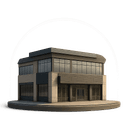
Building Coverage
Can help pay to repair or rebuild your building after covered damage like fire, wind, or vandalism.

Business Personal Property
Can help replace furniture, inventory, equipment, and supplies inside your building when a covered event damages or destroys them.

Business Income
May replace lost revenue and help cover ongoing expenses like payroll and rent while covered damage keeps your business closed.

Equipment Breakdown
Typically covers sudden mechanical or electrical failure of equipment like HVAC systems, boilers, or refrigeration units, which standard property policies often exclude.
Ordinance or Law
Can help cover the added cost of rebuilding to current building codes after a covered loss to an older structure.
Commercial Property Insurance Cost in Fort Smith
Average Cost in Arkansas
$65 - $330
per month
Businesses in Arkansas typically see commercial property insurance premiums of $65 - $330 per month, which tends to run 11% above the national range of $65 - $290 per month.
- Building value and construction type
- Roof age and condition
- Fire protection class
- Occupancy and the operations inside the building
- Business personal property and equipment values
- Wind and hail deductible terms
Contact CPK Insurance for a personalized quote.
Prices shown are general estimates, not guaranteed rates or quotes. Your actual premium will depend on the insurer, coverage selected, business details, location, claims history, and other underwriting factors. Learn about our pricing methodology.
For Arkansas businesses, monthly premiums typically range from $65 to $330, and broader figures show many small businesses paying annual premiums that vary with the risk. Actual pricing depends on the limits, deductibles, and endorsements you choose. Arkansas has an active insurance market with many carriers competing, but premiums still rise or fall based on the property's location, the building's construction type, the fire protection class, occupancy type, and claims history. That matters in Arkansas because the state has a long disaster history that includes 224 declarations overall and 77 major disaster declarations. That volume of declared disasters means carriers price Arkansas property with caution, so maintaining a claims-free record and strong building features can directly lower your premium. A business in a higher-risk county, a structure with older roofing or weaker storm resistance, or a location with prior claims can expect different pricing than a similar operation in a lower-risk area. Premiums also vary by coverage limits, deductible choice, and endorsements such as business income coverage, equipment breakdown coverage, or ordinance or law coverage. Arkansas has a premium index of 91, suggesting statewide pricing can run below the national average, yet catastrophe-prone locations can still move the quote materially. If you want a precise quote, the carrier will usually ask for square footage, construction details, occupancy type, protection features, and any recent loss information.
Industries & Insurance Needs in Fort Smith
Sebastian County's establishment mix leans toward retail trade at 16.1%, health care and social assistance at 14.4%, and accommodation and food services at 9%, so property schedules here often turn on occupancy details more than on square footage alone. A retailer may need closer attention on seasonal inventory swings, display fixtures, and exterior glass. A clinic or care provider may need a better inventory of diagnostic equipment, tenant improvements, and temperature-sensitive contents. A restaurant or lodging operation usually needs the application to describe cooking equipment, refrigeration, grease exposure, and any interruption risk tied to spoiled stock. Those differences affect how you should prepare for quotes. Instead of asking for a generic limit, map the property by category: building items you own, improvements you paid for, equipment by replacement cost, and stock that changes during the year. That gives you a cleaner basis for comparing forms and sublimits across quotes.
What Makes Fort Smith Different
In a market shaped by storefronts, care settings, and food service locations, the question is not simply whether you need coverage for a building or contents. A retail suite with custom shelving, a therapy office with specialized equipment, and a restaurant with walk-ins and cooking lines can all sit in similar commercial corridors, yet they create very different replacement-cost and downtime problems after a covered loss. That is why a local buyer should spend more time on valuation and sublimits than on headline premium alone. If your lease makes you responsible for interior improvements, glass, or signs, ask for those items to be reviewed specifically. If your revenue depends on equipment staying operational, make sure the quote process identifies that dependency before you compare options.
Our Recommendation for Fort Smith
Start with the property schedule, not the price. For this market, ask each quoting agent to separate building coverage, business personal property, tenant improvements and betterments, and any equipment that would delay reopening if it had to be reordered. If you lease, read the repair and insurance clauses line by line so you know whether you are insuring only contents or also interior build-out, glass, or attached fixtures. If your stock levels change through the year, mention that early, because a static inventory estimate can understate what is at risk during your busy periods. Check whether your current limit reflects replacement cost today rather than what you paid years ago for shelving, cabinetry, exam-room improvements, or kitchen equipment. When you request a free, no-obligation quote, bring your lease, a recent inventory, and photos of the premises so each option can be compared on valuation, exclusions, and sublimits.
Get Commercial Property Insurance in Fort Smith
Enter your ZIP code to compare commercial property insurance rates from carriers in Fort Smith, AR.
Business insurance starting at $25/mo
FAQ
Frequently Asked Questions
Sebastian County has 3,349 business establishments. For Fort Smith buyers, that often means facing more formal insurance expectations from landlords, lenders, and contract partners. Accurate property values, occupancy details, and current proof of coverage become more important when you request quotes.
Fort Smith retail businesses should list inventory, display fixtures, point-of-sale equipment, exterior signs, and any tenant improvements they paid for. Retail trade holds 16.1% of establishments in the county. That concentration means local underwriters see enough retail volume to ask detailed stock and fixture questions before quoting.
Sebastian County's health care and social assistance sector accounts for 14.4% of establishments. Fort Smith clinics and care offices should document diagnostic equipment, exam-room improvements, computers, and any temperature-sensitive contents. When that documentation is ready before comparing property limits, your quote can help reflect what you actually own.
Fort Smith restaurant risks are usually reviewed with more attention to cooking equipment, refrigeration, grease exposure, and spoilage-sensitive stock. Accommodation and food services make up 9% of establishments in the county. With nearly one in ten local businesses in this category, expect underwriters to ask pointed questions about kitchen layout and equipment before offering terms.
Fort Smith buyers should compare valuation method, sublimits, and lease-related responsibilities before focusing on premium. A lower-priced option can still leave gaps if it undervalues tenant improvements, equipment, or inventory that would be expensive to replace after a covered loss.
It can help cover the building if you own it, plus business equipment, furniture, fixtures, inventory, computers, and signage against covered perils such as fire, windstorm, hail, theft, vandalism, and water damage from covered causes.
The typical range for the state is $65 to $330 per month, but your final price varies with limits, deductibles, location, construction type, claims history, and endorsements.
Leasing does not remove the need to protect your own property inside the space, such as equipment, inventory, furniture, signage, or tenant improvements, and your lease may also require certain limits.
Sources
- 1.U.S. Census Bureau, County Business Patterns, Sebastian County(Sebastian County supports 3,349 business establishments.; Sebastian County's establishment mix leans toward retail trade at 16.1%, health care and social assistance at 14.4%, and accommodation and food services at 9%.)
Updated July 16, 2026





