








































Updated July 16, 2026

Business Owners Policy Insurance in Fort Smith
Sebastian County supports 3,349 business establishments, which gives you a sizable pool of nearby peers and competitors. That scale means landlords, lenders, and commercial customers often expect organized proof of coverage before a lease, contract, or vendor setup moves forward. If you run a storefront, office, clinic-adjacent service, or customer-facing operation here, the real question is whether your property, liability, and income pieces fit how your location actually earns revenue. A business that depends on daily foot traffic near Rogers Avenue can have a different interruption concern than a professional office with scheduled appointments or a small retailer carrying seasonal inventory. Before you request quotes, it helps to gather your current lease insurance language, your most recent property values, and a realistic estimate of how long income would be disrupted if your space could not open.
Business Owners Policy Insurance Risk Factors in Fort Smith
Fort Smith's top risk factors include Tornado damage, Hail damage, Severe storm damage, and Wind damage. 16% of Fort Smith is in a flood zone, commercial property policies should include flood endorsements or separate flood insurance. Tornado damage and Hail damage and Severe storm damage and Wind damage are leading causes of property damage claims, verify your policy covers these perils.
Arkansas has a high climate risk rating. Top hazards: Tornado (Very High), Severe Storm (High), Flooding (High), Ice Storm (Moderate). The state's expected annual loss from natural hazards is $920M, which influences business owners policy insurance premiums and may affect coverage availability in high-risk areas.
What Business Owners Policy Insurance Covers
What matters is how the policy matches the way your location functions day to day. A retail shop on a town square, a salon in a small strip center, a professional office in a mixed-use building, and a light-service business with tools moving between jobs all create different property and premises liability questions. Your quote should sort out whether your business personal property limit is high enough for furniture, fixtures, stock, computers, and specialized equipment that would be expensive to replace at current prices.
You also want to review tenant improvements and betterments carefully. If you paid for interior buildout, signage, counters, shelving, or flooring, those costs may need to be reflected clearly so a covered loss does not leave you paying to rebuild improvements you assumed were already accounted for. For tenants, that point matters any time the lease shifts repair obligations back to the business.
Business income and extra expense deserve the same practical review. Ask how the policy treats a temporary shutdown, reduced access to the premises, or the need to relocate operations while repairs are completed. If your revenue depends on a single insured location, downtime can hurt more than the direct property damage.
You should also look at ordinary add-ons that may be worth pricing with the base policy, such as equipment breakdown, hired and non-owned auto liability for occasional business driving, or higher limits for valuable papers and electronic data. The goal is to identify the exposures that would actually interrupt your operation and make sure they are addressed before you finalize coverage.
Coverage Included
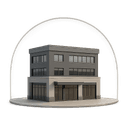
Commercial Property
Can help repair or replace your building, equipment, inventory, and furnishings after covered events like fire, wind, or theft.

General Liability
Can help cover customer injuries, damage to property owned by others, and related legal costs your business becomes responsible for.
Business Income
May replace lost income and help pay rent, payroll, and other continuing expenses while covered damage forces a temporary shutdown.

Equipment Breakdown
Typically covers repair or replacement when equipment like air conditioning, refrigeration, or computers fails from a sudden mechanical or electrical breakdown.
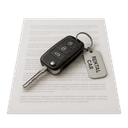
Hired & Non-Owned Auto
May respond when vehicles your business rents or employees' personal cars are used for work and cause an accident.
Business Owners Policy Insurance Cost in Fort Smith
Average Cost in Arkansas
$40 - $170
per month
Businesses in Arkansas typically see business owners policy insurance premiums of $40 - $170 per month, which tends to run close to the national range of $50 - $160 per month.
- Annual revenue and industry class
- Building and contents values
- Square footage and building age
- Catastrophe exposure at your address
- Liability limits and property deductibles
- Claims history
Contact CPK Insurance for a personalized quote.
Prices shown are general estimates, not guaranteed rates or quotes. Your actual premium will depend on the insurer, coverage selected, business details, location, claims history, and other underwriting factors. Learn about our pricing methodology.
Many businesses see premiums starting at $40 to $170 per month, depending on the premises, property values, revenue, payroll, claims history, selected limits, and deductible. At the lower end, a small office with limited walk-in traffic and modest contents may get basic property and liability protection for furniture, computers, and routine premises exposure. Toward the higher end, a retailer with stock on hand, customer slip exposure, and leased improvements that would be costly to replace can expect broader property limits and business income terms that reflect the added risk.
Construction and occupancy details often move the quote more than owners expect. The carrier may look closely at the building age, updates to wiring or plumbing, fire protection, security, and whether you occupy the full space or only part of it. If you are a tenant, the lease can also affect pricing because it may shift responsibility for glass, interior finishes, or certain repairs back to your business.
Your deductible choice changes the monthly cost, but it should be set at a level your business can actually absorb without straining cash flow after a loss. Choosing lower limits to force a cheaper quote can backfire if your inventory, equipment, or buildout costs are understated. On the other hand, some businesses carry more property limit than they need because old estimates were never updated.
The best way to get a useful number is to submit current values, not rough guesses. Gather your lease, recent equipment purchases, inventory counts, and any prior loss information before you request quotes. That gives you a truer comparison between options and makes it easier to decide whether a lower premium is coming from better fit or from reduced protection.
What Makes Fort Smith Different
Business mix is the main thing that changes the buying calculus here. In Sebastian County, retail trade accounts for 16.1% of establishments, health care and social assistance 14.4%, and accommodation and food services 9%, so a large share of local owners run operations where a short closure can stop cash flow almost immediately. Roughly four in ten local businesses rely on foot traffic, scheduled visits, or daily operations rather than long project cycles, which means a multi-week shutdown hits revenue sooner than it would for a project-based firm. A retailer may need closer attention on stock values and seasonal swings, while a health-adjacent office may care more about tenant improvements, equipment inside the suite, and how quickly operations can resume after a covered loss. A restaurant or lodging-related operation usually needs a tighter look at income assumptions because even a brief shutdown can interrupt cash flow fast. Instead of asking for a generic package, it helps to have each quote lay out the property basis, the income approach, and any endorsements that fit your actual occupancy and sales pattern.
Our Recommendation for Fort Smith
It helps to gather your current lease, your property schedule, and your revenue records before you request quotes. If your landlord requires specific limits or additional insured wording, having that language ready lets you compare policies on the same terms. If you occupy a tenant-finished space, check whether improvements and betterments are scheduled in a way that reflects what you paid to build out the location. Fort Smith buyers may also want to pressure-test income assumptions against how the operation really runs, since a shop with steady walk-in traffic, a clinic-support business with booked appointments, and a food service operation do not recover on the same timeline. Look closely at deductibles, waiting periods, and restoration assumptions before renewal.
Get Business Owners Policy Insurance in Fort Smith
Enter your ZIP code to compare business owners policy insurance rates from carriers in Fort Smith, AR.
Business insurance starting at $25/mo
FAQ
Frequently Asked Questions
Sebastian County has 3,349 business establishments, which means you are operating among a large field of local peers. A more specific review helps you align property values, liability terms, and income protection with the way your operation actually functions day to day.
Start with inventory values, tenant improvements, and income assumptions. Retail trade is 16.1% of county establishments and accommodation and food services is 9%, which means a large share of local owners depend on foot traffic that can stop suddenly after a covered event.
Health-adjacent offices often need a closer look before accepting a standard package. Health care and social assistance makes up 14.4% of Sebastian County establishments, and those operations typically depend on scheduled visits, interior build-outs, and fast reopening after a covered loss.
Your income planning should follow your actual sales pattern, fixed expenses, and recovery timeline. If a short closure would disrupt payroll, rent, or supplier commitments, it may help to review your income limit and waiting period before you renew.
The Arkansas Insurance Department provides regulatory information and complaint resources for policyholders statewide. You can verify licensing, review consumer guidance, or file a formal complaint through their office. Ready to compare options? Request a quote through CPK Insurance and we may match you with participating licensed providers.
Start with what you would personally have to replace after a covered loss: furniture, equipment, stock, and any paid-for buildout. Review the lease first, because repair obligations inside the space often determine whether your property limit is realistic.
Landlords often want proof of liability coverage before occupancy and may also expect evidence that your business property is insured. A quote should be reviewed against the lease so certificate requests, additional insured needs, and property responsibilities line up.
Businesses with a small office and regular field work often can use this policy, but the review should focus on where property is kept, whether customers visit, and how often tools or laptops leave the premises.
Sources
- 1.U.S. Census Bureau, County Business Patterns, Sebastian County(Sebastian County supports 3,349 business establishments, so local owners compete in a market where landlords, lenders, and commercial customers often expect organized proof of coverage before a lease, contract, or vendor setup moves forward.; In Sebastian County, retail trade accounts for 16.1% of establishments, health care and social assistance 14.4%, and accommodation and food services 9%, so a large share of local small businesses depend on premises access, customer movement, and day-to-day continuity rather than long project cycles.)
- 2.Arkansas Insurance Department(Fort Smith policyholders can use the Arkansas Insurance Department for regulatory information and complaint resources.)
Updated July 16, 2026





