
Updated July 16, 2026

Commercial Crime Insurance in Fort Smith
Retail, health care, and food service set the tone for how many local firms handle cash, cards, refunds, inventory, and shift-based staffing. In Sebastian County, retail trade accounts for 16.1% of establishments, health care and social assistance 14.4%, and accommodation and food services 9%, which means roughly four in ten local businesses deal with daily transactions and customer-facing payments. These sectors tend to combine high transaction volume with delegated authority at the counter, in the office, or across shifts, so a lot of businesses here rely on front-line employees, daily receipts, purchasing authority, and frequent vendor interactions. That mix can raise questions about employee dishonesty, forged checks, counterfeit currency, and social engineering exposures, especially if one person opens mail, posts payments, and reconciles accounts. The county also has 3,349 business establishments, a footprint small enough that even solo operators often share bookkeeping, delivery, or banking access with outside vendors. If that sounds like your operation, it may help to document who can issue refunds, approve credits, change payee details, or move funds before requesting a quote.
About Commercial Crime Insurance in Fort Smith, AR
This coverage is built to respond to financial losses tied to employee theft, forgery and alteration, computer fraud, funds transfer fraud, and money and securities losses. In practical terms, that means a policy can be tailored to protect against dishonest acts by employees, false check or document changes, fraudulent electronic instructions, and theft involving cash or negotiable instruments. Arkansas does not set a statewide minimum crime policy limit or a mandated crime endorsement for businesses, so the coverage form and limits depend on your carrier, your operations, and the exposures you disclose during underwriting.
Because the Arkansas Insurance Department regulates the market, you should review your policy terms carefully for any exclusions, sublimits, waiting periods, or employee definitions that affect recovery. Coverage can vary by whether the loss comes from a direct employee act, a third-party fraud event, or a funds transfer initiated under false pretenses. Some policies may also include social engineering or client property held in your care, but those additions vary by form and endorsement rather than by state law. For businesses that process payments or manage multiple locations, sublimits and exclusion language can determine whether a claim is paid in full or capped well short of your actual loss. A policy that fits your bookkeeping controls in one city may need different limits or endorsements in another part of the state.
Coverage Included

Employee Theft
Can help reimburse your business when an employee steals money, inventory, equipment, or other company property.
Forgery & Alteration
May cover losses when someone forges or alters your business checks, drafts, or other financial instruments.
Computer Fraud
Can help cover money or property stolen when a criminal uses a computer to fraudulently transfer it from your business.
Funds Transfer Fraud
May reimburse funds lost when a fraudster tricks your bank into transferring money out of your account with fake instructions.
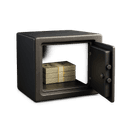
Money & Securities
Typically covers theft, disappearance, or destruction of cash and securities inside your premises or while being transported.
Commercial Crime Insurance Cost in Fort Smith
Average Cost in Arkansas
$20 - $95
per month
Businesses in Arkansas typically see commercial crime insurance premiums of $20 - $95 per month, which tends to run 4% below the national range of $25 - $95 per month.
- Employees who handle money or inventory
- Internal controls and separation of duties
- Funds and securities on hand
- Limit and deductible on each insuring agreement
- Prior employee theft, forgery, or fraud losses
Contact CPK Insurance for a personalized quote.
Prices shown are general estimates, not guaranteed rates or quotes. Your actual premium will depend on the insurer, coverage selected, business details, location, claims history, and other underwriting factors. Learn about our pricing methodology.
Pricing in Arkansas is shaped by a market that generally sits below the national average. Broader small-business averages run $20 to $95 per month, so your final price can vary based on the carrier, the policy form, and how much protection you choose. A premium index of 91 means carriers in Arkansas generally price about 9% below the national baseline, which gives you more room to negotiate limits and endorsements for the same dollar.
Several state-specific factors can move your quote. Arkansas has 280 active insurers, which creates more quote variation across carriers and gives you room to compare. The state's elevated tornado risk can also affect underwriting for businesses with dispersed records, cash handling, or inventory controls that need stronger continuity planning. A retailer in Jonesboro with cash drawers and frequent deposits may be priced differently than a professional office in Conway with limited payment volume. If your business has more employees, more locations, or more funds-transfer activity, the premium usually reflects that wider exposure.
What Makes Fort Smith Different
In the county containing Fort Smith, these same industries shape how money moves through a typical business day. A restaurant may trust a manager with deposits and voids, a clinic may let staff handle patient payments and vendor invoices, and a retailer may split receiving, stocking, and register duties across several employees in the same week. Those are ordinary operating patterns, but they create more points where theft, alteration, or fraudulent instruction can slip through if controls are informal. Your policy can work better when it reflects how money actually moves through your business rather than a generic limit. Consider who takes payment, who approves credits, who can change banking details, and who reconciles the books. That is usually where this coverage becomes either useful or too narrow.
Our Recommendation for Fort Smith
Begin with your authority map, not your lease or your property schedule. If your business handles daily receipts, inventory adjustments, patient balances, catering deposits, or frequent vendor payments, your bookkeeping process can be a useful reference point for the quote. In a market supported by many small and midsize operators, one person often wears several hats, and that is where separation of duties can break down. Buyers should be ready to describe who opens mail and endorses checks, who can issue refunds or add a vendor, and whether online banking changes require dual approval. If you use a third-party bookkeeper or let managers move money between locations, mentioning that early can help the quote reflect those exposures. The gap between employee theft, forgery or alteration, and funds transfer fraud wording usually appears in the endorsement details, not in the declarations page.
Get Commercial Crime Insurance in Fort Smith
Enter your ZIP code to compare commercial crime insurance rates from carriers in Fort Smith, AR.
Business insurance starting at $25/mo
FAQ
Frequently Asked Questions
Businesses in retail and food service often look into it sooner because these sectors tend to combine high transaction volume with delegated authority at the counter, in the office, or across shifts.
Health care and social assistance firms may benefit from documenting who takes patient payments, issues refunds, and approves vendors before comparing terms.
Sebastian County has 3,349 business establishments, a footprint small enough that many firms share bookkeeping, vendor, and banking access with outside parties.
A simple workflow summary can help: who handles deposits, who can issue credits, who approves invoices, and whether banking changes need two people.
Fort Smith has a median household income of $52,692, which means many local customers spend cautiously and a single bad debt or fraud event can ripple through your receivables faster than it would in a higher-income market. Limits may be worth considering alongside your operating cushion, not just a minimal compliance mindset.
For Arkansas businesses, this coverage can respond to employee theft, forgery and alteration, computer fraud, funds transfer fraud, and money and securities losses. Some policies may also add social engineering or client property held in your care through specific endorsements.
The policy is designed to reimburse covered financial losses after a dishonest act or fraudulent transfer is documented. The exact trigger depends on the form, the employee definition, and whether the loss came from a direct act, a forged instrument, or a transfer instruction.
General liability may not cover employee theft, fraud, or embezzlement losses. Arkansas businesses that handle cash, checks, wires, or securities usually need a separate crime policy or a crime endorsement to address those exposures.
Sources
- 1.U.S. Census Bureau, County Business Patterns, Sebastian County(In Sebastian County, retail trade accounts for 16.1% of establishments, health care and social assistance 14.4%, and accommodation and food services 9%.; The county has 3,349 business establishments.)
- 2.U.S. Census Bureau, ACS 5-Year Estimates, table B19013(Fort Smith has a median household income of $52,692.)
Updated July 16, 2026