







































Updated July 16, 2026

Garage Keepers Insurance in Fort Smith
Fort Smith shops hold customer vehicles longer than most owners plan for. If your operation regularly keeps cars while parts are delayed, bays stay full, or finished vehicles sit outside before pickup, your policy deserves a closer look around custody flow rather than square footage alone. The real question is how well your limit matches a shop juggling repair work, retail-adjacent traffic, and after-hours storage.
Garage Keepers Insurance Risk Factors in Fort Smith
Fort Smith's top risk factors include Tornado damage, Hail damage, Severe storm damage, and Wind damage.
Arkansas has a high climate risk rating. Top hazards: Tornado (Very High), Severe Storm (High), Flooding (High), Ice Storm (Moderate). The state's expected annual loss from natural hazards is $920M, which influences garage keepers insurance premiums and may affect coverage availability in high-risk areas.
What Garage Keepers Insurance Covers
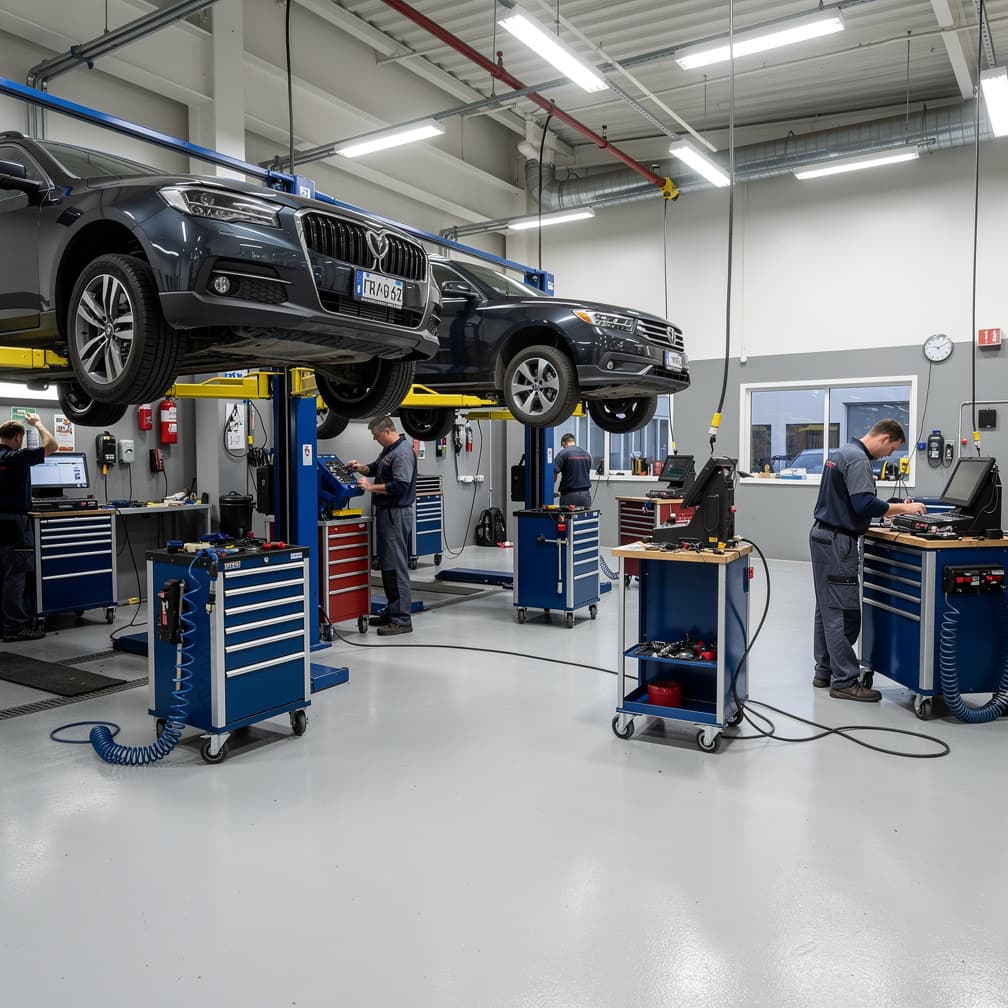
The useful review is not the broad national definition. It is the chain of custody inside your operation. Start with where customer vehicles spend time, including front aprons, fenced side lots, indoor bays, overflow parking, tow intake areas, or separate storage locations. Each handoff changes the loss scenario you need the policy to contemplate.
For many garages, the biggest exposure is not a dramatic shop fire or a major storm headline. It is the ordinary accumulation of vehicles waiting on approval, parts, supplements, or pickup. A sedan may arrive for brake work, get parked outside overnight, then be moved twice before service starts. A pickup may sit through a weekend because the owner cannot collect it. A tow-in may remain on site while coverage or payment is sorted out. Those are the moments to test whether your limits and coverage basis match your actual custody load.
You should also review how the policy interacts with the rest of your garage program. If employees road test vehicles, shuttle them between buildings, or reposition them tightly on the lot, your agent should separate these issues from business auto, garage liability, property, and inland marine questions. That separation reduces confusion after a claim. It matters even more if you handle higher value trucks, modified vehicles, or customer units with tools and equipment left inside.
Buyers should ask for plain language on indoor versus outdoor storage, weather-related loss scenarios, theft controls, vandalism concerns, and whether unattended after hours drop offs create any special underwriting conditions. The goal is to match the policy to how vehicles are actually received, parked, secured, moved, and released at your location. Your coverage basis needs to contemplate the exact conditions present during your longest overnight hold.
Coverage Included

Collision Coverage
Covers damage to customers' vehicles from collisions while in your care.

Comprehensive Coverage
Covers theft, vandalism, fire, and weather damage to customers' vehicles.
Specified Perils
Covers only specifically named perils at a lower premium.

Legal Liability
Covers damage you or your employees directly cause to a customer's vehicle.

Direct Primary
Pays regardless of fault, the broadest garage keepers coverage available.
Industries & Insurance Needs in Fort Smith
Sebastian County's business mix changes the demand pattern around local vehicle service operations. Retail trade accounts for 16.1% of county establishments, health care and social assistance 14.4%, and accommodation and food services 9%, so customer vehicles often move on tight schedules tied to commuting, errands, shift work, and short pickup windows rather than long planned downtimes. For a garage operation, that can mean more pressure to park vehicles temporarily, reshuffle cars for access, or hold completed units until the owner can return.
That does not create a universal price point, but it does change what you should review in a quote. If your shop serves drivers who need same-day turnaround or leave vehicles during work shifts, ask how your garage keepers limit aligns with peak accumulation, not average daily count. It also helps to describe whether completed vehicles stay overnight, whether staff reposition cars across the lot, and whether your busiest periods cluster around retail and service traffic patterns.
What Makes Fort Smith Different
Vehicle accumulation is the real local issue. Sebastian County has 3,349 business establishments, which means steady commercial activity can put more autos on your lot at once than the floor plan suggests. A modest-sized operation can still end up with a surprisingly high number of customer vehicles in its care on a normal week. Bays fill up, parts sit on backorder, and finished cars wait for pickup. That is why the buying decision usually turns on operational concentration rather than a unique city rule. Your quote should reflect your real peak count, where vehicles are stored overnight, and whether staff routinely move customer cars between service areas and release spots. Build your policy around the busiest day you actually have, not the average day you hope for.
Our Recommendation for Fort Smith
Start with a site-use review before you compare forms. Count the highest number of customer vehicles you have had on the premises at one time during the last few months, then break that down into categories: inside, outside, waiting on parts, completed but unclaimed, or parked for the next workday. That gives a participating provider a cleaner picture than a rough car-count estimate. Next, describe movement control in plain terms. If only certain employees handle keys, if vehicles sit in fenced sections, or if completed units are staged separately from unrepaired cars, say so. Those details frame how your operation actually handles custody. You should also review whether your limit still makes sense if several higher-value vehicles are present at once, especially during busy stretches.
Get Garage Keepers Insurance in Fort Smith
Enter your ZIP code to compare garage keepers insurance rates from carriers in Fort Smith, AR.
Business insurance starting at $25/mo
FAQ
Frequently Asked Questions
Fort Smith buyers usually need to focus on peak vehicle accumulation, not just building size. Sebastian County has 3,349 business establishments, so a busy local shop can have more customer autos on site at once than expected. Quote around your busiest day and overnight storage pattern.
Fort Smith body shops should include completed but unclaimed vehicles in the discussion if those cars remain in your care. A quote works better when you separate in-process units, finished vehicles, and any overnight outdoor staging instead of giving one blended estimate.
Sebastian County business activity can affect how vehicles cycle through your lot. With retail trade at 16.1%, health care and social assistance at 14.4%, and accommodation and food services at 9%, many customers work around shift schedules and delayed pickup windows.
Fort Smith repair shops should revisit coverage after any change in storage habits, staffing, or vehicle flow. If you now hold more cars outside, keep vehicles overnight more often, or move customer autos across more parking areas, your prior limit may need review.
Fort Smith operations differ based on how many vehicles they hold and how they control keys, parking, and release. Customers may delay pickup around work and budget timing, which can leave completed vehicles on site longer. That makes your real storage pattern worth spelling out.
Yes. Any time customer vehicles remain on site overnight, custody questions get harder once the owner is gone and the vehicle is parked under your procedures rather than theirs. The same applies to short-stay shops where vehicles stack up during the day, since custody is custody regardless of the clock.
Body shops usually get a better quote review by listing maximum vehicles outside, how long they stay there, what security protects the lot, and when overflow parking is used during heavy repair volume. Carriers want specifics, so the more detail you provide about fencing, lighting, and camera coverage, the more accurate the pricing tends to be.
The state insurance department regulates how policies are filed and how complaints are handled. Review policy forms, complaint procedures, and any coverage questions with that regulator in mind before binding. That includes checking how exclusions and coverage basis are presented in the forms you are asked to sign.
Sources
- 1.U.S. Census Bureau, County Business Patterns, Sebastian County(Sebastian County has 3,349 business establishments, so many shops here work in a market where customer convenience, vendor timing, and steady vehicle turnover can put more autos on site at once than the floor plan suggests.; Retail trade accounts for 16.1% of county establishments, health care and social assistance 14.4%, and accommodation and food services 9%, so customer vehicles often move on tight schedules tied to commuting, errands, shift work, and short pickup windows rather than long planned downtimes.)
Updated July 16, 2026





