







































Updated July 5, 2026

Liquor Liability Insurance in Fort Smith
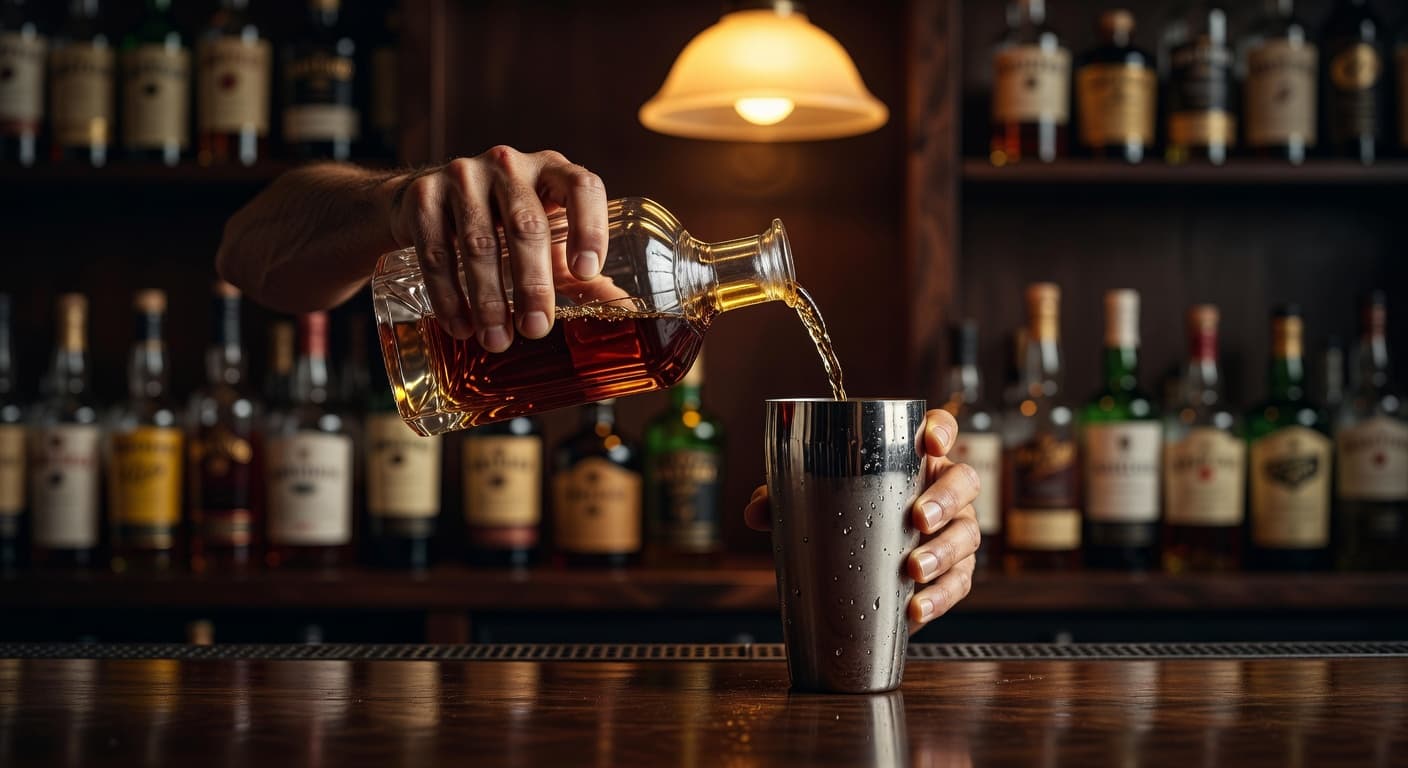
A Friday dinner rush turns into a claim when a guest leaves your bar, causes an off-premises accident, and the injured party’s attorney asks for incident logs, staff training records, and proof of liquor liability insurance in Fort Smith. Here, that exposure often sits inside a practical, value-conscious hospitality market, where a disputed overservice claim can threaten cash flow faster than many owners expect. Fort Smith’s median household income is $52,692, so many operators compete on accessible pricing, steady repeat traffic, private events, and drink promotions that keep tabs moving without leaving much room for an uninsured lawsuit or a large retention. That makes the buying decision less about broad theory and more about matching limits, assault and battery wording, and event-related exposure to how you actually sell and serve alcohol. If your business pours at the bar, bundles drinks into event packages, or relies on weekend volume, review how your policy handles staff service mistakes, security incidents, and defense costs before renewal or before you add a new alcohol revenue stream.
About Liquor Liability Insurance in Fort Smith, AR
A full-service restaurant that serves cocktails with dinner has a different exposure than a taproom with long dwell times, a caterer pouring at weddings, or a retailer offering in-store tastings. Your quote should be built around those facts, because the policy language often turns on service model, event activity, and who is furnishing the alcohol.
As you compare forms, look closely at how the policy may help cover allegations tied to intoxication, service to a minor, and incidents that happen after a patron leaves your premises. Defense cost treatment matters too. Some forms handle legal expenses inside the limit, which can reduce what remains to resolve a claim, while others may be structured differently. If your business uses promoters, door staff, or third-party security, ask how those relationships affect the policy and whether contracts need to be reviewed alongside the insurance.
Arkansas businesses should also check for exclusions or sublimits that can materially change the value of the policy in practice. Assault and battery wording is one of the first places to look if you operate late, have entertainment, or manage crowded service periods. If you cater, confirm whether off-site service is automatically contemplated or needs to be specifically described. If you host private events, ask whether each event type fits the underwriting narrative you submitted. The goal is simple: line up the policy with your actual alcohol operations before a claim tests the wording.
Coverage Included

Bodily Injury Liability
Can help cover injuries an intoxicated patron causes to others after your business served or sold them alcohol.

Property Damage Liability
May pay for property damage caused by an intoxicated customer your establishment served, such as a car crash after leaving.
Assault & Battery
Can help cover claims arising from fights or physical altercations involving intoxicated patrons at your bar or restaurant.
Defense Costs
May pay for attorneys, court fees, and related legal expenses when your business is sued over an alcohol-related incident.

Host Liquor Liability
Can help cover alcohol-related claims from events where you host or serve drinks without selling them, like company parties.
Liquor Liability Insurance Cost in Fort Smith
Average Cost in Arkansas
$45 - $190
per month
Businesses in Arkansas typically see liquor liability insurance premiums of $45 - $190 per month, which tends to run 19% below the national range of $50 - $240 per month.
- Share of sales that comes from alcohol
- Type of venue and how late you serve
- Server training and service procedures
- State dram shop law
- Liquor liability limits selected
- Prior over-service or assault claims
Contact CPK Insurance for a personalized quote.
Prices shown are general estimates, not guaranteed rates or quotes. Your actual premium will depend on the insurer, coverage selected, business details, location, claims history, and other underwriting factors. Learn about our pricing methodology.
Cost in Arkansas usually moves with operational detail more than with a single headline number. Underwriters commonly look at your alcohol receipts, the share of sales coming from liquor versus beer or wine, your closing time, entertainment exposure, security practices, prior incidents, and whether you serve on-premises, off-premises, or both. A quiet restaurant with controlled table service can rate differently from a late-night bar, and a venue with frequent private events can present a different profile than a package store with no on-site consumption.
Many businesses see premiums from $45 to $190 per month, depending on alcohol sales volume, hours of service, claims history, limits, and the policy's treatment of higher-hazard exposures. A small restaurant with limited alcohol sales and early closing times may sit near the lower end, while a busy venue with late-night service, live music, and frequent private events can expect to approach the higher end. That range is only a starting point for planning, so use it to budget rather than to set expectations. It does not tell you whether a quote includes the endorsements your lease, distributor agreement, or event contract may require.
The practical way to shop is to submit a complete application the first time. Include your estimated alcohol receipts, event schedule, security procedures, staff training approach, and any prior carrier loss information you can provide. If you leave gaps, the quote may come back with conservative assumptions, tighter terms, or follow-up questions that slow issuing. Also compare deductible structure, defense cost handling, and exclusions before focusing on premium alone. A lower monthly number can cost more later if the form is narrower than your operation requires.
Industries & Insurance Needs in Fort Smith
In Sebastian County, there are 3,349 business establishments, and accommodation and food services account for 9% of establishments. That county mix matters because alcohol service here is not limited to stand-alone bars. It often shows up inside restaurants, event spaces, hotels, and mixed-service venues where liquor liability can be overlooked until a lease, lender, or contract asks for proof of coverage. The same county data shows retail trade at 16.1% and health care and social assistance at 14.4%, so many local operators compete in a broader service economy where customer experience, hours of operation, and staffing consistency affect how alcohol is sold. If your venue adds drink service to stay competitive, ask for a quote that reflects your actual alcohol receipts, closing time, security practices, and whether bartenders work private events off-site. That is usually more useful than buying a generic policy built for a pure nightclub.
What Makes Fort Smith Different
The key difference here is operational overlap. In this market, alcohol exposure often sits inside businesses that are not built around late-night bar traffic alone. A restaurant may add cocktails to raise ticket size, a venue may host weddings with temporary bar setups, and a hotel lounge may serve guests as one part of a broader operation. That changes the insurance calculus because your liquor liability review has to follow the service model, not just the business label on your application. A carrier will usually want a clearer picture of who serves, when alcohol is cut off, whether minors could be present at events, and how incidents are documented. If your alcohol sales are seasonal, secondary, or tied to private functions, ask whether the policy is written for your real mix of dine-in service, catered events, and hosted gatherings. That is where coverage gaps tend to appear.
Our Recommendation for Fort Smith
Start with the parts of your operation that create the hardest claim to defend. If staff serve alcohol at private events, confirm the policy contemplates off-site service and not just your main premises. If security is informal, review whether the form addresses assault and battery allegations and related defense costs, because those claims can arrive alongside overservice allegations. If alcohol is a smaller share of revenue, do not assume a package policy automatically solves the exposure. Ask the agent to separate general liability from liquor liability so you can see what is actually being insured. It is also worth checking whether your lease, distributor agreement, or event contracts require specific limits or additional insured wording. If you are renewing, bring loss runs, alcohol sales estimates, hours of service, and written serving procedures so the quote reflects your operation as it exists now, not as it looked a year ago.
Get Liquor Liability Insurance in Fort Smith
Enter your ZIP code to compare liquor liability insurance rates from carriers in Fort Smith, AR.
Business insurance starting at $25/mo
FAQ
Frequently Asked Questions
Fort Smith restaurants often need liquor liability reviewed separately from general liability because alcohol service creates its own claim path. If drinks are part of dinner service, happy hour, or private events, ask for a quote built around alcohol receipts and service practices.
Fort Smith event venues should confirm whether the policy contemplates hosted events, third-party bartenders, and off-site or temporary bar setups. Before booking, review contract requirements, additional insured requests, and how incidents are documented if a guest is alleged to be overserved.
Sebastian County has 3,349 business establishments, with accommodation and food services making up 9%, so alcohol exposure often sits inside restaurants, hotels, and event spaces rather than only stand-alone bars. That is a reason to match coverage to your actual service model.
Fort Smith bar owners usually get a more usable quote by providing alcohol sales, hours of service, security procedures, prior claims, and whether staff work private events. That gives the underwriter a clearer view of overservice, premises, and event-related exposure.
Fort Smith’s median household income is $52,692, so many hospitality businesses compete in a value-conscious market where margins can be tighter. That makes defense costs, deductibles, and uncovered allegations worth reviewing before you rely on alcohol sales for growth.
Arkansas policyholders can turn to the Arkansas Insurance Department for insurance complaint and consumer information resources. If you are comparing forms or disputing policy handling, keep the regulator's process in mind while you review endorsements, exclusions, and certificate requirements.
Yes. If your venue furnishes alcohol at weddings or private rentals, you likely need liquor liability coverage regardless of how infrequent those events are. Review your contracts to see whether insurance obligations are shifted back to the venue.
Arkansas restaurants and late-night bars usually do not present the same underwriting profile. Service hours, alcohol sales mix, entertainment, security, and crowd patterns can all change the quote, so limits and endorsements should be reviewed against actual operations.
Sources
- 1.U.S. Census Bureau, ACS 5-Year Estimates, table B19013(Fort Smith’s median household income is $52,692, so many operators compete on accessible pricing, steady repeat traffic, private events, and drink promotions that keep tabs moving without leaving much room for an uninsured lawsuit or a large retention.)
- 2.U.S. Census Bureau, County Business Patterns, Sebastian County(In Sebastian County, there are 3,349 business establishments, and accommodation and food services account for 9% of establishments.; The same county data shows retail trade at 16.1% and health care and social assistance at 14.4%, so many local operators compete in a broader service economy where customer experience, hours of operation, and staffing consistency affect how alcohol is sold.)
Updated July 5, 2026





