Updated July 16, 2026

On-Hook Towing Insurance in Fort Smith
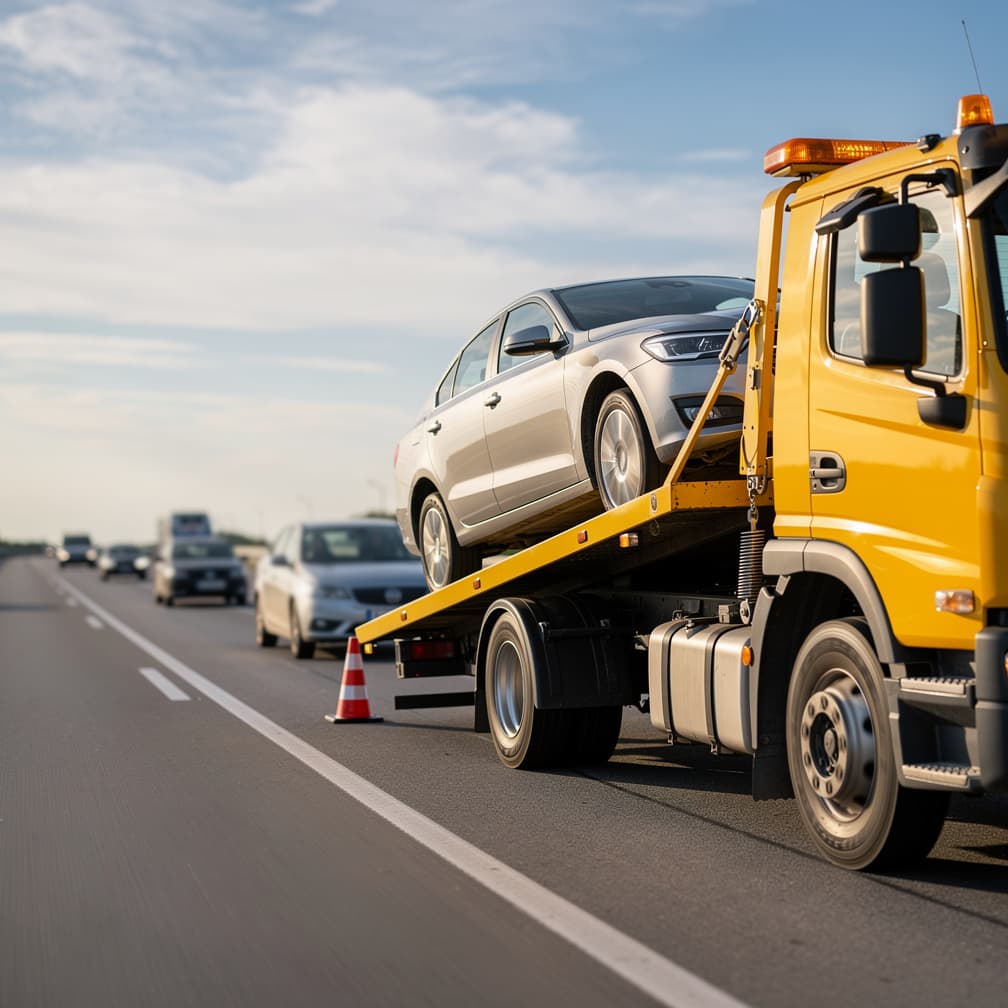
A tow operator here often works a mixed day. You might handle apartment and retail calls near Rogers Avenue, disabled vehicles along I-540, and dealer or repair-shop moves where keys, condition photos, and drop instructions have to stay straight from pickup to release. Your policy should reflect your actual handoff points, storage habits, and the kinds of vehicles you move most often. A local account can swing from a quick private-property tow to a scheduled transport for a body shop, and each step changes where damage allegations start. Sebastian County has 3,349 business establishments. That is roughly one business for every 32 county residents, so your client pool is dense enough to keep a tow truck busy without traveling far. If your drivers rotate between wheel-lift work, flatbed hauls, and after-hours calls, your policy terms may be matched to those routines.
On-Hook Towing Insurance Risk Factors in Fort Smith
Fort Smith's top risk factors include Tornado damage, Hail damage, Severe storm damage, and Wind damage.
Arkansas has a high climate risk rating. Top hazards: Tornado (Very High), Severe Storm (High), Flooding (High), Ice Storm (Moderate). The state's expected annual loss from natural hazards is $920M, which influences on-hook towing insurance premiums and may affect coverage availability in high-risk areas.
What On-Hook Towing Insurance Covers
The most useful coverage review starts with the handoff points where disputes usually begin. A customer may agree the vehicle was disabled before the tow, then later question damage around the bumper, rocker panel, wheel, undercarriage, or drivetrain after delivery. Your loading method, tie-down routine, and destination paperwork are central to how your on-hook protection should be reviewed. A flatbed operator handling low-clearance cars has a different exposure from a wheel-lift unit towing pickups from muddy shoulders, and that difference should show up in the quote request.
State conditions also shape the conversation. When a clear morning turns into an afternoon of flash flooding and storm debris, your drivers face loading and transport conditions that can shift a routine tow into a complicated claim. If your drivers work during severe weather, ask how the policy responds to damage allegations tied to shifting cargo, contact during loading, or problems discovered at drop-off after a difficult tow. If you take police rotation calls, private property impounds, or accident recoveries, note that in the application so the carrier can evaluate those higher-severity situations, such as winching a vehicle from a ditch or recovering one from a flood zone, separately from scheduled dealer moves.
You should also review how your on-hook terms interact with the rest of your towing program. The cleaner your service breakdown, the easier it is to request limits and terms that fit each unit instead of forcing one broad description onto the whole fleet.
Coverage Included
Collision on Hook
Covers damage to towed vehicles from collisions during transport.
Comprehensive on Hook
Covers theft, fire, and weather damage to vehicles being towed.
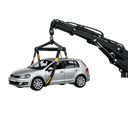
Loading & Unloading
Covers damage during the process of loading and unloading vehicles.
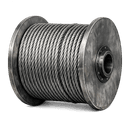
Winching Coverage
Covers damage to vehicles during winching and recovery operations.
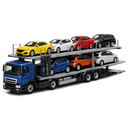
Multiple Vehicle
Covers all vehicles on multi-car carriers and rollback flatbeds.
Industries & Insurance Needs in Fort Smith
Sebastian County business mix matters because it shapes the vehicles you are most likely to take into your care. Retail trade accounts for 16.1% of county establishments, health care and social assistance 14.4%, and accommodation and food services 9%, so local towing demand often includes customer vehicles from shopping areas, employee vehicles from medical offices, and parking-lot removals tied to restaurants and lodging. That mix can create frequent short-haul tows with tight access lanes, busy lots, and more handoffs involving property managers, front-desk staff, or shop personnel rather than the vehicle owner. For an on-hook quote, that means you should describe where vehicles are picked up, who authorizes the tow, how condition is documented, and whether your drivers handle more impounds, breakdowns, or scheduled shop transfers. Those details help an underwriter judge claim potential more accurately than a generic description of towing operations.
What Makes Fort Smith Different
Your real exposure is not just about distance traveled. It is about repeated custody changes where the owner may not be present when the vehicle is loaded. Documenting pre-tow condition, authorization, keys, and release procedures every single time can help reduce disputes. Fort Smith median household income is $52,692. That works out to about $1,010 per week before taxes, so many households have limited room in the budget for a rental car or rideshare while a towed vehicle sits in your lot. Many customer vehicles you handle are essential household transportation, so even minor damage or delay can escalate quickly into a serious complaint because the vehicle is tied to work, school, or medical appointments. If your operation handles a lot of short local moves, your limits, deductibles, and claims procedures may fit that pattern instead of assuming a broad towing description tells the full story.
Our Recommendation for Fort Smith
Start your review with the jobs that create the most disagreement after the tow, not the jobs that feel routine. If you regularly pick up from apartment complexes, retail centers, clinics, or restaurant lots, your on-hook coverage may respond to alleged damage discovered at delivery rather than at pickup. List truck types, whether you use wheel-lifts or flatbeds more often, typical tow destinations, after-hours volume, and who signs for release. If different drivers handle impounds, dealer moves, and body-shop transfers, note that too, because underwriters look for operational consistency. Your photo process, dispatch records, and key-control steps may also be relevant when shopping coverage. If a policy form or endorsement is unclear, it may be verified before binding and filing or licensing questions can be confirmed through the Arkansas Insurance Department if needed.
Get On-Hook Towing Insurance in Fort Smith
Enter your ZIP code to compare on-hook towing insurance rates from carriers in Fort Smith, AR.
Business insurance starting at $25/mo
FAQ
Frequently Asked Questions
Include truck type, usual tow sources, storage arrangements, and how drivers document vehicle condition. Sebastian County has 3,349 business establishments, so your client mix may include a variety of property and business types. That volume means more handoffs where the owner is absent, so underwriters may want to see how you track custody from pickup to release.
Short-haul towing still deserves close review because many claims start at hookup, in a tight lot, or during unloading rather than on a long trip. If you do frequent apartment or retail removals, your policy terms may fit repeated handoffs and absent owners.
Sebastian County business mix matters because retail trade is 16.1%, health care and social assistance 14.4%, and accommodation and food services 9%. Put differently, roughly 4 in 10 county businesses are in sectors that regularly call for parking-lot tows, employee vehicle removals, or manager-authorized pickups. Your procedures can be described clearly in the application.
Fort Smith households often rely heavily on one vehicle for daily routines. Median household income is $52,692, so a typical household earns about $1,010 per week before taxes. A damaged or delayed vehicle can disrupt work, school, or appointments, so even small condition disputes should be anticipated with photos, timestamps, and release records.
A flatbed doing scheduled transports presents a different damage pattern from a wheel-lift unit taking roadside and impound calls. Your application should describe each use clearly so the underwriter can evaluate them on their own terms.
Wet pavement, debris, flooding, and wind affect loading and transport conditions, which can turn a normal tow into a higher-dispute job. That is why carriers often want a clear picture of your documentation process and the kinds of calls you accept.
Bring a truck list, driver roster, service descriptions, dispatch records, and any pre-tow photo or inspection procedures. The more clearly you show how each unit is used, the easier it is to compare terms that actually fit your operation.
Arkansas impound-focused operators may still want to review on-hook terms carefully because damage allegations can arise during hookup, transport, and unloading. If your work includes tight parking areas or after-hours towing, make sure those conditions are reflected in the quote request.
Sources
- 1.U.S. Census Bureau, County Business Patterns, Sebastian County(Sebastian County has 3,349 business establishments, so there are a lot of landlords, retailers, clinics, restaurants, and service businesses that may call for towing, impounds, or vehicle relocations.; Retail trade accounts for 16.1% of county establishments, health care and social assistance 14.4%, and accommodation and food services 9%, so local towing demand often includes customer vehicles from shopping areas, employee vehicles from medical offices, and parking-lot removals tied to restaurants and lodging.)
- 2.U.S. Census Bureau, ACS 5-Year Estimates, table B19013(Fort Smith median household income is $52,692, so many customer vehicles you handle are essential household transportation, and even minor damage or delay can escalate quickly into a serious complaint because the vehicle is tied to work, school, or medical appointments.)
- 3.Arkansas Insurance Department(If a policy form or endorsement is unclear, verify it before binding and, if needed, confirm filing or licensing questions through the Arkansas Insurance Department.)
Updated July 16, 2026