Updated July 16, 2026

Business Owners Policy Insurance in Arkansas
When you request a quote, the first pass is not about chasing a low number. It is about matching your operation to the right property, liability, and income-loss details so the quote is usable when a landlord, lender, or client asks for proof. For a business owners policy, that usually means gathering your lease terms, square footage, buildout details, inventory values, equipment lists, payroll, and how customers or vendors move through the premises. If you prepare those details before you apply, you give yourself a better chance at a quote with limits and deductibles that fit the way you actually operate. A generic package can leave gaps around tenant improvements, seasonal stock swings, or off-premises property. Businesses also benefit from checking who owns what inside the space, whether that is the landlord, the tenant, or both, because that changes how commercial property values should be scheduled. A cleaner submission usually leads to fewer follow-up questions, faster binding, and less chance that you discover a mismatch only after a loss.
What Business Owners Policy Insurance Covers
What matters is how the policy matches the way your location functions day to day. A retail shop on a town square, a salon in a small strip center, a professional office in a mixed-use building, and a light-service business with tools moving between jobs all create different property and premises liability questions. Your quote should sort out whether your business personal property limit is high enough for furniture, fixtures, stock, computers, and specialized equipment that would be expensive to replace at current prices.
You also want to review tenant improvements and betterments carefully. If you paid for interior buildout, signage, counters, shelving, or flooring, those costs may need to be reflected clearly so a covered loss does not leave you paying to rebuild improvements you assumed were already accounted for. For tenants, that point matters any time the lease shifts repair obligations back to the business.
Business income and extra expense deserve the same practical review. Ask how the policy treats a temporary shutdown, reduced access to the premises, or the need to relocate operations while repairs are completed. If your revenue depends on a single insured location, downtime can hurt more than the direct property damage.
You should also look at ordinary add-ons that may be worth pricing with the base policy, such as equipment breakdown, hired and non-owned auto liability for occasional business driving, or higher limits for valuable papers and electronic data. The goal is to identify the exposures that would actually interrupt your operation and make sure they are addressed before you finalize coverage.
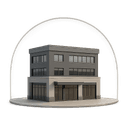
Commercial Property
Can help repair or replace your building, equipment, inventory, and furnishings after covered events like fire, wind, or theft.

General Liability
Can help cover customer injuries, damage to property owned by others, and related legal costs your business becomes responsible for.

Business Income
May replace lost income and help pay rent, payroll, and other continuing expenses while covered damage forces a temporary shutdown.

Equipment Breakdown
Typically covers repair or replacement when equipment like air conditioning, refrigeration, or computers fails from a sudden mechanical or electrical breakdown.
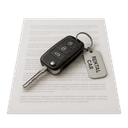
Hired & Non-Owned Auto
May respond when vehicles your business rents or employees' personal cars are used for work and cause an accident.
Business Owners Policy Insurance Requirements in Arkansas
- State law does not require a business owners policy, but landlords and lenders in Arkansas routinely make coverage a condition of leases and loans, so check your agreements before assuming you can operate without it.
- Seasonal inventory swings common to retail and tourism-driven businesses should be described clearly up front, because a flat stock estimate can leave you short during peak periods.
- If your operation sits in a multi-tenant building, ask how the fire protection system serves the entire structure, because a shared system can affect both eligibility and pricing.
- Wind and hail exposure varies by region, so confirm whether your quote includes or excludes those perils before binding.
How Much Does Business Owners Policy Insurance Cost in Arkansas?
Average Cost in Arkansas
$40 - $170
per month
Businesses in Arkansas typically see business owners policy insurance premiums of $40 - $170 per month, which tends to run close to the national range of $50 - $160 per month.
- Annual revenue and industry class
- Building and contents values
- Square footage and building age
- Catastrophe exposure at your address
- Liability limits and property deductibles
- Claims history
Contact CPK Insurance for a personalized quote.
Many businesses see premiums starting at $40 to $170 per month, depending on the premises, property values, revenue, payroll, claims history, selected limits, and deductible. At the lower end, a small office with limited walk-in traffic and modest contents may get basic property and liability protection for furniture, computers, and routine premises exposure. Toward the higher end, a retailer with stock on hand, customer slip exposure, and leased improvements that would be costly to replace can expect broader property limits and business income terms that reflect the added risk.
Construction and occupancy details often move the quote more than owners expect. The carrier may look closely at the building age, updates to wiring or plumbing, fire protection, security, and whether you occupy the full space or only part of it. If you are a tenant, the lease can also affect pricing because it may shift responsibility for glass, interior finishes, or certain repairs back to your business.
Your deductible choice changes the monthly cost, but it should be set at a level your business can actually absorb without straining cash flow after a loss. Choosing lower limits to force a cheaper quote can backfire if your inventory, equipment, or buildout costs are understated. On the other hand, some businesses carry more property limit than they need because old estimates were never updated.
The best way to get a useful number is to submit current values, not rough guesses. Gather your lease, recent equipment purchases, inventory counts, and any prior loss information before you request quotes. That gives you a truer comparison between options and makes it easier to decide whether a lower premium is coming from better fit or from reduced protection.
| BOP Component | What's Included | Typical Limits |
|---|---|---|
| General Liability | Third-party injury, property damage, advertising injury | $1M/$2M |
| Commercial Property | Building, equipment, inventory, fixtures | Replacement cost |
| Business Interruption | Lost income + ongoing expenses during shutdown | 12 months coverage |
| Cyber (Endorsement) | Data breach response and liability | $50K to $100K |
| EPLI (Endorsement) | Employment discrimination, harassment claims | $50K to $250K |
| Equipment Breakdown | Mechanical/electrical equipment failure | Varies by equipment value |
General Liability
- What's Included
- Third-party injury, property damage, advertising injury
- Typical Limits
- $1M/$2M
Commercial Property
- What's Included
- Building, equipment, inventory, fixtures
- Typical Limits
- Replacement cost
Business Interruption
- What's Included
- Lost income + ongoing expenses during shutdown
- Typical Limits
- 12 months coverage
Cyber (Endorsement)
- What's Included
- Data breach response and liability
- Typical Limits
- $50K to $100K
EPLI (Endorsement)
- What's Included
- Employment discrimination, harassment claims
- Typical Limits
- $50K to $250K
Equipment Breakdown
- What's Included
- Mechanical/electrical equipment failure
- Typical Limits
- Varies by equipment value
How Arkansas compares with the national baseline
Property crime per 100,000 residents
3,250 vs 2,200 baseline
Property crime in Arkansas runs above the national average, at 3,250 vs 2,200 incidents per 100,000 residents.
Blue bar: Arkansas. Gray line: national baseline.
Prices shown are general estimates, not guaranteed rates or quotes. Your actual premium will depend on the insurer, coverage selected, business details, location, claims history, and other underwriting factors. Learn about our pricing methodology.
Request a Quote Comparison
Enter your ZIP code to compare business owners policy insurance rates from top carriers.
Business insurance starting at $25/mo
Who Needs Business Owners Policy Insurance?
Businesses that get the most value from this policy are usually the ones with a physical location, business property inside that location, or revenue that would be disrupted by a covered loss. That includes main street retailers, offices that meet clients in person, salons and personal service businesses, small wholesalers, studios, and many service firms that keep tools, computers, or stock at a leased space. If you sign a commercial lease, you often need to think beyond basic liability and review what property you would have to replace yourself if the space were damaged.
This matters even more if your business has invested in the interior of the premises. Custom counters, treatment rooms, display fixtures, shelving, flooring, and signage can represent a meaningful out-of-pocket loss if they are not reflected properly in the quote. The same goes for businesses that rely on one location for most of their sales. A short closure can create a cash-flow problem long before repairs are finished.
Some owners also need this policy because other parties expect evidence of coverage before work begins or before keys are handed over. Landlords, lenders, and some commercial clients may ask for certificates, additional insured status on the liability side, or proof that business personal property is insured.
If your operation is home-based, mobile, or split between a small office and field work, the answer is less automatic. You may still want a quote, but the review should focus on where property is kept, whether customers visit, and whether your income depends on one insured premises. That is where a tailored quote becomes more useful than a one-size-fits-all package.
Business Owners Policy Insurance by City in Arkansas
Business Owners Policy Insurance rates and coverage options can vary across Arkansas. Select your city below for localized information:
How to Buy Business Owners Policy Insurance
Start the quote process by organizing the details that underwriters usually ask for after the first application. Have your legal business name, entity type, mailing address, and operating address ready, but also gather the practical items that shape the quote: lease responsibilities, square footage, year of build if known, renovation details, alarm or sprinkler information, estimated annual revenue, payroll, and a current list of business personal property. If you have made tenant improvements, separate those costs from movable equipment and inventory so the values are easier to review.
Next, map how the premises are actually used. Note whether customers come inside, whether you store stock on site, whether tools or laptops leave the premises, and whether any part of the operation is seasonal. Those details help determine whether the base form is enough or whether endorsements should be priced alongside it. If you have had prior claims, be ready to explain what happened and what changed afterward, because that context can matter as much as the loss itself.
Before finalizing, compare quotes line by line instead of looking only at premium. Check property limits, deductible, business income terms, optional coverages, and any exclusions that affect your operation. If one quote is materially cheaper, ask what was reduced or omitted. That question often reveals whether you are comparing equivalent protection. If you want to verify licensing or consumer resources while you shop, the Arkansas Insurance Department provides a public lookup tool where you can confirm a producer's license and access consumer complaint information. Use that step as a final check, then request a free, no-obligation quote through CPK Insurance to compare your options with participating licensed providers.
How to Save on Business Owners Policy Insurance
The safest way to lower cost is to improve the quality of the submission before you ask carriers to price it. Accurate property values, a clear description of operations, and current loss information reduce the chance of padded assumptions that push the premium up. If your inventory changes during the year, explain the normal range instead of giving a rushed estimate that may overstate or understate the exposure.
You can also save by tightening the fit of the policy. Review whether your property limit still matches what you actually own, including furniture, equipment, stock, and tenant improvements. Some businesses keep paying for values tied to old purchases or a prior location. Others understate improvements and then have to increase limits later under time pressure. A scheduled review before renewal is usually cheaper than correcting a mismatch after a claim or after a landlord asks for updated proof.
Deductible strategy matters too. A higher deductible can reduce premium, but only choose an amount your business can fund from operating cash without disrupting payroll, rent, or vendor payments. Security features, building updates, and housekeeping around slip hazards or fire exposure may also help the account present better to underwriters, especially if those improvements are documented clearly.
Finally, ask for quotes that use the same assumptions so you can compare them fairly. Bring your lease, current asset list, and any recent upgrades to the quote request, then review where the savings come from before you decide.
Our Recommendation for Arkansas
The most important step is to treat the quote like an operational review, not a formality. Start by separating your values into clear buckets: inventory, equipment, furniture, and tenant improvements. That makes it easier to spot whether the property limit is realistic and whether a lower-priced option is simply carrying less value than you need. If your business depends on one location, spend extra time on business income and extra expense terms, because a short shutdown can create more strain than the direct repair bill.
Ask for the quote to reflect how your premises are used now, not how it looked when you first opened. Changes in foot traffic, added services, new equipment, or a remodeled space can all affect the fit of the policy. When you are ready, compare deductibles and exclusions carefully.
FAQ
Frequently Asked Questions
Start with what you would personally have to replace after a covered loss: furniture, equipment, stock, and any paid-for buildout. Review the lease first, because repair obligations inside the space often determine whether your property limit is realistic.
Landlords often want proof of liability coverage before occupancy and may also expect evidence that your business property is insured. A quote should be reviewed against the lease so certificate requests, additional insured needs, and property responsibilities line up.
Businesses with a small office and regular field work often can use this policy, but the review should focus on where property is kept, whether customers visit, and how often tools or laptops leave the premises.
Quote requests move faster when you provide current property values, lease terms, square footage, payroll, revenue, prior losses, and a clear description of customer traffic. Clean submissions usually produce fewer follow-up questions and more usable comparisons.
Most businesses should. A deductible only works as a savings tool if you can pay it without disrupting rent, payroll, or vendor obligations after a covered loss. Set it at a level your operating cash can realistically absorb.
The Arkansas Insurance Department handles licensing and consumer information for the state. You can use their public tools to confirm a producer's license and review consumer resources while shopping.
Retail and office businesses often ask to price endorsements alongside the base policy, especially for equipment breakdown, valuable papers, or electronic data concerns. The right choice depends on what would actually interrupt your operation if something failed.
A BOP bundles general liability insurance, commercial property insurance, and business interruption coverage into a single policy at a discounted rate. Most BOPs can be customized with endorsements for cyber liability, employment practices liability, professional liability, equipment breakdown, and more.
Sources
- 1.Arkansas Insurance Department(Arkansas lists insurance oversight through the Arkansas Insurance Department.)
Updated July 16, 2026