Updated July 16, 2026

Builders Risk Insurance in Little Rock
Property managers, lenders, and general contractors in Little Rock usually want proof that a course of construction policy is in place before materials are staged, draws move, or a renovation team gets access to an occupied building. Satisfying that request locally often means showing a clean certificate path, matching the project address exactly, and listing the owner, lender, or GC the contract requires before work starts. Local projects also span very different property values, so the limit you request needs to track the actual completed value and the materials already committed to the job, not a rough placeholder. With a median home value of $221,200, even a modest residential build can carry enough replacement cost that a partial loss wipes out most of the owner's margin if the limit is short. Bring your construction budget, timeline, and any lender or owner insurance requirements to the quote request so the policy matches the job you are actually building.
Builders Risk Insurance Risk Factors in Little Rock
Little Rock site planning is not just about the structure going up, but about where materials sit between delivery and installation and how long partially completed work stays exposed. Arkansas faces multiple natural hazards at the state level, so local buyers should review whether the policy form handles the causes of loss most relevant to the project, any waiting periods, and how temporary storage or scaffolding is treated. That review matters more on phased renovations, roof work, and projects where materials arrive early to avoid delays. If your job includes owner-supplied finishes, long lead items, or equipment that will be stored before installation, ask for those details to be **scheduled clearly instead of assuming they are picked up automatically**. The practical step is to map the build sequence, storage locations, and handoff dates before binding, then compare that against the policy terms while there is still time to correct gaps.
Arkansas has a high climate risk rating. Top hazards: Tornado (Very High), Severe Storm (High), Flooding (High), Ice Storm (Moderate). The state's expected annual loss from natural hazards is $920M, which influences builders risk insurance premiums and may affect coverage availability in high-risk areas.
What Builders Risk Insurance Covers
In Arkansas, the practical coverage review starts with where property sits during each phase of the job, not with a generic checklist. A project can have materials in a laydown yard, equipment inside a partially dried-in structure, and owner-supplied items waiting for installation. If your schedule depends on any of those categories, ask whether they are being scheduled the way the site actually operates. That is especially important if deliveries arrive early, if trades stack materials before installation, or if the project includes a renovation where existing and new construction sit side by side.
Arkansas projects can face severe weather that damages roofs, exterior finishes, framing packages, and stored materials before the building envelope is complete. That means you should review how the policy treats temporary protection, debris removal, water-related damage scenarios, and property in transit or at temporary storage locations if those exposures exist on your job. If the work includes mechanical units, custom windows, cabinets, or other long-lead items, make sure the values and locations are described accurately before they are delivered.
Contract language also affects what needs to be reviewed. Owners, general contractors, and lenders may expect specific parties to be included, and the policy should line up with that expectation before the first draw or major delivery. If a form, notice, or policy term is unclear, you should ask for the wording to be explained in plain language before you bind coverage. That step helps you catch gaps around testing, change orders, temporary structures, and delay-related expenses, which are added costs you face when a covered loss pushes back your completion date, while there is still time to correct them.
Coverage Included

Structure Coverage
Covers the building or structure under construction.

Materials on Site
Covers building materials stored at the construction site.

Materials in Transit
Covers materials being transported to the job site.
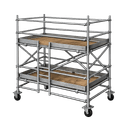
Temporary Structures
Covers scaffolding, fencing, and temporary buildings.

Soft Costs
Covers additional expenses from construction delays due to covered losses.

Equipment Coverage
Covers permanently installed fixtures and equipment.
Industries & Insurance Needs in Little Rock
Pulaski County business density changes the builders risk conversation because many local projects are not ground-up homes, but tenant improvements, office buildouts, clinic updates, and retail renovations with multiple stakeholders watching the schedule. The county has 12,229 business establishments, and the leading sectors by establishment share are retail trade at 13.8%, health care and social assistance at 13.1%, and professional, scientific, and technical services at 12.6%, so a lot of work here touches occupied or revenue-producing space where delay, access, and certificate requirements matter early. That should push you to request terms with the full project story: whether the building stays open, whether the owner is supplying materials, who needs to be shown, and when deliveries begin. If your project serves a tenant opening date or a medical or professional occupancy deadline, raise that at quote stage so the policy structure can be reviewed around the actual operational pressure on the job.
What Makes Little Rock Different
Renovating an occupied building is where most course-of-construction policies need the closest review. A meaningful share of projects involve improving existing homes, storefronts, offices, and service spaces rather than building on a clean, empty site. That shifts the insurance review toward phasing, access, and property values that can vary sharply from one neighborhood or commercial corridor to the next. Little Rock's median household income is $60,583, which means many owners improve in stages rather than gutting and rebuilding all at once. That staging can create coverage questions around when materials are delivered, when a phase is considered complete, and whether the limit still matches the value at risk as the job evolves. If your project is a renovation, ask for the policy to be reviewed phase by phase against the construction schedule, especially if the owner occupies part of the property or expects the space to reopen on a fixed date.
Our Recommendation for Little Rock
Pull together the contract package first, then layer in the operating details that smaller city jobs tend to overlook. For a remodel or tenant improvement, let the quoting team know up front if the building is occupied, whether any section stays open to customers or staff, and how long materials will sit on site before installation. If a lender, property manager, or general contractor is asking for proof, send the exact entity names and the project address as they appear in the paperwork so certificates and forms do not have to be corrected midstream. On residential work, compare the requested limit against the completed value and the scope of improvements, not just the original purchase price or a rough budget note. On commercial work, flag any lease commencement date, opening deadline, or owner-furnished materials early.
Get Builders Risk Insurance in Little Rock
Enter your ZIP code to compare builders risk insurance rates from carriers in Little Rock, AR.
Business insurance starting at $25/mo
FAQ
Frequently Asked Questions
Little Rock projects often move faster when your proof of coverage matches the contract exactly, including the project address and any required owner, lender, or contractor interests. Having those documents ready at the outset keeps certificates and additional-insured forms from holding up the first draw.
Renovation jobs often need closer review because phasing, partial occupancy, and stored materials can change what is exposed to loss at each stage. Ask how the policy handles work in place, temporary storage, and any owner-supplied materials before binding.
Pulaski County has 12,229 business establishments, which means a large share of nearby work happens inside operating storefronts and offices rather than on vacant lots. **That makes certificates, stakeholder requirements, and schedule details worth sorting out early in the quote process.**
Review the limit against the completed value, committed materials, and scope of work instead of using a placeholder number. A gap between the insured value and the true replacement cost is what turns a manageable incident into a project-stopping loss.
Phased remodels are easier to place when you send the construction budget, timeline, delivery schedule, and any lender or owner insurance requirements together. If the space stays occupied during work, note that up front so the policy terms reflect the actual job conditions.
The contract usually answers that question first. If it assigns the responsibility to the owner, general contractor, or developer, confirm that in writing and match the policy setup to the project requirements before materials arrive.
Projects often involve lender insurance requirements tied to draws or closing conditions. You should review the loan documents early and make sure the named insured and evidence of coverage match what the lender expects.
Projects should be quoted with site protection and material handling in mind because severe weather can damage exposed work quickly. That is why storage, roof dry-in timing, and temporary protection deserve a detailed review.
Sources
- 1.U.S. Census Bureau, ACS 5-Year Estimates, table B25077(With a median home value of $221,200, even a modest residential build or major remodel can carry enough value that underinsuring the site creates a real gap if work in place is damaged.)
- 2.U.S. Census Bureau, County Business Patterns, Pulaski County(The county has 12,229 business establishments, and the leading sectors by establishment share are retail trade at 13.8%, health care and social assistance at 13.1%, and professional, scientific, and technical services at 12.6%, so a lot of work here touches occupied or revenue-producing space where delay, access, and certificate requirements matter early.)
- 3.U.S. Census Bureau, ACS 5-Year Estimates, table B19013(Little Rock's median household income is $60,583, so many owners are making careful, budgeted improvement decisions and may stage work in phases instead of one uninterrupted build.)
Updated July 16, 2026