







































Updated July 10, 2026

Why Tree Service Businesses Need Insurance
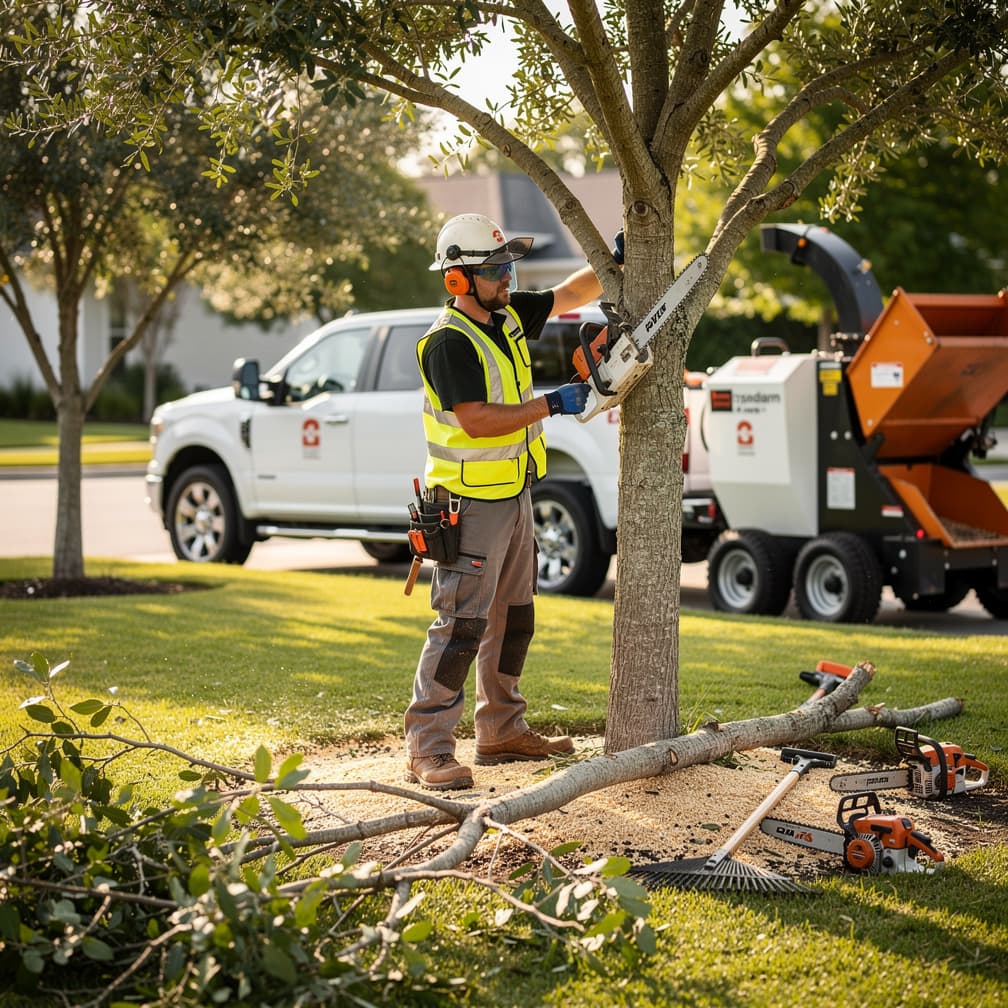
Most tree service claims do not come from abstract risk. They come from ordinary work done in tight spaces, under time pressure, with heavy equipment and little room for error. A useful tree service insurance review starts by separating your operation into the parts that create loss: climbing and rigging, felling and sectioning, chipping and hauling, driving between sites, and storing or transporting equipment.
General liability insurance is usually the first coverage owners ask about because your work happens around customer property and the public. If a limb damages a roof, a log cracks a driveway, or debris injures a bystander, that claim lands there first in most cases. The details matter. A business focused on ornamental pruning may have a different liability profile than a crew doing crane-assisted removals or storm cleanup. If you work near fences, pools, parked cars, or commercial storefronts, ask for limits that fit the size of the property damage claim you could realistically cause, not just the minimum needed to get a certificate out the door.
Workers compensation insurance deserves the same level of attention. Tree work combines heights, saws, rigging, lifting, and fast-changing ground conditions. A crew member can be hurt while climbing, feeding a chipper, loading rounds, or directing a drop zone. Payroll, job duties, and crew mix all affect how this coverage is reviewed, so your quote should reflect who climbs, who runs ground operations, and whether you use seasonal labor or subcontracted help. If you rely on subcontractors, clarify how certificates are collected and whether uninsured subs could create a problem for your business after an injury.
Commercial auto insurance is not just about getting legal plates on a truck. Tree service vehicles often carry tools, tow trailers, back into narrow driveways, and park along active streets while crews work overhead. A chip truck clipping a gatepost, a trailer incident on the way to a job, or an accident involving a loaded dump body can create a costly interruption even before repairs begin. Review every titled vehicle, who drives it, where it travels, and whether employees take vehicles home.
Inland marine insurance is the coverage that separates a basic policy package from one that actually follows the way a tree company works. Chainsaws, climbing gear, blowers, rigging equipment, stump grinders, and other mobile tools can be stolen from a truck, damaged on site, or lost while moving between locations. If your equipment list is incomplete or outdated, a claim can turn into an argument over what was scheduled and what value was reported. Keep a current inventory with serial numbers, replacement costs, and where each item is typically stored.
Commercial umbrella insurance becomes more relevant as job size and contract demands increase. Large removals, municipal work, commercial property managers, and higher value homes can all raise the stakes of a liability loss. Umbrella coverage earns its place when the underlying general liability and auto limits may not be enough for a severe claim.
The strongest quote process is operational, not generic. List your services separately, note whether you climb, use lifts, grind stumps, or handle emergency work, and gather your vehicle and equipment details before you shop. Then compare policy terms, exclusions, and certificate requirements side by side so you are buying coverage built for the jobs you actually take.
Recommended Coverage for Tree Service Businesses
Based on the risks tree service businesses face, these coverage types are essential:

General Liability
Essential coverage for every business, protect against third-party bodily injury, property damage, and advertising claims.

Workers Compensation
Help cover your employees' medical expenses and lost wages for work-related injuries and illnesses.

Commercial Auto
Protect your business vehicles and drivers with comprehensive commercial auto coverage.

Inland Marine
Protect tools, equipment, and goods in transit or stored at locations away from your primary premises.

Commercial Umbrella
Extend your liability limits beyond your primary policies for extra protection against catastrophic claims.
Common Risks for Tree Service Businesses
- A limb or trunk section damages a roof, siding, fence, or driveway during tree removal.
- A customer, visitor, or passerby is injured by falling debris, equipment, or a slip and fall at the jobsite.
- A climber or ground worker is hurt while cutting, rigging, lifting, or clearing brush.
- A truck, trailer, or crew vehicle is involved in a vehicle accident while hauling equipment between jobs.
- Chippers, saws, rigging gear, lifts, or other mobile property are damaged, stolen, or lost in transit.
- A contract requires specific liability limits, proof of workers comp, or an umbrella layer before work can start.
Get Your Tree Service Insurance Quote
Compare rates from multiple carriers. Free quotes, no obligation.
What Happens Without Proper Coverage?
Tree work leaves a narrow margin for error, and the claims tend to be severe rather than frequent. A limb that swings wrong does not lightly scratch a roof, it goes through it, and a climber’s fall or a chipper injury is never a paperwork event. Severity is why this trade gets underwritten carefully and why unusually cheap quotes deserve a closer look: the losses that matter here are the ones that test limits.
One incident also tends to cascade. The same dropped section can damage the house, injure a bystander, and put your best climber out of work in a single afternoon, touching three different policies at once. Reviewing coverages in isolation misses that pattern, so pressure-test the program against your worst realistic job, including the crane-assisted removal or the storm callout at dusk.
Work rarely starts without paperwork either. Homeowners associations, municipalities, and commercial property managers ask for certificates before a crew arrives, and larger contracts specify limits and additional insured wording. A certificate that takes a week to produce costs you the jobs that could not wait.
Finally, the equipment your revenue depends on rides around in open trailers. Saws, climbing kits, and stump grinders are portable, visible, and easy to sell, which makes them a theft target, and losing a grinder mid-season stalls scheduled work immediately. Keep a current inventory with serial numbers and replacement costs so a loss becomes a claim instead of an argument.
Insurance Tips for Tree Service Owners
Break out pruning, removals, stump grinding, emergency storm work, and consulting services before quoting, because each activity can change liability, payroll, and equipment scheduling decisions.
Review who climbs, who operates aerial lifts, who runs saws, and who only handles ground cleanup, because workers compensation classification starts with actual job duties.
List every truck, trailer, chip body, and dump unit with normal drivers and use patterns, so your commercial auto review matches how vehicles move between jobs.
Keep a current equipment schedule for chainsaws, climbing gear, rigging kits, stump grinders, and blowers, because inland marine claims often depend on accurate descriptions and values.
Ask whether your larger residential, municipal, or commercial contracts require higher liability limits, additional insured wording, or waiver language before you promise a certificate.
Clarify how you use subcontractors and how you collect certificates from them, because uninsured or misclassified labor can create expensive problems after an injury or damage claim.
Compare umbrella options after you set your general liability and auto limits, because excess coverage only helps if the underlying policies are structured for your real exposure.
How Much Does Tree Service Insurance Cost?
Tree Service Insurance is a bundle of separate policies, priced separately. The ranges below are typical figures nationally for each line, except workers compensation, which is rated per $100 of payroll; a quote prices each one against your own operations.
| Coverage | Typical range | What moves your price |
|---|---|---|
| General Liability Insurance | $290 - $950 per month | Industry and risk classification, annual revenue, number of employees |
| Workers Compensation Insurance | $0.75 - $2.74 per $100 of payroll | Employee classification codes, total annual payroll, experience modification rate |
| Commercial Auto Insurance | $330 - $1,075 per month | Fleet size and vehicle types, driver records and experience, coverage limits and deductibles |
| Inland Marine Insurance | $65 - $280 per month | Total insured value of the scheduled property, type and age of the equipment, where it is stored and how far it travels |
| Commercial Umbrella Insurance | $130 - $480 per month | Umbrella limit requested, limits carried on the underlying policies, loss history on those underlying policies |
Prices shown are general estimates, not guaranteed rates or quotes. Your actual premium will depend on the insurer, coverage selected, business details, location, claims history, and other underwriting factors. Learn about our pricing methodology.
FAQ
Frequently Asked Questions About Tree Service Insurance
General liability, workers compensation, commercial auto, inland marine, and umbrella coverage are the usual five. Whether you need all of them depends on whether you climb, remove large trees, run heavy equipment, haul debris, or sign contracts that require certificates.
Smaller jobs still carry property damage, customer injury, tool theft, and vehicle exposure. Your limits and equipment schedule can be lighter than a removal contractor’s, but the coverage categories stay the same.
Damage to a house, fence, or driveway during a removal is the classic general liability claim in this trade. How it resolves depends on your policy terms and limits, so read the exclusions before the job, not after the limb lands.
Climbing, rigging, chainsaw use, chipping, and hauling create some of the most serious injury exposure in any trade. With employees on the crew, this coverage anchors the program, and classifications should track who climbs versus who works the ground.
Pickups, dump trucks, chip trucks, and other titled units used in the business belong on a commercial auto policy. Raise trailers and attached equipment during the quote too, so the policy reflects how you actually transport tools and debris.
Mobile tools and equipment: saws, climbing gear, rigging kits, stump grinders, and similar items that travel between job sites or live in trucks and trailers. It fills the gap a fixed-location property policy leaves for gear that never stays home.
Consider it when you handle large removals, work around expensive property, or sign contracts calling for higher liability limits. An umbrella adds a layer above the underlying policies, and it only works if those base coverages are structured correctly first.
Start with a clear list of services, payroll by job duty, vehicles, trailers, equipment, and subcontractor use. Comparing policy terms and certificate requirements side by side against those facts beats shopping on premium alone.
Updated March 31, 2026