







































Updated July 10, 2026

Why Warehouse Businesses Need Insurance
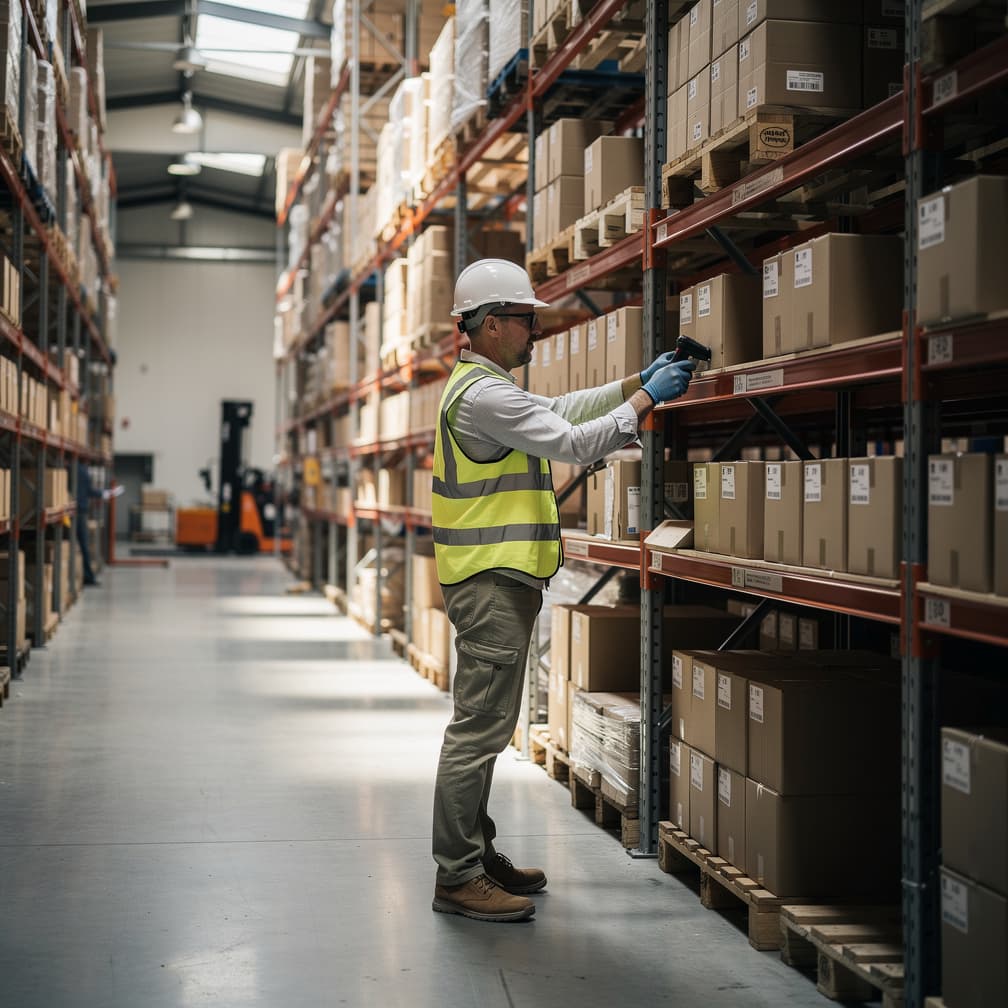
Warehouse operations create layered risk because property, people, and movement all concentrate in one place. You are not only storing goods. You are receiving trailers, unloading freight, scanning and staging product, moving pallets through aisles, loading outbound shipments, and keeping the building safe for employees and visitors. Insurance for a warehouse works best when it is built around that workflow rather than treated like a basic office or retail account.
Commercial property insurance is usually the foundation. If you own the building, the policy review should address the structure, attached features, office buildout, and warehouse improvements that would be expensive to repair after fire, storm damage, vandalism, or a major water loss. If you lease, you still may need to insure betterments, fixtures, office contents, racking, and other business personal property inside the space. The details matter because a warehouse loss often damages more than one category at the same time. A roof problem can affect stored stock, packaging materials, scanners, and the area needed for outbound orders.
General liability insurance should be reviewed around the people who come onto the premises and the way they move through it. Slip and fall claims can start in the parking lot, at the entrance, or on the warehouse floor near active loading areas. Driver check in procedures, pedestrian markings, housekeeping, lighting, and dock safety all influence how exposed your operation is to third party injury claims. If customers or vendors tour the facility, that should be reflected in the application.
Workers compensation insurance is central for warehouse businesses because the work is physical and repetitive. Lifting, picking, wrapping, loading, and forklift activity can all lead to injuries that affect staffing and output. Payroll, job duties, use of temporary labor, and the split between office and floor employees should be described carefully. A quote built on the wrong payroll assumptions can leave you correcting classifications later.
Inland marine insurance often becomes important when your business relies on mobile equipment, tools, scanners, or property that moves between locations or sits away from the main premises. It can also help when your operation has exposure tied to goods in transit or equipment used beyond the warehouse floor, depending on policy terms. This is one of the areas where a generic package can miss how your business actually functions.
Commercial umbrella insurance is often considered when you have larger premises exposure, frequent truck traffic, contractual insurance requirements, or concern about a severe injury claim. Umbrella limits are usually reviewed after the underlying property, liability, and workers compensation structure is clear, not before.
Cost is driven by operational details more than by the label warehouse alone. Underwriters usually look at construction, occupancy, protection features, the type and value of goods stored, theft attractiveness, fire load, ceiling height, racking configuration, payroll, claims history, and the limits and deductibles you request. A clean, well managed facility with documented safety practices presents differently than a crowded operation with inconsistent housekeeping and heavy turnover.
Before you buy or renew, map your operation the way a claim would unfold. Identify where stock is most vulnerable, which equipment would stop fulfillment if it failed, how long you could operate after a building loss, and what your lease or customer contracts require. That gives you a better basis for reviewing limits, deductibles, and endorsements than shopping on price alone.
Recommended Coverage for Warehouse Businesses
Based on the risks warehouse businesses face, these coverage types are essential:

Commercial Property
Safeguard your business property, equipment, and inventory against damage and loss.

General Liability
Essential coverage for every business, protect against third-party bodily injury, property damage, and advertising claims.

Workers Compensation
Help cover your employees' medical expenses and lost wages for work-related injuries and illnesses.

Inland Marine
Protect tools, equipment, and goods in transit or stored at locations away from your primary premises.

Commercial Umbrella
Extend your liability limits beyond your primary policies for extra protection against catastrophic claims.
Common Risks for Warehouse Businesses
- Fire damage to stored inventory, racking, and building contents
- Storm damage affecting roof sections, dock doors, or exterior storage areas
- Theft of inventory, tools, mobile property, or valuable papers
- Vandalism that damages doors, windows, shelving, or loading areas
- Forklift accidents that damage stock, racks, or customer property on site
- Slip and fall or customer injury claims in dock, aisle, or receiving areas
Get Your Warehouse Insurance Quote
Compare rates from multiple carriers. Free quotes, no obligation.
What Happens Without Proper Coverage?
Warehouse losses rarely stay in one lane. A fire can damage the building, destroy packaging supplies, interrupt receiving and shipping, and leave you unable to meet customer deadlines. A water intrusion event can affect only one section of the facility, but if that section holds your fastest moving inventory, the business impact can spread quickly. Insurance needs to be reviewed with those chain reactions in mind.
Liability is another reason warehouse operators need a careful insurance structure. Your premises may see delivery drivers, vendors, maintenance contractors, and occasional customers. A fall near a dock plate, an injury in a staging area, or property damage involving third party equipment can turn into a claim even if your team believes the site is well managed. General liability insurance can help address those allegations, but the limits should be considered against the size of your operation and the parties you deal with.
Your employees also create a major exposure simply because warehouse work is hands on. Repetitive motion, lifting strain, falls, and vehicle related incidents can disrupt staffing and create workers compensation claims. If you rely on a small team to keep orders moving, even one injury can slow fulfillment and increase overtime pressure for everyone else. That is why accurate payroll reporting, job descriptions, and safety procedures matter during the quote process.
Property values inside a warehouse can be easy to underestimate. Stock levels change, seasonal surges happen, and equipment accumulates over time. If your limits are based on an old snapshot, a serious loss may leave you trying to replace damaged property while also paying to keep the business running. Commercial property insurance and inland marine insurance should be reviewed together so fixed location property and mobile or off premises exposures are not handled in separate silos.
Insurance also matters because other parties often require it before business can move forward. Landlords may require certain liability limits. Customers may ask for proof of coverage before awarding storage or fulfillment work. Lenders may expect property insurance on a financed building or equipment. Those requirements should be collected before you request quotes so the policy structure can be reviewed against real contract language instead of guessed at after binding.
If you are comparing options, bring your lease, customer agreements, payroll details, equipment schedule, and a current estimate of stock values. That makes it easier to request a free, no obligation quote built around your actual warehouse operation.
Insurance Tips for Warehouse Owners
Review commercial property limits against peak stock levels, racking, packaging materials, office contents, and any tenant improvements you would need to rebuild after a serious loss.
Separate office payroll from warehouse floor payroll when possible, because job duties, injury exposure, and workers compensation classification accuracy all affect how your policy is reviewed.
Describe your goods precisely on the application, since higher theft items, temperature sensitive products, or combustible stock can change underwriting and coverage recommendations.
Ask how inland marine insurance applies to scanners, mobile equipment, and property that moves between locations, so off premises exposures are not overlooked during the quote review.
Compare liability limits to your lease and customer contract requirements before binding, because certificate requests often surface after the policy is already issued.
Document forklift use, pedestrian controls, dock procedures, and housekeeping practices in writing, since those operational details help explain how you manage injury and property damage risk.
Review deductibles alongside your cash flow tolerance, because a lower premium can create a harder recovery if you need to absorb a large property loss before insurance responds.
How Much Does Warehouse Insurance Cost?
Warehouse Insurance is a bundle of separate policies, priced separately. The ranges below are typical figures nationally for each line, except workers compensation, which is rated per $100 of payroll; a quote prices each one against your own operations.
| Coverage | Typical range | What moves your price |
|---|---|---|
| Commercial Property Insurance | $160 - $775 per month | Building value and construction type, roof age and condition, fire protection class |
| General Liability Insurance | $80 - $270 per month | Industry and risk classification, annual revenue, number of employees |
| Workers Compensation Insurance | $0.75 - $2.74 per $100 of payroll | Employee classification codes, total annual payroll, experience modification rate |
| Inland Marine Insurance | $30 - $150 per month | Total insured value of the scheduled property, type and age of the equipment, where it is stored and how far it travels |
| Commercial Umbrella Insurance | $70 - $270 per month | Umbrella limit requested, limits carried on the underlying policies, loss history on those underlying policies |
Prices shown are general estimates, not guaranteed rates or quotes. Your actual premium will depend on the insurer, coverage selected, business details, location, claims history, and other underwriting factors. Learn about our pricing methodology.
FAQ
Frequently Asked Questions About Warehouse Insurance
The review centers on stored goods, the building, dock activity, visitor liability, and how long a shutdown you could absorb. Most operators compare commercial property, general liability, workers compensation, inland marine, and commercial umbrella insurance as the core structure.
If you lease the building, warehouse insurance still matters because you may need to insure your contents, improvements, equipment, and liability exposure. Your lease can also require specific limits or proof of coverage before occupancy or renewal.
Insurers usually look at what you store, how it is packaged, where it sits in the building, and how values change during the year. A quote is stronger when you provide current stock estimates and explain any seasonal swings or concentration points.
Because the work is physical and repetitive. Lifting, picking, loading, and forklift activity drive most warehouse injuries, so accurate payroll, clear job descriptions, and a realistic split between office and floor staff help the policy match your operation.
General liability may help with claims involving delivery drivers or other visitors who allege injury on your premises, depending on policy terms. Underwriters focus on parking areas, entrances, dock zones, walkways, and how outside parties access the site.
Building characteristics, fire protection, the type and value of goods stored, payroll, claims history, requested limits, and deductibles carry the most weight. Detailed operational information usually leads to a more accurate quote review.
You may need inland marine insurance if your business relies on scanners, tools, or other property that moves between locations or sits away from the main premises. It is worth reviewing whenever your equipment exposure extends beyond fixed property inside the warehouse.
Prepare for a warehouse insurance quote by gathering your lease or building details, payroll records, equipment list, loss history, and a current estimate of stock values. Include customer or landlord insurance requirements so the quote can be reviewed against actual obligations.
Updated March 31, 2026