







































Updated July 10, 2026

Why Woodworking Shop Businesses Need Insurance
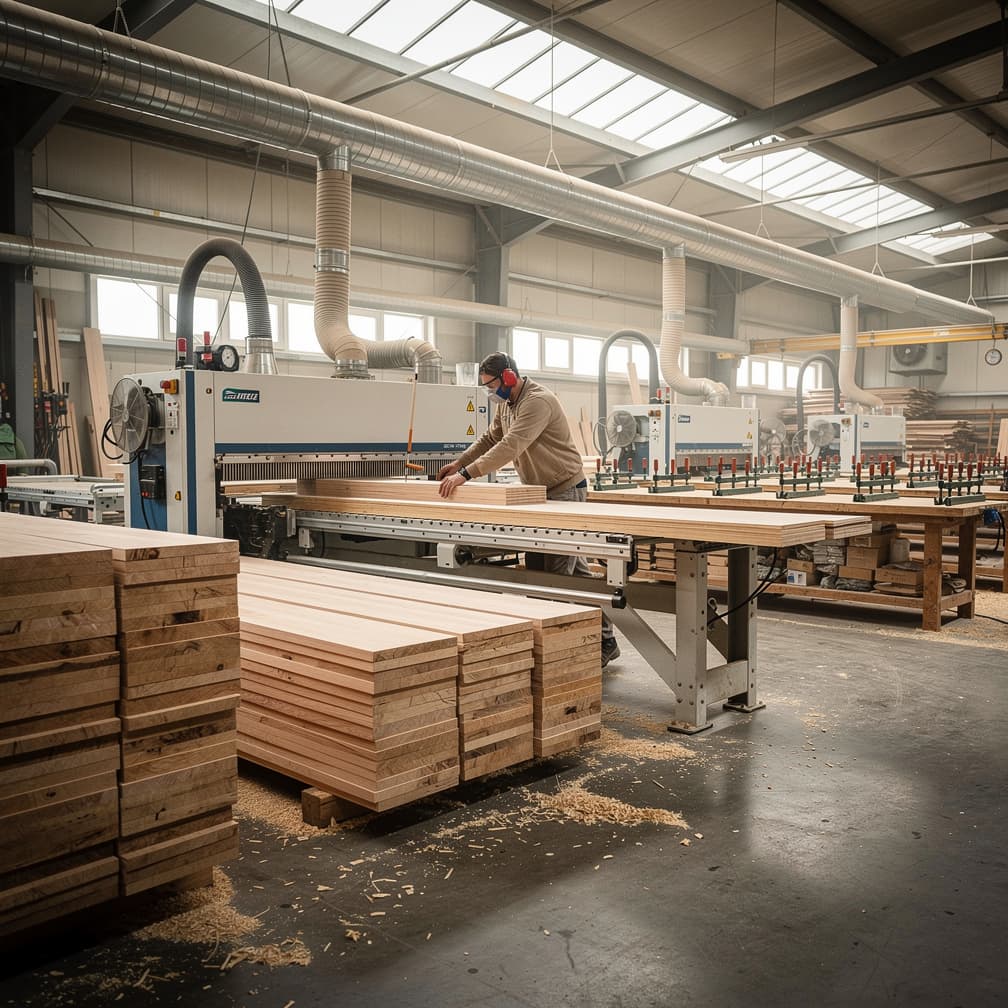
A woodworking shop combines several exposures under one roof, and that is why the quote process needs more detail than a simple retail or office account. In one part of the building you may have rough stock storage, then milling and cutting, then sanding, assembly, staining, or spray finishing, with completed work staged for pickup or delivery. Each step changes what can be damaged, who can be injured, and which policy should respond first.
General liability insurance is the natural place to review how outsiders interact with your business. If clients visit the shop to approve a piece, pick up cabinetry, or discuss a custom build, you have premises exposure. If your crew delivers or installs built-ins, trim, shelving, or casework, you also have off-site liability exposure. A quote should account for whether you only fabricate in-house or also perform installation, punch-list work, and return visits after completion. Those details affect how an underwriter views third-party injury and property damage risk.
Commercial property insurance is central for woodworking shops because the value inside the building can change quickly. Machinery, hand tools, clamps, benches, dust collection equipment, finishing materials, lumber inventory, hardware, and completed customer orders all create a property concentration. Fire risk deserves close attention in this trade. Fine dust, electrical load, heat-producing equipment, and finishing products can turn a small incident into a larger loss if housekeeping and separation practices are weak. During the quote review, it helps to distinguish business personal property, tenant improvements, and any customer property in your care so values are not blended together.
Workers compensation insurance should be reviewed with the actual labor mix in mind. A shop with one owner doing bench work presents a different profile than a business with machine operators, sanders, finishers, drivers, and installers. The premium is shaped by payroll, job duties, and claims history, so vague role descriptions can lead to a poor fit. If employees split time between fabrication and field installation, say that clearly. The difference matters because loading, site conditions, and installation work create a different exposure pattern than bench assembly alone.
Inland marine insurance becomes important once property starts moving. Many woodworking businesses transport saws, compressors, nailers, routers, or specialty tools to jobsites. Others move completed cabinets, doors, millwork, or furniture before final acceptance by the client. Property coverage tied mainly to the shop location may not be enough for those items while they are in transit or temporarily off-site, so this is where you review what travels, how often, and who has custody of it.
Cost is driven by the shape of the operation rather than a single line item. Carriers often look at the type of woodworking performed, the amount and value of machinery, whether finishing is done on-site, the condition and protection of the building, payroll, claims history, and whether you install your work. A shop focused on custom built-ins with regular field work can rate differently from a furniture maker that stays in-house. Higher limits, broader property values, and more mobile equipment generally increase premium, while clear safety procedures and accurate classifications can help keep the quote aligned with the real exposure.
Before you buy, walk the shop as if you were documenting a claim before it happens. Identify your most expensive machines, note where combustible materials are stored, list any customer property on hand, and map when tools or finished work leave the premises. Then compare that list against the quote. If something important moves, burns, breaks down, or injures someone during normal operations, it should be part of the review before you bind coverage.
Recommended Coverage for Woodworking Shop Businesses
Based on the risks woodworking shop businesses face, these coverage types are essential:

General Liability
Essential coverage for every business, protect against third-party bodily injury, property damage, and advertising claims.

Commercial Property
Safeguard your business property, equipment, and inventory against damage and loss.

Workers Compensation
Help cover your employees' medical expenses and lost wages for work-related injuries and illnesses.

Inland Marine
Protect tools, equipment, and goods in transit or stored at locations away from your primary premises.
Common Risks for Woodworking Shop Businesses
- Fire risk from sawdust, finishing materials, and shop equipment
- Customer injury during pickups, walkthroughs, or on-site visits
- Property damage to client projects stored in the shop before delivery
- Theft of tools, mobile property, or contractors equipment from the shop or transit
- Storm damage or vandalism affecting lumber, machinery, or the building
- Equipment breakdown that stops production on saws, dust collection, or finishing systems
Get Your Woodworking Shop Insurance Quote
Compare rates from multiple carriers. Free quotes, no obligation.
What Happens Without Proper Coverage?
Concentration is the quiet threat in a wood shop. Machinery, dust collection, hand tools, lumber, hardware, and completed customer orders share one roof, so a single fire or smoke event can take the production equipment, the inventory, and the open orders in the same hour. Value that concentrated deserves property limits built from a real walk through, not an estimate from two renewals ago.
Customer work in progress raises a question many owners have not priced: whose property burns when the shop does? Deposits taken, materials supplied by clients, and finished pieces awaiting pickup all sit in your care, and the dispute after a loss turns on how your policy treats property of others. A shop full of commissioned work carries other people's money on its racks.
Claims from installation follow a different clock. A cabinet install that scratches a customer's new floors, a delivery crew injury at a jobsite, or a punch list return visit that damages finished trim can surface weeks after the invoice was paid, and the allegation lands on whichever policy was in force when the work happened. Contracts and landlords add their own certificate requirements before install work even begins.
Walk the shop as if documenting a claim before it happens: the most expensive machines, the combustible storage, the customer property on hand, and everything that leaves the building on a truck. Quotes compared against that walk through will show their differences quickly.
Insurance Tips for Woodworking Shop Owners
Separate shop-only fabrication from delivery and installation work when requesting quotes, because off-site operations can change how liability and workers compensation are reviewed.
List major stationary machines, portable tools, dust collection equipment, and finishing equipment individually so commercial property values reflect what would actually need to be replaced after a loss.
Review how customer materials, work in progress, and completed custom pieces are stored on-site, because those concentrations can matter if fire or smoke damages multiple orders at once.
Describe your finishing operations clearly, including where stains, solvents, or spray work are handled, so the property review matches the real fire and contamination exposure.
Match workers compensation classifications to actual job duties, especially if employees split time between machine operation, sanding, delivery, and installation at client locations.
Ask whether inland marine insurance should include both portable tools and finished products in transit, since many woodworking claims happen after property leaves the shop.
Check that your liability limits fit the size of the homes, offices, or commercial interiors where you install work, because one damage claim can involve expensive surrounding finishes.
How Much Does Woodworking Shop Insurance Cost?
Woodworking Shop Insurance is a bundle of separate policies, priced separately. The ranges below are typical figures nationally for each line, except workers compensation, which is rated per $100 of payroll; a quote prices each one against your own operations.
| Coverage | Typical range | What moves your price |
|---|---|---|
| General Liability Insurance | $120 - $420 per month | Industry and risk classification, annual revenue, number of employees |
| Commercial Property Insurance | $210 - $775 per month | Building value and construction type, roof age and condition, fire protection class |
| Workers Compensation Insurance | $0.75 - $2.74 per $100 of payroll | Employee classification codes, total annual payroll, experience modification rate |
| Inland Marine Insurance | $30 - $120 per month | Total insured value of the scheduled property, type and age of the equipment, where it is stored and how far it travels |
Prices shown are general estimates, not guaranteed rates or quotes. Your actual premium will depend on the insurer, coverage selected, business details, location, claims history, and other underwriting factors. Learn about our pricing methodology.
FAQ
Frequently Asked Questions About Woodworking Shop Insurance
General liability, commercial property, workers compensation, and inland marine cover the standard review. Whether you fabricate only or also deliver, install, store customer property, and move tools between locations decides how much weight each policy carries.
Stationary equipment sits under commercial property review, while saws, routers, and compressors that travel to jobsites point to inland marine. The split matters because a policy tied to the shop address can go quiet the moment a tool leaves the building.
If completed pieces or portable tools leave the premises, the review is worth doing. Transported, staged, and mid installation property faces exposures that shop based coverage does not always address, and custom work is expensive to rebuild after a transit loss.
Third party injury and property damage claims tied to installation can fall under general liability, depending on policy terms. Make the quote describe whether your crew delivers only or performs full installation, because underwriters price those as different operations.
Payroll, employee duties, and claims history do the rating. A shop with machine operators, finishers, drivers, and installers should describe each role accurately, since bench assembly and jobsite installation carry visibly different injury exposure.
Lumber, hardware, work in progress, and finished pieces stored on site generally fall within a commercial property review, subject to policy terms. Setting values carefully is the real work, because materials and completed orders are easy to understate until a loss proves it.
Yes, and it needs the review if you store materials, run equipment, receive clients, or sell completed work from home. Explain where work happens, what machinery runs, and whether deliveries or installs happen off site so the quote maps to reality.
Work type, property values, payroll, claims history, building condition, finishing operations, and off site travel of tools or finished pieces set the premium. Higher limits and broader protection raise it; accurate classification keeps it honest.
Updated March 31, 2026