







































Updated July 16, 2026

Window Cleaning Service Insurance in California
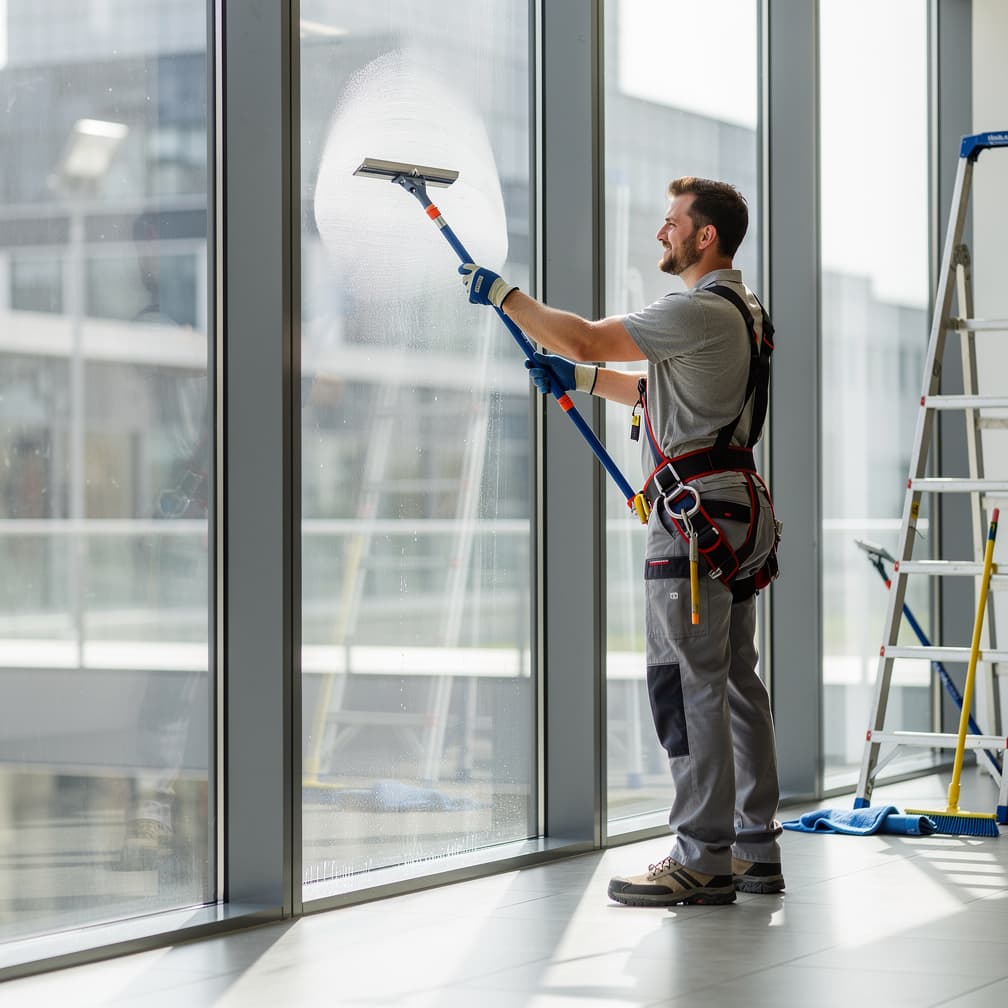
Running a window cleaning business in California means the insurance conversation usually starts with the work itself: ladders, glass, client property, and time on the road between sites. Your policy should fit how you actually operate, whether that means storefronts most weeks or multi-story exteriors with a full crew. California also adds practical buying pressure through proof-of-coverage requests, commercial lease requirements, and workers comp rules for businesses with employees.
The right setup is about matching coverage to the way you actually work across the state. If you clean glass around busy sidewalks, parking lots, or occupied offices, the details matter. California window cleaning businesses typically pay $93 to $371 per month for coverage, which means a few minutes of comparison shopping can easily pay for itself.
Climate Risk Profile
Natural Disaster Risk in California
Understanding climate-related risks helps determine appropriate insurance coverage levels.
Wildfire
Very High
Earthquake
Very High
Drought
High
Flooding
High
Expected Annual Loss from Natural Hazards
$9.8B
estimated economic loss per year across California
Source: FEMA National Risk Index
Risk Factors for Window Cleaning Service Businesses in California
- California ladder work and elevated exterior cleaning can increase slip and fall exposure, especially when crews are working on wet sidewalks, storefront entries, or multi-story glass.
- California wind, wildfire conditions, and shifting weather can raise the chance of third-party claims tied to dropped tools, broken glass, or property damage during a job.
- California commercial clients often ask for proof of liability and coverage limits before work starts, so a lawsuit or legal defense issue can affect both operations and contract timing.
- California vehicle use for route-based window cleaning can create vehicle accident and liability exposure when crews travel between offices, retail centers, and residential sites.
- California’s higher unemployment rate may pressure workers comp pricing, while workplace injury risks remain relevant for ladder use, lifting equipment, and rehabilitation costs.
How California compares with the national baseline
Uninsured drivers
15.2% vs 11.6% baseline
About 15.2% of California drivers are estimated to be uninsured, above the 11.6% average across states.
Fatal crashes per 100 million miles
1.24 vs 1.33 baseline
California sees about 1.24 fatal crashes per 100 million miles driven, below the national average of 1.33.
Property crime per 100,000 residents
2,690 vs 2,200 baseline
Property crime in California runs above the national average, at 2,690 vs 2,200 incidents per 100,000 residents.
Blue bar: California. Gray line: national baseline.
How Much Does Window Cleaning Service Insurance Cost in California?
Window Cleaning Service Insurance is a bundle of separate policies, priced separately. The ranges below are typical figures for California for each line, except workers compensation, which is rated per $100 of payroll; a quote prices each one against your own operations.
| Coverage | Typical range | What moves your price |
|---|---|---|
| General Liability Insurance | $120 - $390 per month | Industry and risk classification, annual revenue, number of employees |
| Workers Compensation Insurance | $0.75 - $2.74 per $100 of payroll | Employee classification codes, total annual payroll, experience modification rate |
| Commercial Auto Insurance | $220 - $600 per month | Fleet size and vehicle types, driver records and experience, coverage limits and deductibles |
| Commercial Umbrella Insurance | $80 - $250 per month | Umbrella limit requested, limits carried on the underlying policies, loss history on those underlying policies |
Prices shown are general estimates, not guaranteed rates or quotes. Your actual premium will depend on the insurer, coverage selected, business details, location, claims history, and other underwriting factors. Learn about our pricing methodology.
What California Requires for Window Cleaning Service Insurance
Non-compliance can result in fines, loss of contracts, and personal liability:
- Workers' compensation is required in California for businesses with 1+ employees, with exemptions noted for sole proprietors and some partners.
- Commercial auto coverage in California must meet the state minimum liability limits of $30,000/$60,000/$15,000 (raised effective January 1, 2025).
- Many California commercial leases require proof of general liability coverage before a window cleaning service can start work.
- Coverage buyers should be ready to show certificate of insurance and requested coverage limits when bidding on California jobs.
- Policies should be reviewed for liability, umbrella coverage, and underlying policies so contract requirements and higher-limit jobs can be matched to the work being performed.
| Requirement | What California law says |
|---|---|
| Auto liability minimums | $30,000/$60,000/$15,000 (bodily injury per person / per accident / property damage). These floors apply to personal and business vehicles alike; lenders and contracts often require more. |
| Workers compensation | Generally required once you have your first employee. Some roles are exempt, so confirm current thresholds before you hire. |
| Where to verify | California Department of Insurance publishes current requirements, consumer guides, and license lookups. |
Get Your Window Cleaning Service Insurance Quote in California
Compare rates from multiple carriers. Free quotes, no obligation.
Common Claims for Window Cleaning Service Businesses in California
A technician cleaning second-story windows in Sacramento drops a tool that damages a client's awning and storefront glass, triggering a claim for the damage and related legal defense.
A crew member in the Bay Area slips while carrying equipment across a wet entryway, leading to a workplace injury claim and workers comp medical costs, lost wages, and rehabilitation needs.
A van accident between job sites can trigger commercial auto questions and third-party claims if another vehicle or nearby property is involved.
Preparing for Your Window Cleaning Service Insurance Quote in California
Your business structure and employee count, including whether you operate solo or run a crew-based operation.
The kinds of jobs you take, such as storefronts, office buildings, residential glass, or multi-story exterior work.
Your vehicle use details, including how often you drive between California job sites and what vehicles are used.
Any client contract or lease requirements for liability limits, proof of insurance, or additional coverage.
What Happens Without Proper Coverage?
Window cleaning businesses buy insurance because small incidents can become expensive fast when your work happens above ground, around the public, and on someone else’s property. A ladder can shift. A tool can fall. Water can reach flooring, displays, or electrical areas. A hose or bucket can create a slip hazard near an entrance. Even if your crew did nothing wrong, you may still need to answer a claim and pay for a defense. That is why general liability insurance is usually reviewed as a core policy rather than an optional add-on.
The employee side of the risk is just as important. Window cleaning is repetitive, physical, and often rushed by weather, scheduling windows, or customer access rules. Workers lift extension ladders, reach overhead, climb repeatedly, and move across wet surfaces. If an employee is hurt, workers compensation insurance can become the policy that helps with the claim instead of forcing the business to absorb the loss directly. Owners sometimes focus on customer-facing liability first and underestimate how quickly one injury can disrupt payroll, staffing, and job completion.
Vehicles create another major reason to insure the business correctly. A window cleaning company rarely stays in one place. Crews drive between homes, retail centers, office buildings, and service calls with equipment loaded in the vehicle. If there is an accident on the way to a job or while returning from one, commercial auto insurance is often central to the claim. This is especially important when multiple employees drive or when a vehicle is used all day for business operations.
Insurance also helps you qualify for better work. Property managers, general contractors, landlords, and commercial clients often ask for certificates of insurance before they let a vendor on site or sign a service agreement. Some contracts also require higher liability limits, which is where a commercial umbrella often enters the picture. If you wait until the contract is in front of you, you may end up scrambling to change limits, add insureds, or explain operations under a deadline.
The practical reason to buy coverage is simple: one claim can cost more than a season of profit. Review your policies before renewing a major account, hiring your first employee, adding a vehicle, or taking on taller or more complex jobs.
Recommended Coverage for Window Cleaning Service Businesses
Based on the risks and requirements above, window cleaning service businesses need these coverage types in California:

General Liability
Essential coverage for every business, protect against third-party bodily injury, property damage, and advertising claims.

Workers Compensation
Help cover your employees' medical expenses and lost wages for work-related injuries and illnesses.

Commercial Auto
Protect your business vehicles and drivers with comprehensive commercial auto coverage.

Commercial Umbrella
Extend your liability limits beyond your primary policies for extra protection against catastrophic claims.
Window Cleaning Service Insurance by City in California
Insurance needs and pricing for window cleaning service businesses can vary across California. Find coverage information for your city:
Insurance Tips for Window Cleaning Service Owners
Ask for general liability limits that match the properties you service, because storefront routes and commercial accounts often bring stricter contract requirements than residential work.
Review workers compensation with accurate payroll and job duties, especially if owners sometimes clean windows themselves and sometimes supervise a field crew.
List every business-use vehicle and regular driver on the commercial auto quote, because route work creates frequent road exposure between job sites.
Bring sample service agreements to your insurance review so you can check additional insured, waiver, and higher-limit requests before signing the contract.
Say up front whether you use ladders regularly or mostly handle ground-level work, because height and access method affect how the operation is evaluated.
If you hire subcontractors during busy seasons, set a process to collect their certificates and confirm their coverage before they represent your business on site.
Consider commercial umbrella insurance when you add larger commercial properties, because one severe injury or vehicle claim can exceed underlying policy limits.
FAQ
Frequently Asked Questions About Window Cleaning Service Insurance in California
If you have one or more employees, California requires workers compensation. Sole proprietors and some partners may be exempt, but you should confirm how your setup is classified before you quote coverage.
General liability can help with third-party claims tied to property damage, customer injury, slip and fall incidents, advertising injury, and legal defense connected to your cleaning work.
Many commercial leases and customer contracts in California require proof of general liability coverage and specific limits before work begins, especially for office, retail, and managed properties.
Yes, many businesses ask for both together so the quote reflects job-site liability and employee protection in one review.
Gather your employee count, job types, vehicle use, and annual revenue range before you start, along with any contract requirements for higher limits or umbrella coverage.
Most owners pair general liability, workers compensation, commercial auto, and a commercial umbrella. The mix depends on whether you work solo or run crews, use vehicles daily, and sign commercial contracts with higher limit requirements.
Yes, for both, because claims can involve customer property damage, slip allegations, or injuries to passersby. Size the limits to occupied properties, public walkways, and whatever your contracts require.
The job involves ladder climbing, lifting equipment, repetitive overhead motion, and wet walking surfaces. When an employee is hurt, workers compensation can carry the claim instead of forcing the business to absorb the full cost alone.
Updated July 16, 2026