Updated July 16, 2026

Commercial Auto Insurance in California
Buying commercial auto insurance in California starts with the realities of driving business vehicles in a state with heavy crash volume. Roughly 15.2% of drivers here are uninsured, which means a routine fender-bender can quickly become a complicated claim. The state also carries a premium index of 128, meaning average rates run about 28% higher than the national baseline of 100, so you should expect to pay more here than in many other states.
If you run a company car in Sacramento, deliver across Los Angeles County, or manage vans that travel between the Bay Area and inland routes, your policy has to fit both the vehicle and the way it is used. California has a broad market with many insurers competing for business. The right policy still depends on your vehicle count, annual mileage, operating radius, driver records, and whether employees use personal cars for work.
Wildfire exposure, theft risk, and higher-than-average claim costs all matter here. This is especially true for businesses operating in high-traffic corridors or areas with long service routes. The goal is to match the policy to California's minimum requirements and your actual business driving, not just the vehicle title.
What Commercial Auto Insurance Covers
Commercial auto insurance in California is built around business use, not personal errands. The policy can be structured for one company car or a larger fleet. Core protections include liability, collision, comprehensive, medical payments, and uninsured motorist coverage. Liability addresses bodily injury and property damage claims from a vehicle accident involving your business vehicle.
California's minimum commercial vehicle liability requirement is split into per-person bodily injury, per-accident bodily injury, and property damage limits. All commercial vehicles must be registered with the California DMV, so compliance starts before the first quote is bound. Because California has a 15.2% uninsured driver rate, uninsured and underinsured motorist protection may be required and is especially relevant for driving in dense metro areas and on busy delivery routes.
Collision coverage helps with damage from a crash, while comprehensive can respond to theft, wildfire-related damage, weather events, or other non-collision losses. That matters in a state with very high wildfire risk and high motor vehicle theft activity. This coverage is an important add-on if your business rents vehicles or employees use personal cars for work errands, client visits, or deliveries. Coverage terms vary by carrier, but the policy should be reviewed against California's requirements and your actual driving exposure.

Bodily Injury Liability
Covers injuries you cause to others in an accident

Property Damage Liability
Covers damage you cause to others' property
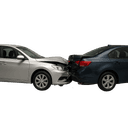
Collision Coverage
Pays for damage to your vehicle in an accident

Comprehensive Coverage
Covers theft, vandalism, weather, and animal damage

Medical Payments
Covers medical costs for your drivers and passengers
Uninsured Motorist
Protection when the other driver lacks insurance
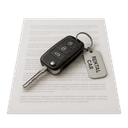
Hired & Non-Owned Auto
Covers rented or employee-owned vehicles used for work
Commercial Auto Insurance Requirements in California
- Minimum liability rose to $30,000/$60,000/$15,000 effective January 1, 2025, so older policies may need limit adjustments to stay compliant.
- DMV registration must be completed before a commercial vehicle legally operates, making it a prerequisite rather than a post-purchase task.
- Uninsured and underinsured motorist coverage may be required, so confirm the endorsement status before binding.
- Hired auto and non-owned auto coverage should be reviewed if employees use personal cars or the business rents vehicles.
How Much Does Commercial Auto Insurance Cost in California?
Average Cost in California
$160 - $525
per month
Businesses in California typically see commercial auto insurance premiums of $160 - $525 per month, which tends to run 25% above the national range of $140 - $410 per month.
- Fleet size and vehicle types
- Driver records and experience
- Coverage limits and deductibles
- Business industry and use
- Annual mileage and operating radius
- Claims history
Rates based on small business averages. Your actual premium may vary.
Commercial auto insurance cost in California is shaped by both business risk and the state's market conditions. The average premium range is $160 to $525 per month per vehicle, which sits 28% above the national average. Small business averages also indicate about $1,200 to $2,400 per vehicle annually, but actual pricing varies by fleet size, vehicle types, driver records, coverage limits, deductibles, business use, mileage, operating radius, and claims history.
California's premium index of 128, combined with a broad field of competing insurers, shows a competitive market with elevated pricing factors rather than a fixed statewide rate. The state recorded 485,000 crashes in 2023, which means insurers are pricing for real accident volume on the roads your drivers use every day. The average claim cost is $16,190, which can quickly strain a business if your liability limits are too low, and top crash causes include reckless driving, speeding, following too closely, drowsy driving, and lane departure.
A fleet operating in dense traffic or covering long service routes may see higher costs than a business with limited local use. Wildfire risk is another pricing factor, especially for vehicles parked outdoors, stored near brush, or used in areas with repeated disaster declarations. The carrier will usually price the vehicle schedule, driver profile, and coverage choices together rather than giving a one-size-fits-all number.
| Coverage Type | What It Covers | Typical Limits |
|---|---|---|
| Bodily Injury Liability | Injuries to others in accidents you cause | $500K to $2M |
| Property Damage Liability | Damage to others' property | $100K to $1M |
| Collision | Damage to your vehicle in an accident | Actual cash value |
| Comprehensive | Theft, vandalism, weather, animal damage | Actual cash value |
| Medical Payments | Medical costs for your drivers/passengers | $5K to $25K |
| Uninsured Motorist | Protection when other driver lacks insurance | $500K to $1M |
| Hired & Non-Owned | Rented or employee personal vehicles | Same as liability limits |
Bodily Injury Liability
- What It Covers
- Injuries to others in accidents you cause
- Typical Limits
- $500K to $2M
Property Damage Liability
- What It Covers
- Damage to others' property
- Typical Limits
- $100K to $1M
Collision
- What It Covers
- Damage to your vehicle in an accident
- Typical Limits
- Actual cash value
Comprehensive
- What It Covers
- Theft, vandalism, weather, animal damage
- Typical Limits
- Actual cash value
Medical Payments
- What It Covers
- Medical costs for your drivers/passengers
- Typical Limits
- $5K to $25K
Uninsured Motorist
- What It Covers
- Protection when other driver lacks insurance
- Typical Limits
- $500K to $1M
Hired & Non-Owned
- What It Covers
- Rented or employee personal vehicles
- Typical Limits
- Same as liability limits
How California compares with the national baseline
Uninsured drivers
15.2% vs 11.6% baseline
About 15.2% of California drivers are estimated to be uninsured, above the 11.6% average across states.
Fatal crashes per 100 million miles
1.24 vs 1.33 baseline
California sees about 1.24 fatal crashes per 100 million miles driven, below the national average of 1.33.
Blue bar: California. Gray line: national baseline.
Prices shown are general estimates, not guaranteed rates or quotes. Your actual premium will depend on the insurer, coverage selected, business details, location, claims history, and other underwriting factors. Learn about our pricing methodology.
Request a Quote Comparison
Enter your ZIP code to compare commercial auto insurance rates from top carriers.
Business insurance starting at $25/mo
Who Needs Commercial Auto Insurance?
Businesses that use vehicles for work in California generally need commercial auto insurance or a related endorsement. This is especially true when the vehicle is titled to the business, used to transport tools or materials, or driven to client sites, deliveries, or service calls. A company car in California often needs this coverage if it is used beyond personal commuting, because personal auto policies typically do not fully address business use.
Fleet auto insurance is relevant for small businesses with multiple vehicles, since the policy may help cover several drivers and a range of vehicle types under one program. Commercial truck insurance is important for businesses that move goods across long operating radii or through high-traffic corridors, where accident frequency and cargo exposure can rise. Major employment sectors here include professional and technical services, healthcare and social assistance, retail trade, accommodation and food services, and manufacturing.
Those sectors commonly rely on vehicles for site visits, supply runs, patient transport support, inventory movement, or local deliveries. Businesses with employees using their own cars for errands or meetings may also need hired and non-owned auto coverage to close the gap. If your operation uses vans, pickups, specialty vehicles, or a mixed fleet around Sacramento, coastal metros, or inland distribution routes, this coverage should be part of the planning conversation.
| Requirement | What California law says |
|---|---|
| Auto liability minimums | $30,000/$60,000/$15,000 (bodily injury per person / per accident / property damage). These floors apply to personal and business vehicles alike; lenders and contracts often require more. |
| Where to verify | California Department of Insurance publishes current requirements, consumer guides, and license lookups. |
Commercial Auto Insurance by City in California
Commercial Auto Insurance rates and coverage options can vary across California. Select your city below for localized information:
How to Buy Commercial Auto Insurance
To buy commercial auto insurance in California, start by listing every vehicle used for business, how each one is used, who drives it, and whether any employees use personal vehicles for work. That information helps carriers evaluate your requirements, including the state minimum liability standard and the DMV registration requirement for commercial vehicles. Next, gather driver records, annual mileage estimates, operating radius, garaging locations, and prior claims history, because those items directly affect pricing and underwriting.
If your business rents vehicles or relies on employee-owned cars, ask for hired auto and non-owned auto coverage so the policy matches real-world use. Comparing multiple quote options is practical rather than relying on a single offer. Ask each carrier how liability, collision, comprehensive, medical payments, and uninsured motorist coverage are structured. Confirm whether the policy reflects your actual business needs instead of a personal-use assumption.
If you plan to bundle, ask about multi-policy options, since carriers may price commercial auto with other business lines differently. Before binding, verify that the policy language fits your vehicles, your drivers, and your California operating footprint. That includes city driving, regional travel, and any exposure to wildfire or theft-prone parking areas. Request a quote through CPK Insurance to compare your options with participating licensed providers.
How to Save on Commercial Auto Insurance
The most reliable ways to lower commercial auto insurance cost in California are tied to risk control and policy design, not shortcuts. A fleet safety program, GPS tracking, and dash cameras can help reduce loss frequency and may improve underwriting outcomes, especially for businesses operating in California's traffic-heavy corridors. Keeping driver records clean matters because speeding, reckless driving, following too closely, and lane departure are major crash causes in the state, and carriers price those risks into your liability coverage.
Choosing higher deductibles can reduce premium pressure, but only if the business can absorb the out-of-pocket amount after a loss. Bundling commercial auto with other business insurance may help, and multi-policy discounts may be available through the same carrier, though actual savings vary. For fleet auto insurance in California, telematics can be useful because it tracks driving behavior and may support safer fleet management.
Review vehicle mix carefully. Newer or specialty vehicles, long-haul use, and higher annual mileage can push pricing up, while smaller local-use schedules may be easier to insure. Shop annually, because California's market is broad and pricing can change with claims experience, operating radius, and carrier appetite. If your business uses rented vehicles or employee-owned cars, confirm that hired auto and non-owned auto coverage is included so you are not paying for gaps later through separate claims handling.
Our Recommendation for California
For California businesses, I would start with the minimum liability requirement, then decide whether your actual driving exposure calls for higher limits, collision, comprehensive, and uninsured motorist protection. If your vehicles travel in high-traffic areas, park outdoors, or operate near wildfire-prone regions, comprehensive deserves close attention because California's risk profile is not average. If employees drive personal cars for work, do not assume a standard business policy automatically closes that gap. Ask specifically about hired and non-owned auto coverage.
Get quotes from multiple carriers active in California and compare how each one handles driver lists, vehicle schedules, and deductibles. The best fit is the policy that matches your routes, drivers, and vehicle use in California, not just the lowest initial number.
FAQ
Frequently Asked Questions
In California, it may help cover liability, collision, comprehensive, medical payments, and uninsured motorist protection for a business vehicle, plus hired and non-owned auto exposure if the right endorsement is added.
The state range is about $160 to $525 per month per vehicle, and small business averages are about $1,200 to $2,400 per vehicle annually, but the actual price depends on fleet size, vehicle type, driver records, mileage, and claims history.
Businesses using company cars, vans, trucks, specialty vehicles, or employee-owned cars for work should review it, especially if they drive to client sites, make deliveries, or carry tools and materials.
California requires minimum liability of $30,000/$60,000/$15,000 (raised effective January 1, 2025) for commercial vehicles, all commercial vehicles must be registered with the DMV, and uninsured and underinsured motorist coverage may be required.
Collision helps pay for damage from a crash, while comprehensive can respond to theft, wildfire-related damage, weather losses, or other non-collision events, which is important in California's very high-risk environment.
Prepare a vehicle schedule, driver list, mileage estimates, garaging locations, and claims history, then compare quotes from multiple California carriers so the policy reflects your fleet size, vehicle types, and operating radius.
Commercial auto insurance can help cover liability for bodily injury and property damage, collision damage to your vehicles, comprehensive coverage for theft and weather damage, medical payments, and uninsured/underinsured motorist protection. It also can help cover hired and non-owned vehicles with the right endorsements.
Costs vary based on fleet size, vehicle types, driver records, coverage limits, industry, and location. Delivery and construction fleets pay more than office-based businesses.
Updated July 16, 2026