







































Updated July 16, 2026

Builders Risk Insurance in Fresno
Should you buy builders risk insurance in Fresno any differently than you would elsewhere in California? Yes, because the local decision often turns less on broad state rules and more on whether your project budget, lender expectations, and resale or hold strategy can absorb a mid-build loss without stalling the job. When a damaged project ties up a substantial share of property value, the coverage question becomes practical fast. The useful work is matching the policy to your actual draw schedule, your materials logistics, and your restart timeline after a loss.
Builders Risk Insurance Risk Factors in Fresno
Fresno's top risk factors include Wildfire risk, Drought conditions, Power shutoffs, and Air quality events.
California has a very high climate risk rating. Top hazards: Wildfire (Very High), Earthquake (Very High), Drought (High), Flooding (High). The state's expected annual loss from natural hazards is $9.8B, which influences builders risk insurance premiums and may affect coverage availability in high-risk areas.
What Builders Risk Insurance Covers
Start with how a loss would interrupt the job, not with a generic list of covered property. A carrier will want to understand whether your project faces wildfire-adjacent exposure, earthquake concerns, flood-prone conditions, or wind-driven damage. Each hazard can affect what is offered, what is limited, and what documentation is needed. Your coverage review should match the site, the phase of construction, and the way materials and equipment move through the project.
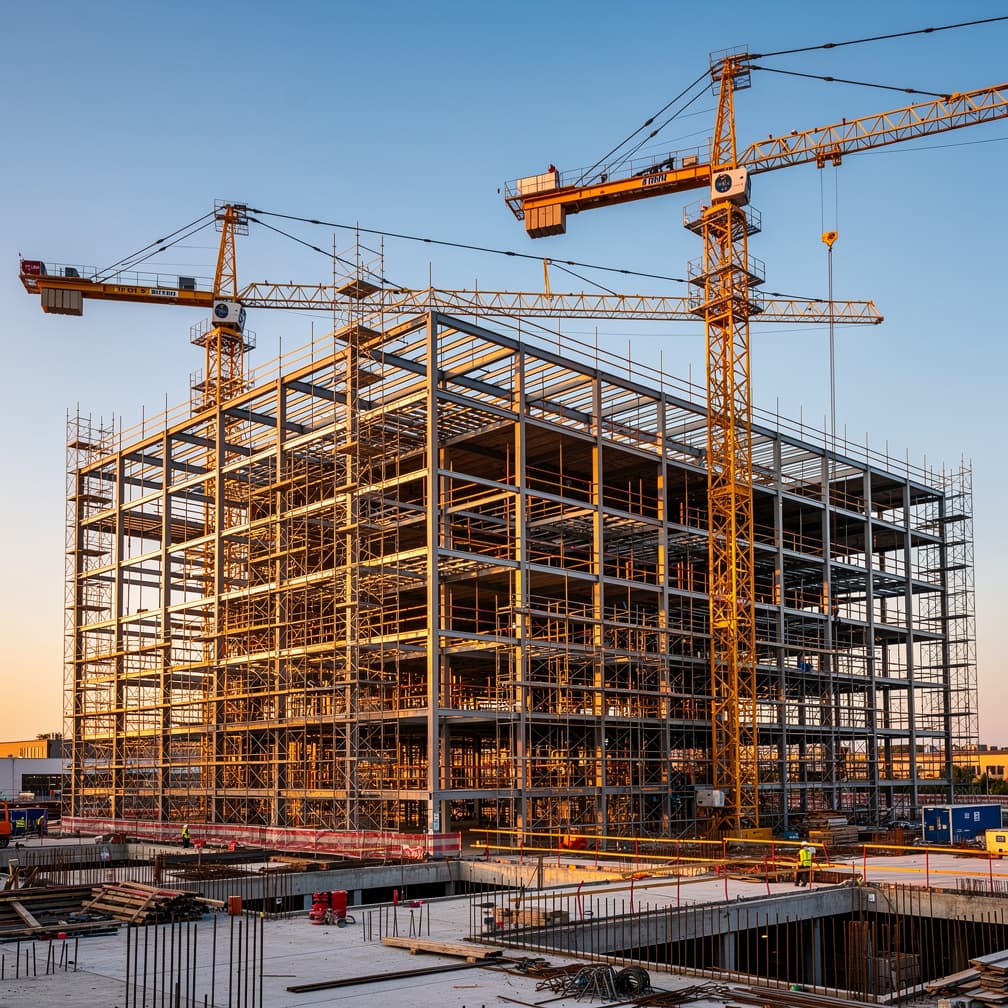
For a California build, pay close attention to property that is vulnerable before it is fully enclosed. Framing, roofing materials, windows awaiting installation, mechanical components staged on site, and temporary structures can all create different claim scenarios depending on where the project sits and how the site is secured. If the job includes renovation work, ask how existing structures are treated and whether the policy approach changes once crews are working inside an occupied or partially occupied building.
You should also review delay-related exposures carefully. If a fire or severe storm damages your framing, the physical repair is only part of the problem. You still have to pay extended loan interest, re-coordinate subcontractors, and push back your delivery date. A covered property loss can create financing, scheduling, and subcontractor coordination problems even after physical repairs begin. If your lender or contract requires certain time-element protections, ask for those terms to be reviewed against the actual schedule and critical path items. Do not assume one form fits every project. Ask the quoting team to walk through exclusions, sublimits, soft cost options, testing or installation exposures, and any conditions tied to hazard-prone locations.
Coverage Included

Structure Coverage
Covers the building or structure under construction.

Materials on Site
Covers building materials stored at the construction site.

Materials in Transit
Covers materials being transported to the job site.
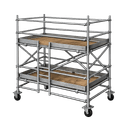
Temporary Structures
Covers scaffolding, fencing, and temporary buildings.

Soft Costs
Covers additional expenses from construction delays due to covered losses.

Equipment Coverage
Covers permanently installed fixtures and equipment.
Industries & Insurance Needs in Fresno
County business mix is the local clue. Fresno County has 18,920 business establishments, and the largest establishment shares are health care and social assistance at 14.2%, retail trade at 12.7%, and accommodation and food services at 9.8%, so a meaningful share of local projects involve tenant improvements, remodels, and occupied-adjacent work rather than only large greenfield construction.
That changes the builders risk conversation because these jobs often carry tighter reopening timelines, landlord requirements, lender draw conditions, and more concern about stored materials, partial occupancy, and business interruption exposures that sit next to the construction scope. If your project is a clinic refresh, storefront build-out, restaurant renovation, or mixed-use update, ask for a quote review that separates the construction value from existing structure concerns and flags any soft cost needs early. The county mix does not tell you your premium by itself, but it does point to the kinds of projects here where contract language, renovation details, and site controls can matter as much as the completed value.
What Makes Fresno Different
Budget sensitivity is what changes the calculus here. In a market with a median home value of $348,500, a partial loss on a single project can represent a meaningful share of an owner's net worth, which means a mid-project fire or theft could wipe out years of equity growth. These are not abstract assets on a large portfolio. They are single residences, first investment properties, or small commercial projects where one covered loss can disrupt financing, delay occupancy, and force hard choices about whether to keep going.
Buying decisions here often come down to cash flow resilience, not just hazard mapping. A deductible that looks manageable on paper can still strain a project if it lands at the same time as change orders, permit delays, or a draw holdback. A limit that seems close enough can still leave you short if materials are already on site and values have climbed since the application. Quote the project as it will actually be built, not as a simplified application summary.
Our Recommendation for Fresno
Start by tracing the money. If a bank, private lender, or equity partner is involved, line up the insurance review with the draw schedule so the policy limit, named insured structure, and any mortgagee or loss payee wording match the deal documents before the first major disbursement.
For residential work, compare the planned completed value against current local property economics rather than relying on an old purchase price or a rough contractor estimate. For commercial renovations and tenant improvements, sort out three things before you bind: what is new construction, what is existing structure, and who carries responsibility for each piece under the lease or construction contract. Tell your agent up front if materials will be delivered in stages or stored off site temporarily, because that changes how the policy needs to be written. If your contingency reserve is thin, ask whether a lower deductible is worth the premium tradeoff. The policy review that actually protects your timeline is the one organized around how quickly you could restart after a loss.
Get Builders Risk Insurance in Fresno
Enter your ZIP code to compare builders risk insurance rates from carriers in Fresno, CA.
Business insurance starting at $25/mo
FAQ
Frequently Asked Questions
Your project is easier to review when you lead with the basics: completed value, job type, renovation versus new build, project term, lender involvement, and where materials are stored. That gives the underwriter a usable picture of how a loss would affect your schedule and budget.
Renovation projects here can tie up a substantial amount of property value relative to the overall budget, especially after upgrades raise the expected resale or hold value. Review the post-improvement value carefully before binding, especially if scope or materials changed after the first estimate.
The county's business mix includes retail trade at 12.7% and accommodation and food services at 9.8%, which means a large share of local construction involves tenant improvements with reopening deadlines tied to lease start dates. In practical terms, a delay past your lease start date can cost you both rent and customers, so your quote needs to address contract wording, occupancy assumptions, and soft cost review.
Health care and social assistance accounts for 14.2% of establishments in the county, so clinic and service-space remodels are common enough to shape local underwriting expectations. Because these projects often involve phased work and occupied-adjacent conditions, ask your agent whether the quote accounts for time-sensitive reopening costs.
Pick a number you could actually write a check for tomorrow without derailing payroll, loan draws, or the next construction milestone. The right deductible is the one that fits your real contingency reserve, not a theoretical worst case.
The California Department of Insurance oversees this coverage. That oversight matters because it shapes which policy forms and endorsements are available to you, so use policy documents and quote questions that match state filing and consumer oversight expectations.
Projects in wildfire-prone areas often face closer underwriting review. Be ready to explain site protections, material storage, and how the job is secured after hours.
Renovation projects often need a more detailed review because occupied space, existing structures, and phased work can change how coverage is structured. Check the policy approach against the actual renovation plan.
Sources
- 1.U.S. Census Bureau, ACS 5-Year Estimates, table B25077(Fresno median home value is $348,500.)
- 2.U.S. Census Bureau, County Business Patterns, Fresno County(Fresno County has 18,920 business establishments.; Fresno County's leading business sectors by establishment share are health care and social assistance 14.2%, retail trade 12.7%, and accommodation and food services 9.8%.)
Updated July 16, 2026





