Updated July 16, 2026

Commercial Auto Insurance in Los Angeles
Your vehicles do not work from a single quiet lot here. They leave shared warehouse bays near Vernon, load at small industrial spaces around Commerce, circle retail corridors on the Westside, and make service calls where parking, loading access, and customer timing all change block by block. That operating pattern is why a local policy review is usually less about the abstract vehicle class and more about how often your drivers move between neighborhoods, whether employees take units home, and how often a van or pickup is left curbside while work is underway. Los Angeles County also has 304,305 business establishments. In practical terms, your drivers are navigating the same docks and alleys as roughly 300,000 other commercial operations, so low-speed contact and parked-vehicle damage happen more often than they would in a less concentrated market. Before you renew or add vehicles, it is worth checking whether your deductibles and liability limits still fit that level of daily congestion.
Commercial Auto Insurance Risk Factors in Los Angeles
Los Angeles's top risk factors include Wildfire risk, Drought conditions, Power shutoffs, and Air quality events. Los Angeles's crime index of 119 (national avg: 100) increases vehicle theft risk, comprehensive auto coverage is important here.
California has a very high climate risk rating. Top hazards: Wildfire (Very High), Earthquake (Very High), Drought (High), Flooding (High). The state's expected annual loss from natural hazards is $9.8B, which influences commercial auto insurance premiums and may affect coverage availability in high-risk areas.
What Commercial Auto Insurance Covers
Commercial auto insurance in California is built around business use, not personal errands. The policy can be structured for one company car or a larger fleet. Core protections include liability, collision, comprehensive, medical payments, and uninsured motorist coverage. Liability addresses bodily injury and property damage claims from a vehicle accident involving your business vehicle.
California's minimum commercial vehicle liability requirement is split into per-person bodily injury, per-accident bodily injury, and property damage limits. All commercial vehicles must be registered with the California DMV, so compliance starts before the first quote is bound. Because California has a 15.2% uninsured driver rate, uninsured and underinsured motorist protection may be required and is especially relevant for driving in dense metro areas and on busy delivery routes.
Collision coverage helps with damage from a crash, while comprehensive can respond to theft, wildfire-related damage, weather events, or other non-collision losses. That matters in a state with very high wildfire risk and high motor vehicle theft activity. This coverage is an important add-on if your business rents vehicles or employees use personal cars for work errands, client visits, or deliveries. Coverage terms vary by carrier, but the policy should be reviewed against California's requirements and your actual driving exposure.
Coverage Included

Bodily Injury Liability
Covers injuries you cause to others in an accident

Property Damage Liability
Covers damage you cause to others' property
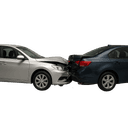
Collision Coverage
Pays for damage to your vehicle in an accident

Comprehensive Coverage
Covers theft, vandalism, weather, and animal damage

Medical Payments
Covers medical costs for your drivers and passengers

Uninsured Motorist
Protection when the other driver lacks insurance
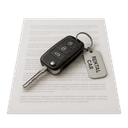
Hired & Non-Owned Auto
Covers rented or employee-owned vehicles used for work
Commercial Auto Insurance Cost in Los Angeles
Average Cost in California
$160 - $525
per month
Businesses in California typically see commercial auto insurance premiums of $160 - $525 per month, which tends to run 25% above the national range of $140 - $410 per month.
- Fleet size and vehicle types
- Driver records and experience
- Coverage limits and deductibles
- Business industry and use
- Annual mileage and operating radius
- Claims history
Rates based on small business averages. Your actual premium may vary.
Prices shown are general estimates, not guaranteed rates or quotes. Your actual premium will depend on the insurer, coverage selected, business details, location, claims history, and other underwriting factors. Learn about our pricing methodology.
Commercial auto insurance cost in California is shaped by both business risk and the state's market conditions. The average premium range is $160 to $525 per month per vehicle, which sits 28% above the national average. Small business averages also indicate about $1,200 to $2,400 per vehicle annually, but actual pricing varies by fleet size, vehicle types, driver records, coverage limits, deductibles, business use, mileage, operating radius, and claims history.
California's premium index of 128, combined with a broad field of competing insurers, shows a competitive market with elevated pricing factors rather than a fixed statewide rate. The state recorded 485,000 crashes in 2023, which means insurers are pricing for real accident volume on the roads your drivers use every day. The average claim cost is $16,190, which can quickly strain a business if your liability limits are too low, and top crash causes include reckless driving, speeding, following too closely, drowsy driving, and lane departure.
A fleet operating in dense traffic or covering long service routes may see higher costs than a business with limited local use. Wildfire risk is another pricing factor, especially for vehicles parked outdoors, stored near brush, or used in areas with repeated disaster declarations. The carrier will usually price the vehicle schedule, driver profile, and coverage choices together rather than giving a one-size-fits-all number.
Industries & Insurance Needs in Los Angeles
County business mix changes how fleets are used here. In Los Angeles County, leading sectors by establishment share are professional, scientific, and technical services at 14%, health care and social assistance at 12.4%, and retail trade at 9.6%. That matters because many local buyers are not running heavy trucks all day. They are running sales cars, clinician vehicles, delivery units, and service vans that move between appointments, storefronts, and client locations. If that sounds like your operation, your quote should separate occasional business use from constant dispatch, and it should spell out who drives, where vehicles are kept, and whether employees use personal cars for errands or visits. Those details can change whether you need broader hired and non-owned auto review, different symbol selections, or stronger liability limits for frequent stops in tight parking areas.
What Makes Los Angeles Different
A contractor with two pickups, a home health group with several employee drivers, and a retailer running local deliveries can all need very different terms even if the vehicle list looks similar on paper. The practical question is how your units circulate through the county's business traffic, not just how many you own. If your operation depends on curbside stops, employee drivers, or vehicles that carry tools and inventory between jobs, the policy should reflect those realities through permissive use terms and hired and non-owned auto wording that matches your actual weekly routes.
Our Recommendation for Los Angeles
Build your vehicle schedule around how each unit actually gets used today, not how it was assigned last year. Track overnight garaging, employee take-home arrangements, tool and inventory storage, and the difference between short appointment runs and all-day routing. Then ask for a coverage review that tests a few pressure points common here. These include backing into parked cars, damage while loading, windshield and body claims from constant street use, and liability losses tied to employee errands in personal vehicles. If you operate in higher-income neighborhoods or serve commercial clients with strict contract language, check whether your limits still fit the property values and vendor requirements you face. Los Angeles has a median household income of $80,366. When a fender-bender happens in a neighborhood where home values and wage levels run high, the repair and medical costs that follow can outpace what a standard limit was built to absorb. Before binding, confirm listed drivers, garaging ZIP codes, and radius assumptions, then compare the quote against your actual operations.
Get Commercial Auto Insurance in Los Angeles
Enter your ZIP code to compare commercial auto insurance rates from carriers in Los Angeles, CA.
Business insurance starting at $25/mo
FAQ
Frequently Asked Questions
Yes, because a small fleet can still have complex use patterns such as employee take-home vehicles, curbside loading, and frequent client stops. Matching liability limits, deductibles, and driver listings to how those vehicles actually operate can help keep a claim from outpacing your coverage.
The county's concentration of commercial operations means your drivers share docks, alleys, and lots with thousands of other working vehicles daily. That raises the frequency of low-speed contact and parked-vehicle damage, so your deductibles and limits need to account for near-misses that do not stay near-misses.
Focus on who drives, where vehicles are garaged, whether units go home with employees, and whether tools or materials stay inside overnight. Those details often matter more than the vehicle type alone.
Los Angeles County has leading establishment shares in professional, scientific, and technical services at 14 percent, health care and social assistance at 12.4 percent, and retail trade at 9.6 percent. Service, health care, and retail operations lean heavily on appointment driving, deliveries, and employee-use questions rather than heavy fleet issues, so your policy should reflect those specific risks.
Ask for a hired and non-owned auto review when employees use personal cars for bank runs, visits, or deliveries. That is especially important if your business relies on frequent short trips instead of a fully owned fleet.
In California, it may help cover liability, collision, comprehensive, medical payments, and uninsured motorist protection for a business vehicle, plus hired and non-owned auto exposure if the right endorsement is added.
The state range is about $160 to $525 per month per vehicle, and small business averages are about $1,200 to $2,400 per vehicle annually, but the actual price depends on fleet size, vehicle type, driver records, mileage, and claims history.
Businesses using company cars, vans, trucks, specialty vehicles, or employee-owned cars for work should review it, especially if they drive to client sites, make deliveries, or carry tools and materials.
Sources
- 1.U.S. Census Bureau, County Business Patterns, Los Angeles County(Los Angeles County also has 304,305 business establishments, so your drivers often share roads, lots, and loading areas with other commercial vehicles all day.; In Los Angeles County, leading sectors by establishment share are professional, scientific, and technical services at 14%, health care and social assistance at 12.4%, and retail trade at 9.6%.)
- 2.U.S. Census Bureau, ACS 5-Year Estimates, table B19013(Los Angeles has a median household income of $80,366, so a claim involving another vehicle or damaged property can become expensive quickly.)
Updated July 16, 2026