








































Updated July 16, 2026

Commercial Truck Insurance in Los Angeles
Buying commercial truck insurance in Los Angeles means thinking beyond basic truck liability. This market is shaped by dense freight movement, a high cost of doing business, and operating conditions that can change block by block. Your routes often run through heavy traffic corridors, busy commercial districts, and areas with elevated vehicle theft risk. Coverage choices should reflect how and where your trucks actually move.
For owner-operators and fleets, a policy also needs to account for local delivery schedules, yard locations, and the type of freight you haul. Those details can affect motor carrier liability, cargo insurance, and physical damage coverage. The city's mix of retail, manufacturing, food service, and technical services creates a wide range of shipping patterns, from short-haul delivery to complex regional runs. If your trucks spend time parked, loaded, or waiting near high-traffic zones, a policy built for that exposure is more practical than a generic one.
Commercial Truck Insurance Risk Factors in Los Angeles
Los Angeles adds several risk drivers that matter for trucking coverage. The city’s overall crime index is 150, with motor vehicle theft at **788.4** and burglary at 144.6, which makes theft exposure a real underwriting consideration for parked tractors, trailers, and cargo. Its annual crashes reached **135,137 in 2023**, and speeding, distracted driving, weather conditions, and impaired driving were leading causes, so route exposure and driver history can weigh heavily in pricing. The city also has a 14% flood-zone share, which can matter for garaging locations, terminal access, and trailer storage. Local risks like wildfire risk, drought conditions, power shutoffs, and air quality events can disrupt operations and influence how insurers view operating territory. For trucking businesses, these conditions can affect cargo insurance for trucks, trailer interchange exposure, and physical damage coverage for trucks when equipment is stored or staged in vulnerable areas.
California has a very high climate risk rating. Top hazards: Wildfire (Very High), Earthquake (Very High), Drought (High), Flooding (High). The state's expected annual loss from natural hazards is $9.8B, which influences commercial truck insurance premiums and may affect coverage availability in high-risk areas.
What Commercial Truck Insurance Covers
Commercial truck insurance in California is built around how your trucks operate on state roads, in yards, and across shipper contracts. Motor carrier liability can serve as the core protection for many trucking risks, and it is the piece most often connected to commercial truck insurance requirements when a shipper, broker, or motor carrier agreement calls for proof of financial responsibility. Physical damage coverage can help protect your tractor or trailer from collision-related losses. Cargo insurance may help cover goods in transit, which matters for freight moving through high-theft and high-traffic areas. Trailer interchange coverage may apply when you are responsible for a trailer under an interchange agreement. Bobtail coverage or non-trucking liability may apply when a tractor is being driven outside dispatch. The Department of Insurance regulates the market rather than setting one one-size-fits-all trucking policy. Commercial auto minimums in California changed this year, but those minimums do not automatically match what a shipper, broker, or motor carrier contract may require. Policies also vary by whether you run a semi-truck, tractor-trailer, box truck, flatbed, dump truck, tanker, refrigerated truck, or delivery van.
Coverage Included

Motor Carrier Liability
Can help cover injuries and property damage your truck causes to others, a coverage federal regulators require most for-hire carriers to maintain.
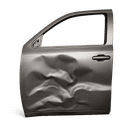
Physical Damage
Can help pay to repair or replace your own truck after an accident, fire, theft, or vandalism.
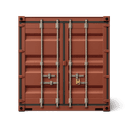
Cargo Coverage
May pay for damage to or theft of the freight you are hauling while it is in your care.
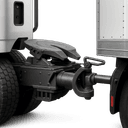
Trailer Interchange
Can help cover damage to trailers you haul under an interchange agreement but do not own.

Bobtail Coverage
May provide liability protection when you drive your tractor without a trailer attached, such as after dropping off a load.

Non-Trucking Liability
Can help cover accidents that happen when you use your truck for personal errands rather than dispatched work.
Commercial Truck Insurance Cost in Los Angeles
Average Cost in California
$575 - $1,675
per month
Businesses in California typically see commercial truck insurance premiums of $575 - $1,675 per month, which tends to run 48% above the national range of $400 - $1,125 per month.
- Radius of operation
- Commodities hauled and cargo value
- Number and value of power units
- Driver motor vehicle records and CDL experience
- DOT safety record, inspections, and FMCSA scores
- Liability limits and physical damage deductibles
Contact CPK Insurance for a personalized quote.
Prices shown are general estimates, not guaranteed rates or quotes. Your actual premium will depend on the insurer, coverage selected, business details, location, claims history, and other underwriting factors. Learn about our pricing methodology.
California pricing runs higher than the baseline used nationally, which means you should expect to pay more per truck than you would in many other states. Route density, the truck's use pattern, claims history, coverage limits, deductible choices, endorsements, and the risk profile tied to the freight you haul all influence your final premium. The state's exposure to natural disasters can affect insurer appetite and how they view garaging locations and operating territory. California's auto loss environment also plays a role. Reckless driving, speeding, and following too closely are among the leading causes of crashes in the state. That means underwriters pay close attention to route exposure and driver history when pricing your policy. If your operation runs in higher-theft or higher-traffic corridors, or if you need cargo coverage, trailer interchange, or physical damage protection, your premium can move higher depending on the risk.
What Makes Los Angeles Different
What sets Los Angeles apart is the sheer density of competing freight moving through the same crowded corridors. A truck here is more likely to make frequent stops in tight commercial districts and sit in locations where theft or vandalism risk runs high. The city has a 14% flood-zone share, meaning roughly one in seven addresses carries flood exposure that could damage parked equipment and freight. Los Angeles also sees citywide crash volume above 135,000 annual crashes, so your drivers are statistically more likely to be involved in an incident on urban routes than in less congested markets.
Our Recommendation for Los Angeles
The real question is whether your coverage fits how your trucks actually work each day. Urban route patterns, cargo exposure, and where equipment sits overnight should drive the buying decision, not a generic template.
Start by mapping where each truck is actually used, including terminals, port-adjacent routes, local delivery zones, and overnight parking locations. When you have those details in hand, you can compare coverage options against them instead of relying on a generic fleet description that may leave gaps.
If your trucks spend time in high-theft areas, physical damage and cargo coverage deserve close attention because parked equipment faces different exposure than highway-only operations. Motor carrier liability should be reviewed alongside contract requirements from shippers and brokers, especially if your routes are tied to retail, food service, or manufacturing customers.
Ask for a quote that reflects garaging address, route density, and claims history, because those factors tell an underwriter how much real-world risk your operation carries on a given day. If you move freight across multiple neighborhoods or keep trailers staged in more than one location, make sure the policy structure matches that reality before you bind.
Get Commercial Truck Insurance in Los Angeles
Enter your ZIP code to compare commercial truck insurance rates from carriers in Los Angeles, CA.
Business insurance starting at $25/mo
FAQ
Frequently Asked Questions
Focus on whether the policy actually fits how your trucks operate in this city. Your motor carrier liability, physical damage, and cargo coverage should all account for urban driving, frequent stops, theft exposure, and where your equipment sits overnight.
Route density, crash exposure, and theft risk can all influence how insurers price a truck. In Los Angeles, heavy traffic corridors and high motor vehicle theft rates can make the route profile an important part of underwriting.
It varies by operation, but local delivery, retail distribution, food service hauling, and manufacturing freight can all create different exposure patterns. Your policy should be matched to the type of cargo you haul and how often your drivers stop, not just to the truck itself.
Los Angeles has wildfire risk, drought conditions, power shutoffs, air quality events, and a 14% flood-zone share. Those factors can affect where trucks are garaged, how trailers are stored, and what your policy may need to address in terms of physical damage from events beyond typical highway wear.
Share your garaging addresses, routes, cargo types, driver records, and any trailer use or staging locations. The more your quote reflects your actual operation, the more accurately it can address the specific risks your trucks face on the road.
In California, the policy can be built around motor carrier liability, physical damage, cargo coverage, trailer interchange, bobtail coverage, and non-trucking liability insurance, depending on how your truck is used and what your contracts require.
California commercial auto minimums are $30,000/$60,000/$15,000, and the policy must also fit any shipper, broker, or motor carrier contract that requires higher liability limits or specific endorsements.
The premium range in California starts at roughly $575 to $1,675 per month per truck, but the final price varies by limits, deductibles, claims history, garaging location, freight type, and endorsements.
Updated July 16, 2026





