Updated July 16, 2026

Dealer Open Lot Insurance in Los Angeles
Los Angeles County supports 304,305 business establishments, which means buyers, lenders, landlords, and neighboring tenants often expect a tighter standard of documentation before inventory sits on a visible lot or shared commercial parcel. That concentration pushes underwriters to ask sharper questions about where your vehicles sleep at night. Protecting your operation means showing it can keep moving if a loss hits units parked outdoors, in overflow storage, or at a secondary address you use during a busy buying cycle. A quote review should match how your inventory actually moves across the county, how often vehicles sit off the main lot, and who needs certificates or evidence of coverage before keys, space, or funding change hands. If your operation relies on leased frontage, overflow parking, or frequent vehicle transfers between locations, ask for location scheduling, valuation method, and reporting expectations to be reviewed line by line before you bind.
Dealer Open Lot Insurance Risk Factors in Los Angeles
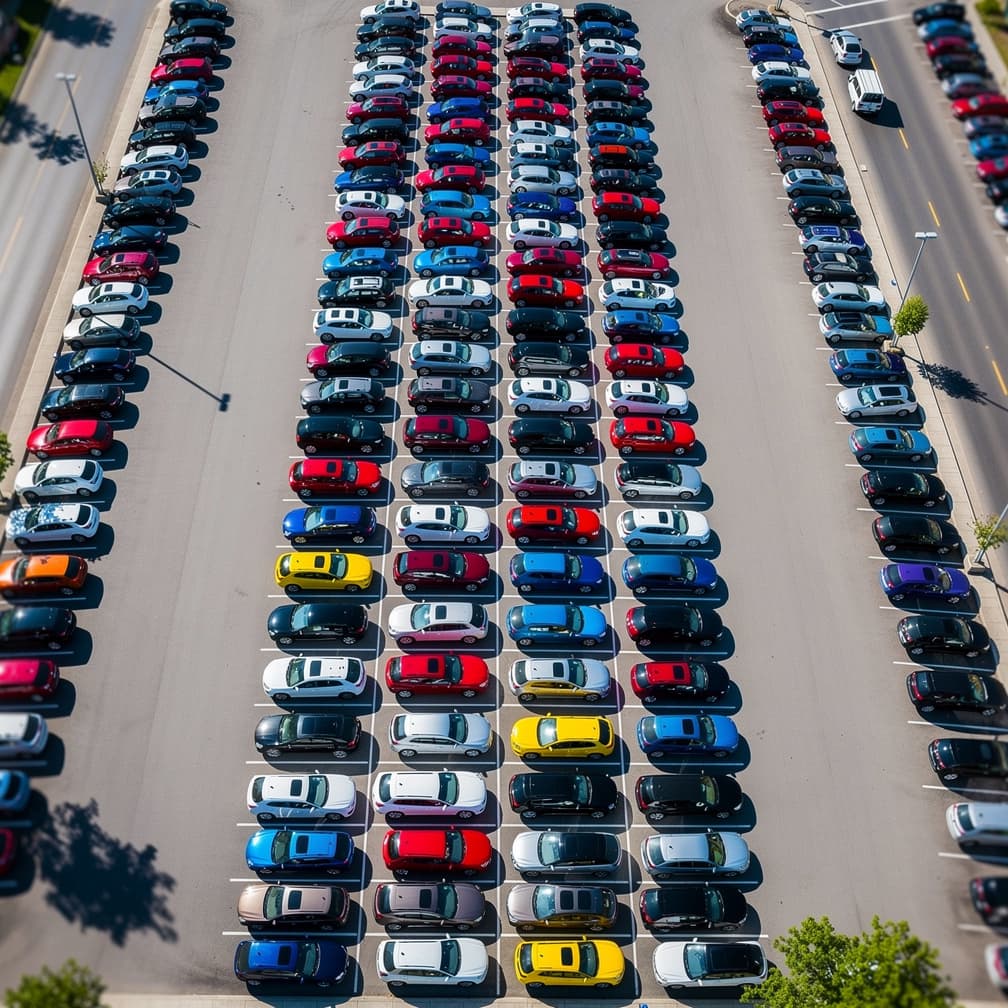
Local storage pattern is the main physical risk issue here. In a dense market, dealers often split inventory between the front line, overflow parking, service-adjacent space, and temporary holding areas while vehicles are bought, reconditioned, photographed, or moved for sale. That creates more chances for a loss to involve **the wrong address, the wrong limit, or a gap** between where a unit is supposed to be and where it actually sits. California hazard exposure is already addressed on the state page, but the local difference is operational: more shared parcels, more visible outdoor storage, and more movement between addresses. Ask your agent to review every place vehicles can be kept, even if you use it only during peak inventory periods, and confirm how newly acquired units, temporary locations, and off-hours storage are treated under the policy terms.
California has a very high climate risk rating. Top hazards: Wildfire (Very High), Earthquake (Very High), Drought (High), Flooding (High). The state's expected annual loss from natural hazards is $9.8B, which influences dealer open lot insurance premiums and may affect coverage availability in high-risk areas.
What Dealer Open Lot Insurance Covers
The useful coverage review is less about repeating the basic causes of loss and more about pressure-testing where your inventory is most exposed. Start with the addresses where vehicles are kept. A dealership with one fenced lot and no offsite storage is underwritten differently from an operation that splits inventory between a retail frontage, a back lot, a recon vendor, and a seasonal overflow location. If your units move between those places during the week, ask how the policy treats ordinary transfers, loading activity, and temporary stops.
You should also review how the policy handles hazard patterns specific to your area. In some regions, wildfire smoke, wind-driven events, or fast-moving fire conditions can affect multiple units at once. In other areas, theft, vandalism, or civil disturbance may be the more practical concern. Near the coast, salt air and weather exposure can change how long vehicles sit outside before sale-ready prep is complete. Underwriters look closely at concentration of values, security controls, and whether losses are more likely to hit one unit or many.
Ask direct questions about any exclusions or sublimits tied to unattended vehicles, open storage, off-premises locations, and employee handling. If you use port-adjacent storage, hillside lots, or dense urban parcels with limited setbacks, say so early. A quote works better when the carrier sees the real storage map, the normal movement pattern, and the points where keys, titles, and vehicles can separate. That is where claim disputes often start, so it is worth clarifying early.
Coverage Included

Weather Damage
Covers hail, wind, flood, and storm damage to lot inventory.
Theft Protection
Covers vehicles stolen from your lot.

Fire Damage
Covers fire and explosion damage to inventory vehicles.

Vandalism
Covers intentional damage to vehicles on your lot.
Test Drive Coverage
Covers vehicles during customer and employee test drives.
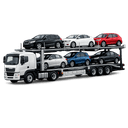
Transit Coverage
Covers vehicles being moved between lot locations.
What Makes Los Angeles Different
Heavy commercial concentration is what changes the calculus here. Space is tighter, neighboring businesses are closer, and inventory storage tends to be more improvised than a single large suburban lot. When a carrier can see exactly where vehicles are kept, how values are tracked, and whether overflow arrangements are routine or occasional, the quote comes back cleaner and with fewer exclusions. If your inventory regularly shifts between a sales lot, a back parcel, and a short term storage address, the underwriting questions become more specific. Lay out every storage address, note who controls each site, and separate permanent locations from temporary overflow so the policy reflects how you actually hold stock.
Our Recommendation for Los Angeles
A clean schedule of every address where units may be stored matters more than your raw vehicle count. Including overflow areas, shared commercial parcels, and any space used during reconditioning or high-volume buying periods gives underwriters what they need to price the risk accurately. Los Angeles median household income is $80,366, so the local buyer pool can absorb a wide range of price points, which means higher-value units may sit on your lot longer and need stronger valuation discipline. Ask whether your limit should reflect peak inventory swings rather than an average month. If you operate near other retail users or on a parcel with multiple tenants, request clear wording around site use, security expectations, and notice requirements when storage patterns change. Before binding, compare the declarations page against your real operating map and fix any address or limit mismatch while it is still easy to correct.
Get Dealer Open Lot Insurance in Los Angeles
Enter your ZIP code to compare dealer open lot insurance rates from carriers in Los Angeles, CA.
Business insurance starting at $25/mo
FAQ
Frequently Asked Questions
Dealers often use more than one place to hold inventory, so carriers want each address tied to the exposure they are being asked to insure. If a unit sits at an unscheduled location, you should ask how that affects limits, reporting, and claim handling.
Business density can change underwriting because underwriters often look closely at where your vehicles are stored, how visible the lot is, and whether overflow parking is routine. Bring a complete address list and explain how inventory moves between sites.
Review any overflow parking before binding, particularly if you use it during auctions, reconditioning backlogs, or seasonal inventory spikes. Even a temporary arrangement matters when vehicles regularly sit there overnight or for multiple business days.
The local median household income of $80,366 can support a broad mix of vehicles and price points, which means higher-value units may sit on your lot longer and require stronger valuation discipline. If your stock includes higher-value units, ask whether your limit should be built around peak inventory value instead of a typical month.
Have the policy reviewed as soon as a storage pattern changes. If you add or replace a location, ask your agent to confirm how the new address is treated and whether notice to the carrier is required under your policy terms.
Landlords, floorplan lenders, and some auction partners commonly ask for proof before space, funding, or vehicle release moves forward. They want confirmation that inventory collateral and business arrangements are not left exposed if a loss interrupts operations.
Dealers usually should disclose every place inventory is stored, even overflow or temporary sites. A quote is more reliable when covered locations match where vehicles actually sit overnight, move for reconditioning, or wait for auction, transport, or frontline placement.
Hazard conditions can change the underwriting conversation because one event may damage multiple units at one address. That is why location details, concentration of values, and security controls matter so much when you compare deductibles, limits, and location-specific terms.
Sources
- 1.U.S. Census Bureau, County Business Patterns, Los Angeles County(Los Angeles County supports 304,305 business establishments.)
- 2.U.S. Census Bureau, ACS 5-Year Estimates, table B19013(Los Angeles median household income is $80,366.)
- 3.California Department of Insurance(California Department of Insurance is California's insurance regulator.)
Updated July 16, 2026