








































Updated July 5, 2026

Garage Keepers Insurance in Los Angeles
Property managers, commercial landlords, lenders, and dealership partners often ask to see clean proof of garage keepers coverage before they hand over keys, approve a lease file, or let customer vehicles sit on a shared lot. For garage keepers insurance in Los Angeles, satisfying that request usually means more than showing a declarations page. You want the insured location, business name, and vehicle handling setup to match how your shop actually operates, especially if cars move between a front apron, a fenced side yard, and an overflow area during a busy week. Here, that paperwork question becomes an operations question fast. A repair shop near Koreatown, a detailer serving apartment-heavy neighborhoods, and a body shop working around dense commercial corridors all create different custody patterns for customer vehicles. If your quote request leaves out where cars wait after hours, who can move them, or whether you use any secondary storage arrangement, you make it harder for an underwriter to line up terms with your real exposure. Before you ask for pricing, gather your address list, key control process, and after-hours parking plan.
Garage Keepers Insurance Risk Factors in Los Angeles
Space is the local issue that changes this coverage most. In a dense market, customer vehicles are more likely to be staged tightly, rotated through small yards, or parked off the main service bay footprint while you wait on parts, approvals, or pickup. That raises practical questions an underwriter will care about: whether cars are boxed in, whether staff must move multiple vehicles to release one, whether any unit sits curbside even briefly, and whether your lot layout changes after business hours. California hazard exposure is part of the background, but the city-level buying decision usually turns on **where vehicles physically sit** and how consistently you control access. If your operation uses stacked parking, alley access, valet-style shuffling, or a separate overnight area, ask for those details to be reflected in the submission. A cleaner site diagram and a plain description of overnight storage can help the quote match your actual custody exposure.
California has a very high climate risk rating. Top hazards: Wildfire (Very High), Earthquake (Very High), Drought (High), Flooding (High). The state's expected annual loss from natural hazards is $9.8B, which influences garage keepers insurance premiums and may affect coverage availability in high-risk areas.
What Garage Keepers Insurance Covers
The practical review point is how your policy responds when a customer's vehicle is damaged while it is parked on your lot, stored inside your building, waiting for parts, lined up for service, or being moved by your staff as part of normal operations. In this state, that review often gets more specific because storage conditions vary sharply. A coastal operation may worry about corrosion and open lot exposure, while an inland yard may focus on heat, dust, and how closely vehicles are parked during busy weeks.
You should ask for a line by line explanation of the coverage basis offered, the deductible that applies, and any conditions tied to indoor versus outdoor storage. Your business may keep vehicles overnight, use sublet vendors, or have employees who road test and park units off site. Each of those steps should be disclosed during quoting rather than argued after a claim. Ask where responsibility shifts when a vehicle leaves your premises and when it returns, and make sure movement between buildings is part of the conversation.
Documentation discipline matters here too. A claim is easier to sort out when your intake photos, check in forms, key logs, and lot maps show exactly where the vehicle was kept and who last handled it. The state's insurance regulator expects policy language, claims handling, and producer representations to be clear. That means you should look for policy documents that spell out what is and is not included in plain terms, ask your producer to confirm any ambiguous clauses in writing, and hold off binding until the coverage description matches your actual daily workflow.
Coverage Included
Collision Coverage
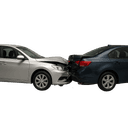
Covers damage to customers' vehicles from collisions while in your care.

Comprehensive Coverage
Covers theft, vandalism, fire, and weather damage to customers' vehicles.

Specified Perils
Covers only specifically named perils at a lower premium.

Legal Liability
Covers damage you or your employees directly cause to a customer's vehicle.

Direct Primary
Pays regardless of fault, the broadest garage keepers coverage available.
Industries & Insurance Needs in Los Angeles
Los Angeles County business density changes the demand side of this product. The county has 304,305 business establishments, so local shops often serve commercial clients, employee vehicles, and vendor fleets that expect formal proof of coverage before leaving a unit in your care. The county mix also matters: professional, scientific, and technical services account for 14% of establishments, health care and social assistance 12.4%, and retail trade 9.6%. That means many customer vehicles belong to businesses that rely on predictable scheduling and clear handoff procedures. If you work on cars used for home visits, retail deliveries, or client-facing appointments, your intake process and storage controls matter more because those owners often expect tighter documentation from drop-off through pickup. In practice, that makes intake photos, key logs, and clear storage rules more important here than a bare minimum certificate request. Bring those procedures into the quote conversation, not just your square footage.
What Makes Los Angeles Different
Density is what changes the calculus here. In many markets, the main question is simply whether customer vehicles stay overnight. In Los Angeles, the harder question is how they are stored, moved, and released when space is tight and turnover is constant. A shop can have the same number of vehicles as a suburban operation but a very different exposure because every handoff involves tighter parking, more repositioning, and less margin for error around entrances, alleys, and shared access points. That is why a city-specific review should focus on vehicle flow, not just vehicle count. If your team routinely shuffles cars to reach a completed unit, uses a porter to stage pickups, or relies on a neighboring area for temporary holding, those details can matter as much as the repair work itself. The useful next step is to map the path a customer vehicle takes from drop-off to pickup and make sure your quote request follows that path clearly.
Our Recommendation for Los Angeles
Start with your lot map and your busiest day, not your slowest one. Show where customer vehicles wait before estimate approval, where in-process units sit, where completed vehicles stay for pickup, and whether any cars are ever kept outside the main fenced footprint. Then review who has authority to move vehicles, how keys are tagged and stored, and whether road testing or sublet trips create any handoff gaps. If you serve apartment residents, office workers, or nearby commercial accounts, ask your agent to review whether your policy setup matches the longer dwell times and compressed parking patterns that often come with that customer mix. Los Angeles also rewards clean documentation. Intake photos, signed drop-off instructions, and a written overnight parking routine can help you present a more accurate risk to the market. Before binding, compare the quoted location details against your actual operation line by line, especially any overflow or secondary storage area.
Get Garage Keepers Insurance in Los Angeles
Enter your ZIP code to compare garage keepers insurance rates from carriers in Los Angeles, CA.
Business insurance starting at $25/mo
FAQ
Frequently Asked Questions
Los Angeles landlords usually want proof that matches your operating location and business name, plus enough detail to show customer vehicles are actually contemplated at that premises. If you use any overflow or secondary storage area, bring that up before you bind.
Los Angeles lot layout can change the review because tight parking often means more vehicle shuffling, more key handling, and more after-hours staging decisions. A quote is stronger when you explain where cars sit, who moves them, and how access is controlled.
Los Angeles County has 304,305 business establishments, so many local customers are businesses that expect formal proof of coverage and clear intake procedures before leaving a vehicle with you. If you serve fleets or employee vehicles, document your custody process early.
Los Angeles County customer mix can matter because professional, scientific, and technical services are 14% of establishments, health care and social assistance 12.4%, and retail trade 9.6%. If those clients rely on their vehicles daily, ask for a tighter review of storage and release procedures.
Los Angeles operations should mention any secondary yard, shared lot, or overflow parking arrangement before quoting. If customer vehicles ever leave the main service footprint, that detail can affect how an underwriter evaluates your custody exposure and location setup.
Repair shops should review it whenever customer vehicles stay in your custody for service, parts delays, or overnight storage. The right answer depends on how vehicles are parked, moved, and secured on your premises, not just on the type of shop you run.
Body shops should disclose every place customer vehicles are stored, including overflow and temporary lots. If a location is part of your normal workflow, listing it during quoting is safer than trying to explain it after a loss.
Quotes can be shaped by regional catastrophe exposure because underwriters look at where vehicles are stored, how many remain outside, and whether your site plan allows quick relocation. Clear storage details usually lead to a more accurate review.
Sources
- 1.U.S. Census Bureau, County Business Patterns, Los Angeles County(Los Angeles County has 304,305 business establishments, so local shops often serve commercial clients, employee vehicles, and vendor fleets that expect formal proof of coverage before leaving a unit in your care.; The county mix also matters: professional, scientific, and technical services account for 14% of establishments, health care and social assistance 12.4%, and retail trade 9.6%.)
Updated July 5, 2026





