Updated July 16, 2026

Builders Risk Insurance in San Diego
Builders risk insurance in San Diego starts with one local pressure point that catches out-of-town underwriters off guard: real estate here is expensive. With a median home value of $848,500, the completed value on your project deserves a harder look than it might in a cheaper market. On a custom home in La Jolla, a major remodel in North Park, or an infill project near Mission Valley, underinsuring the job can leave you short when materials, labor, and carrying costs keep moving while the site is shut down. The city's median household income sits at $104,321. That kind of buying power tends to drive structural upgrades rather than surface-level cosmetic work, which raises the replacement cost basis your policy should reflect. A policy written to cosmetic-replacement values will not pay for the structural work actually planned. Your policy can help match the real contract value and any owner-furnished materials. Before you request terms, line up your construction budget and change orders alongside the timeline for materials to arrive and be installed. That gives the underwriter a clearer picture of what is actually at risk and helps you weigh deductible options against the cash you would need to keep the project moving after a covered loss.
Builders Risk Insurance Risk Factors in San Diego
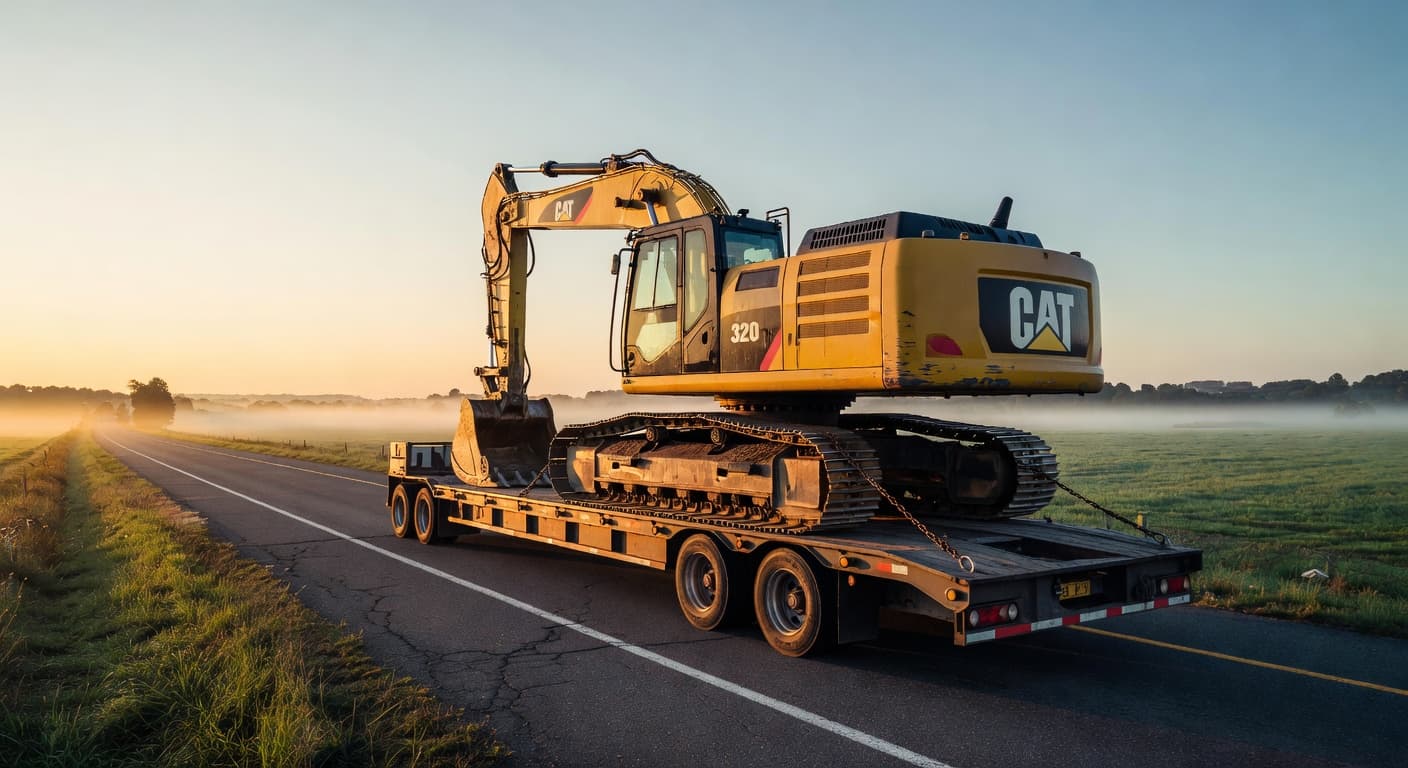
Local site security and staging matter more here than many buyers expect. Coastal and urban projects often work on tighter footprints, with materials delivered in phases instead of stored deep on site, so your builders risk review should spell out where property sits before installation, how the site is fenced, and who is responsible for overnight protection. That becomes more important on renovations and additions where the existing structure and new materials may be moving through the same address. California hazard issues are already part of the broader state conversation, but the local difference is operational: dense neighborhoods, limited laydown space, and frequent handoffs between trades can create avoidable gaps if the application is vague. Ask for a policy review that matches the actual staging plan, temporary storage arrangements, and whether any **off-site or in-transit property** needs to be scheduled.
California has a very high climate risk rating. Top hazards: Wildfire (Very High), Earthquake (Very High), Drought (High), Flooding (High). The state's expected annual loss from natural hazards is $9.8B, which influences builders risk insurance premiums and may affect coverage availability in high-risk areas.
What Builders Risk Insurance Covers
Start with how a loss would interrupt the job, not with a generic list of covered property. A carrier will want to understand whether your project faces wildfire-adjacent exposure, earthquake concerns, flood-prone conditions, or wind-driven damage. Each hazard can affect what is offered, what is limited, and what documentation is needed. Your coverage review should match the site, the phase of construction, and the way materials and equipment move through the project.
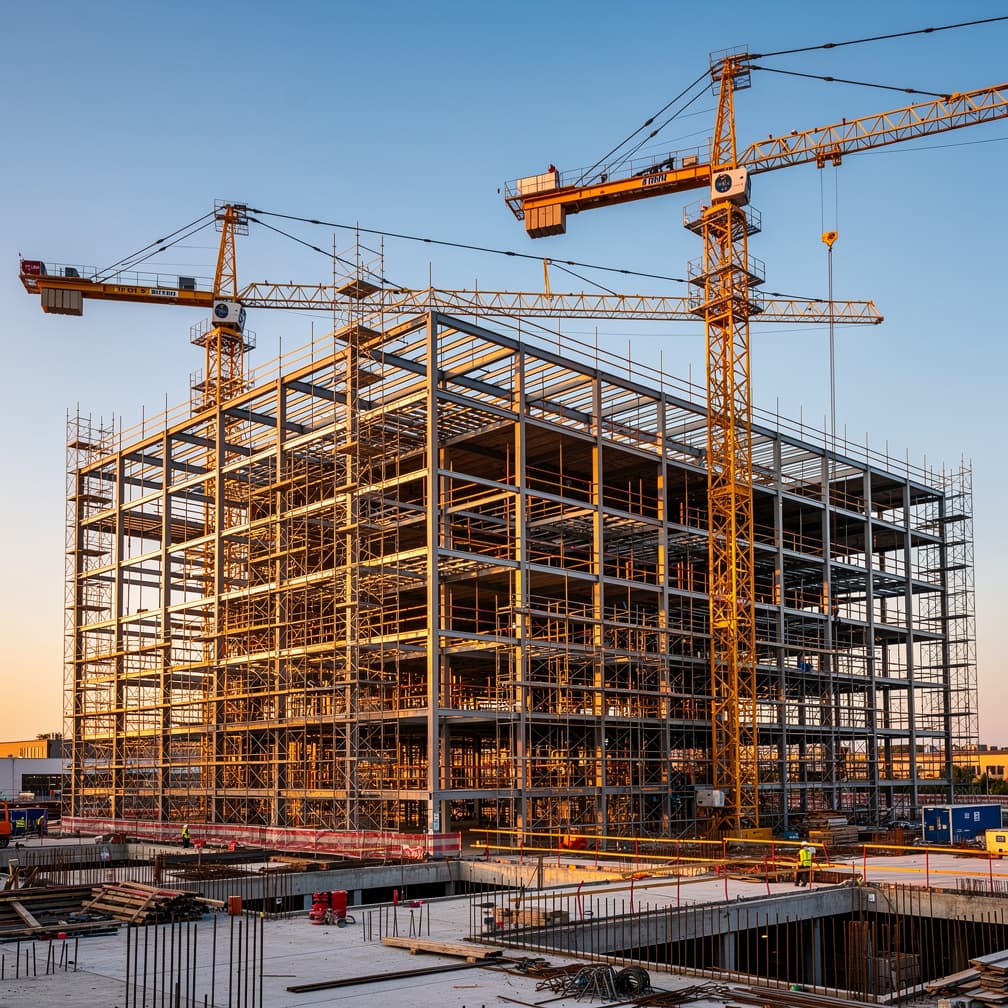
For a California build, pay close attention to property that is vulnerable before it is fully enclosed. Framing, roofing materials, windows awaiting installation, mechanical components staged on site, and temporary structures can all create different claim scenarios depending on where the project sits and how the site is secured. If the job includes renovation work, ask how existing structures are treated and whether the policy approach changes once crews are working inside an occupied or partially occupied building.
You should also review delay-related exposures carefully. If a fire or severe storm damages your framing, the physical repair is only part of the problem. You still have to pay extended loan interest, re-coordinate subcontractors, and push back your delivery date. A covered property loss can create financing, scheduling, and subcontractor coordination problems even after physical repairs begin. If your lender or contract requires certain time-element protections, ask for those terms to be reviewed against the actual schedule and critical path items. Do not assume one form fits every project. Ask the quoting team to walk through exclusions, sublimits, soft cost options, testing or installation exposures, and any conditions tied to hazard-prone locations.
Coverage Included

Structure Coverage
Covers the building or structure under construction.

Materials on Site
Covers building materials stored at the construction site.

Materials in Transit
Covers materials being transported to the job site.
Temporary Structures
Covers scaffolding, fencing, and temporary buildings.

Soft Costs
Covers additional expenses from construction delays due to covered losses.

Equipment Coverage
Covers permanently installed fixtures and equipment.
Industries & Insurance Needs in San Diego
San Diego County's business base changes the project mix around you. The county has 92,799 business establishments, and its largest establishment shares are professional, scientific, and technical services at 17.3%, health care and social assistance at 12.1%, and retail trade at 10%, so a lot of local construction activity involves tenant improvements, office build-outs, clinic upgrades, and occupied-space renovations rather than only ground-up residential work. That matters because builders risk on these jobs often turns on phasing, access, protection of existing property, and how work is separated from ongoing operations. If your project touches an occupied suite, medical space, or a retail location that cannot stay dark for long, bring the construction schedule, scope by phase, and any shutdown windows into the quote request. A generic submission can miss the real exposure and leave you comparing terms that are not built for the way the job will actually be executed.
What Makes San Diego Different
In this market, small errors in completed value can become large uninsured gaps once demolition and specialty finishes are added back in. The same goes for owner upgrades and delay-related costs. The insurance review can help separate what is already there from what is being built, then decide whether soft costs and temporary works should be included. Materials waiting for installation deserve the same attention. Not chasing the lowest deductible or the leanest limit is usually the smarter move here. It is pressure-testing the statement of values against the actual contract, allowances, and change-order process. If the numbers on the application lag behind the real job, the policy may look adequate on paper but still leave the owner or contractor funding the gap to get the project back on track.
Our Recommendation for San Diego
For a local review, ask your agent to compare the declared completed value against the signed contract and any soft costs that would continue if the project paused after a covered loss. On remodels, it helps to clarify whether coverage is intended for only the new work or also for parts of the existing structure that could be affected during construction. On tighter urban sites, it helps to confirm how materials are protected before installation and whether any property kept off site or in transit should be addressed. If a lender is involved, you may want to match the quote request to the loan requirements before binding so you do not have to rework limits late in the process. The practical next step is to send one clean package with your plans and timeline alongside budget and security details. Then compare quotes on scope and deductible fit, not just price.
Get Builders Risk Insurance in San Diego
Enter your ZIP code to compare builders risk insurance rates from carriers in San Diego, CA.
Business insurance starting at $25/mo
FAQ
Frequently Asked Questions
San Diego projects often sit on expensive real estate, so a low completed value can create a real shortfall. Before you bind coverage, it helps to take time to review the contract value and upgrades as a single connected picture rather than isolated line items. Owner-furnished materials belong in that same picture.
Remodels here often involve custom finishes, appliances, or fixtures purchased outside the main contract. When owners supply materials, it helps to list them clearly in the submission so the review can address whether they belong in the policy.
San Diego County has 92,799 business establishments. Roughly nine in ten local jobs are tenant improvements and occupied-space renovations, which means underwriters see plenty of similar submissions. Your phasing plan and access restrictions are what set yours apart. Shutdown windows and protection details for existing property matter just as much. It helps to bring those into the quote request.
San Diego County's leading sectors include professional services at 17.3%, health care at 12.1%, and retail at 10%. In other words, a large share of local construction happens inside buildings that are still open for business. A disruption in one part of the building can idle staff or shut down revenue in another, which makes phasing and business interruption-sensitive scheduling more important. Separation of work areas deserves the same careful attention.
The California Department of Insurance oversees this coverage. That oversight matters because it shapes which policy forms and endorsements are available to you, so use policy documents and quote questions that match state filing and consumer oversight expectations.
Projects in wildfire-prone areas often face closer underwriting review. Be ready to explain site protections, material storage, and how the job is secured after hours.
Renovation projects often need a more detailed review because occupied space, existing structures, and phased work can change how coverage is structured. Check the policy approach against the actual renovation plan.
Lenders often tie insurance evidence to loan and draw requirements. Compare the lender checklist with the construction contract early to avoid naming or coverage gaps.
Sources
- 1.U.S. Census Bureau, ACS 5-Year Estimates, table B25077(With a median home value of $848,500, builders risk insurance in San Diego often deserves a harder look at completed value, soft-cost add-ons, and the deductible you can actually absorb if a loss stalls the schedule.)
- 2.U.S. Census Bureau, ACS 5-Year Estimates, table B19013(The city's median household income is $104,321, which is another signal that owners here may be putting substantial equity into upgrades rather than cosmetic work, so the policy should match the real contract value and any owner-furnished materials.)
- 3.U.S. Census Bureau, County Business Patterns, San Diego County(San Diego County has 92,799 business establishments, and its largest establishment shares are professional, scientific, and technical services at 17.3%, health care and social assistance at 12.1%, and retail trade at 10%, so a lot of local construction activity involves tenant improvements, office build-outs, clinic upgrades, and occupied-space renovations rather than only ground-up residential work.)
Updated July 16, 2026