Updated July 16, 2026

Commercial Auto Insurance in San Diego
Property managers, general contractors, venues, and lenders around San Diego often ask for current proof of auto liability before they hand over gate access, approve a vendor, or release work on a site. Satisfying that request usually means matching the named insured to the vehicle title, listing the right drivers, and carrying limits that fit how your pickups, vans, or service units actually move between neighborhoods, job sites, and client stops. San Diego County has roughly 92,799 business establishments, which means you are likely to face certificate requests and vendor onboarding paperwork almost weekly. If your vehicles carry tools, samples, medical equipment, or retail inventory, ask for a quote that separates personal errands from business use and checks whether your radius, garaging, and driver list still match day-to-day operations.
Commercial Auto Insurance Risk Factors in San Diego
San Diego's top risk factors include Wildfire risk, Drought conditions, Power shutoffs, and Air quality events. San Diego's crime index of 104 (national avg: 100) increases vehicle theft risk, comprehensive auto coverage is important here.
California has a very high climate risk rating. Top hazards: Wildfire (Very High), Earthquake (Very High), Drought (High), Flooding (High). The state's expected annual loss from natural hazards is $9.8B, which influences commercial auto insurance premiums and may affect coverage availability in high-risk areas.
What Commercial Auto Insurance Covers
Commercial auto insurance in California is built around business use, not personal errands. The policy can be structured for one company car or a larger fleet. Core protections include liability, collision, comprehensive, medical payments, and uninsured motorist coverage. Liability addresses bodily injury and property damage claims from a vehicle accident involving your business vehicle.
California's minimum commercial vehicle liability requirement is split into per-person bodily injury, per-accident bodily injury, and property damage limits. All commercial vehicles must be registered with the California DMV, so compliance starts before the first quote is bound. Because California has a 15.2% uninsured driver rate, uninsured and underinsured motorist protection may be required and is especially relevant for driving in dense metro areas and on busy delivery routes.
Collision coverage helps with damage from a crash, while comprehensive can respond to theft, wildfire-related damage, weather events, or other non-collision losses. That matters in a state with very high wildfire risk and high motor vehicle theft activity. This coverage is an important add-on if your business rents vehicles or employees use personal cars for work errands, client visits, or deliveries. Coverage terms vary by carrier, but the policy should be reviewed against California's requirements and your actual driving exposure.
Coverage Included

Bodily Injury Liability
Covers injuries you cause to others in an accident

Property Damage Liability
Covers damage you cause to others' property
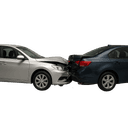
Collision Coverage
Pays for damage to your vehicle in an accident

Comprehensive Coverage
Covers theft, vandalism, weather, and animal damage

Medical Payments
Covers medical costs for your drivers and passengers

Uninsured Motorist
Protection when the other driver lacks insurance
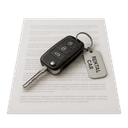
Hired & Non-Owned Auto
Covers rented or employee-owned vehicles used for work
Commercial Auto Insurance Cost in San Diego
Average Cost in California
$160 - $525
per month
Businesses in California typically see commercial auto insurance premiums of $160 - $525 per month, which tends to run 25% above the national range of $140 - $410 per month.
- Fleet size and vehicle types
- Driver records and experience
- Coverage limits and deductibles
- Business industry and use
- Annual mileage and operating radius
- Claims history
Rates based on small business averages. Your actual premium may vary.
Prices shown are general estimates, not guaranteed rates or quotes. Your actual premium will depend on the insurer, coverage selected, business details, location, claims history, and other underwriting factors. Learn about our pricing methodology.
Commercial auto insurance cost in California is shaped by both business risk and the state's market conditions. The average premium range is $160 to $525 per month per vehicle, which sits 28% above the national average. Small business averages also indicate about $1,200 to $2,400 per vehicle annually, but actual pricing varies by fleet size, vehicle types, driver records, coverage limits, deductibles, business use, mileage, operating radius, and claims history.
California's premium index of 128, combined with a broad field of competing insurers, shows a competitive market with elevated pricing factors rather than a fixed statewide rate. The state recorded 485,000 crashes in 2023, which means insurers are pricing for real accident volume on the roads your drivers use every day. The average claim cost is $16,190, which can quickly strain a business if your liability limits are too low, and top crash causes include reckless driving, speeding, following too closely, drowsy driving, and lane departure.
A fleet operating in dense traffic or covering long service routes may see higher costs than a business with limited local use. Wildfire risk is another pricing factor, especially for vehicles parked outdoors, stored near brush, or used in areas with repeated disaster declarations. The carrier will usually price the vehicle schedule, driver profile, and coverage choices together rather than giving a one-size-fits-all number.
Industries & Insurance Needs in San Diego
San Diego County's business mix changes how many owners should think about vehicle use. Professional, scientific, and technical services account for 17.3% of county establishments, health care and social assistance 12.1%, and retail trade 10%, so a lot of local driving is not long haul trucking. It is consultants visiting client locations, health-related staff moving between appointments, and retailers handling deliveries, pickups, or bank runs. That matters because your quote should describe the real pattern of use, not just the vehicle type. A cargo van used for scheduled service calls is underwritten differently from a sedan used by staff for occasional client meetings, even if both are parked at the same address. If your business sits in one of these common county sectors, review who drives, what is carried, whether employees use personal cars for work, and whether hired and non-owned auto belongs in the conversation.
What Makes San Diego Different
Many buyers run into commercial auto questions not because they suddenly add more vehicles, but because a landlord, project owner, lender, or procurement team asks for proof that the policy details line up with the way the business actually operates. A mismatch between the business name on a contract and the named insured on the policy can slow down work even before a claim happens. The county's dense vendor environment makes requests for certificates and evidence of coverage routine. If you use one vehicle across multiple roles, such as sales calls during the week and material pickup on weekends, ask your agent to review classification and vehicle ownership before you send proof of insurance to a third party.
Our Recommendation for San Diego
Gather the paperwork another party will actually review, then compare your vehicle registrations, lease or loan documents, driver list, and any contract insurance requirements against the named insured and covered autos on your current policy. If your business serves higher-income households, remember that San Diego's median household income is $104,321, which means a fender bender in a newer vehicle can run thousands more than you might expect. From there, think through how each vehicle actually gets used day to day, whether that means client visits, deliveries, service calls, equipment transport, or employees running errands in personal cars. The clearer you are about usage, the more accurate your quote structure becomes and the less likely you are to under-describe your exposure. Before renewing, ask about driver eligibility and whether any newly added vehicle or employee should be scheduled now rather than after a contract requires updated proof.
Get Commercial Auto Insurance in San Diego
Enter your ZIP code to compare commercial auto insurance rates from carriers in San Diego, CA.
Business insurance starting at $25/mo
FAQ
Frequently Asked Questions
San Diego buyers usually need proof that the named insured, covered vehicles, and listed drivers match contracts and registrations. Vendor onboarding is common, so ask for policy details that hold up during certificate review.
San Diego County business mix matters because **professional services are 17.3% of establishments**, health care and social assistance 12.1%, and retail trade 10%. In practical terms, that means a lot of service calls, client appointments, and deliveries on the road, so describing actual vehicle use carefully helps ensure your quote reflects real risk.
San Diego can justify a closer look at limits because the city's median household income is $104,321. When the vehicles and property around you carry higher price tags, even a minor at-fault incident can translate into a much larger payout, so review whether your current limits still fit your routes and clients.
If your employees use personal vehicles for deposits, supply runs, or client visits, that exposure often slips through the cracks until a contract asks for proof or a claim reveals the gap. A quick review of your policy can help confirm whether those trips are addressed before either situation arrives at your door.
San Diego small fleets still face documentation scrutiny because third parties often want current proof before access, funding, or work begins. Even with one or two vehicles, take the time to confirm that your titles, registrations, drivers, and business name all match the policy record.
In California, it may help cover liability, collision, comprehensive, medical payments, and uninsured motorist protection for a business vehicle, plus hired and non-owned auto exposure if the right endorsement is added.
The state range is about $160 to $525 per month per vehicle, and small business averages are about $1,200 to $2,400 per vehicle annually, but the actual price depends on fleet size, vehicle type, driver records, mileage, and claims history.
Businesses using company cars, vans, trucks, specialty vehicles, or employee-owned cars for work should review it, especially if they drive to client sites, make deliveries, or carry tools and materials.
Sources
- 1.U.S. Census Bureau, County Business Patterns, San Diego County(In a county with 92,799 business establishments, certificate requests and vendor onboarding are routine, so even a small fleet can run into insurance scrutiny quickly.; Professional, scientific, and technical services account for 17.3% of county establishments, health care and social assistance 12.1%, and retail trade 10%, so a lot of local driving is not long haul trucking.)
- 2.U.S. Census Bureau, ACS 5-Year Estimates, table B19013(San Diego's median household income is $104,321, so property damage claims can involve newer vehicles and costlier repairs than owners expect.)
Updated July 16, 2026