







































Updated July 16, 2026

Commercial Truck Insurance in San Diego
Professional, scientific, and technical services make up 17.3% of San Diego County's business establishments, followed by health care at 12.1% and retail at 10%. That mix means your trucks are more likely pulling up to office loading docks, clinic side entrances, and retail back doors than running long-haul freight lanes. You may be delivering equipment to business parks, moving supplies between medical sites, or handling scheduled retail replenishment where missed windows can strain contracts. The county has roughly 92,799 business establishments, so certificates of insurance and higher expectations around documented limits come up often when you work for property managers or institutional buyers. Here, your policy review should match how your trucks actually operate: radius, garaging, driver schedules, loading practices, and whether you cross between service calls and delivery work in the same unit.
Commercial Truck Insurance Risk Factors in San Diego
San Diego's top risk factors include Wildfire risk, Drought conditions, Power shutoffs, and Air quality events.
California has a very high climate risk rating. Top hazards: Wildfire (Very High), Earthquake (Very High), Drought (High), Flooding (High). The state's expected annual loss from natural hazards is $9.8B, which influences commercial truck insurance premiums and may affect coverage availability in high-risk areas.
What Commercial Truck Insurance Covers
Commercial truck insurance in California is built around how your trucks operate on state roads, in yards, and across shipper contracts. Motor carrier liability can serve as the core protection for many trucking risks, and it is the piece most often connected to commercial truck insurance requirements when a shipper, broker, or motor carrier agreement calls for proof of financial responsibility. Physical damage coverage can help protect your tractor or trailer from collision-related losses. Cargo insurance may help cover goods in transit, which matters for freight moving through high-theft and high-traffic areas. Trailer interchange coverage may apply when you are responsible for a trailer under an interchange agreement. Bobtail coverage or non-trucking liability may apply when a tractor is being driven outside dispatch. The Department of Insurance regulates the market rather than setting one one-size-fits-all trucking policy. Commercial auto minimums in California changed this year, but those minimums do not automatically match what a shipper, broker, or motor carrier contract may require. Policies also vary by whether you run a semi-truck, tractor-trailer, box truck, flatbed, dump truck, tanker, refrigerated truck, or delivery van.
Coverage Included

Motor Carrier Liability
Can help cover injuries and property damage your truck causes to others, a coverage federal regulators require most for-hire carriers to maintain.
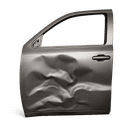
Physical Damage
Can help pay to repair or replace your own truck after an accident, fire, theft, or vandalism.
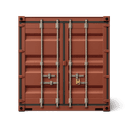
Cargo Coverage
May pay for damage to or theft of the freight you are hauling while it is in your care.
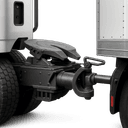
Trailer Interchange
Can help cover damage to trailers you haul under an interchange agreement but do not own.

Bobtail Coverage
May provide liability protection when you drive your tractor without a trailer attached, such as after dropping off a load.

Non-Trucking Liability
Can help cover accidents that happen when you use your truck for personal errands rather than dispatched work.
Commercial Truck Insurance Cost in San Diego
Average Cost in California
$575 - $1,675
per month
Businesses in California typically see commercial truck insurance premiums of $575 - $1,675 per month, which tends to run 48% above the national range of $400 - $1,125 per month.
- Radius of operation
- Commodities hauled and cargo value
- Number and value of power units
- Driver motor vehicle records and CDL experience
- DOT safety record, inspections, and FMCSA scores
- Liability limits and physical damage deductibles
Contact CPK Insurance for a personalized quote.
Prices shown are general estimates, not guaranteed rates or quotes. Your actual premium will depend on the insurer, coverage selected, business details, location, claims history, and other underwriting factors. Learn about our pricing methodology.
California pricing runs higher than the baseline used nationally, which means you should expect to pay more per truck than you would in many other states. Route density, the truck's use pattern, claims history, coverage limits, deductible choices, endorsements, and the risk profile tied to the freight you haul all influence your final premium. The state's exposure to natural disasters can affect insurer appetite and how they view garaging locations and operating territory. California's auto loss environment also plays a role. Reckless driving, speeding, and following too closely are among the leading causes of crashes in the state. That means underwriters pay close attention to route exposure and driver history when pricing your policy. If your operation runs in higher-theft or higher-traffic corridors, or if you need cargo coverage, trailer interchange, or physical damage protection, your premium can move higher depending on the risk.
What Makes San Diego Different
In many markets, truck insurance is built around fixed routes or a narrow cargo profile. Around San Diego, a large share of the customer base comes from office, technical, medical, and retail activity, which can blur the line between delivery, installation, mobile service, and scheduled vendor work. That changes what you should verify in a quote. When a truck carries tools, replacement parts, or specialized equipment, what is actually on board can shift how those items need to be insured, and the same goes for supervisors or technicians in company vehicles where driver assignments, vehicle reassignments, and certificate language all need to stay aligned. The key is to classify each unit by real use, not by the broadest label on your website or invoice, then ask your agent to review any mismatch before binding.
Our Recommendation for San Diego
Start with your contracts and dispatch pattern, not just the truck schedule. Many operators here serve commercial clients that expect proof of coverage before access is granted or work begins, so you should review certificate requirements, additional insured requests, and any stated auto liability limits before renewal. If one truck handles mixed duties like morning deliveries and afternoon service calls, say that plainly during quoting because underwriting can change when the same unit carries inventory, tools, or customer property. Make sure garaging addresses, driver assignments, and vehicle values stay current, because units that rotate between crews or job types tend to drift out of sync with what the carrier actually has on file. If you subcontract overflow work, ask whether your risk transfer process is strong enough and whether your own policy assumptions still fit. When you compare quotes, look past the premium to whether the carrier is pricing the operation you actually run and whether the paperwork will satisfy the clients you want to keep.
Get Commercial Truck Insurance in San Diego
Enter your ZIP code to compare commercial truck insurance rates from carriers in San Diego, CA.
Business insurance starting at $25/mo
FAQ
Frequently Asked Questions
Gather your vehicle schedule, driver list, garaging addresses, loss runs, and a few sample client contracts. Local vendor work tends to involve frequent certificate requests and contract-driven limit reviews, so having those documents organized speeds up the process.
San Diego County has a service-heavy customer base, with professional, scientific, and technical services at 17.3%, health care at 12.1%, and retail at 10%. What that means for you is more scheduled deliveries, service calls, and certificate requests where classification accuracy matters.
Short, frequent trips tend to create different underwriting questions than a simple long-haul description suggests, because each unit may be used differently depending on who drives it and what stays in the vehicle between stops. Reviewing those details before quoting helps avoid classification gaps that can surface during a claim or audit.
Contract work often affects the quote process because clients may ask for specific liability limits, certificates, or additional insured wording. Check those requirements before binding so your policy structure lines up with the jobs you are trying to win.
In California, the policy can be built around motor carrier liability, physical damage, cargo coverage, trailer interchange, bobtail coverage, and non-trucking liability insurance, depending on how your truck is used and what your contracts require.
California commercial auto minimums are $30,000/$60,000/$15,000, and the policy must also fit any shipper, broker, or motor carrier contract that requires higher liability limits or specific endorsements.
The premium range in California starts at roughly $575 to $1,675 per month per truck, but the final price varies by limits, deductibles, claims history, garaging location, freight type, and endorsements.
Many California trucking operations may benefit from motor carrier liability as the foundation, then add cargo coverage if they haul freight and physical damage coverage if they want protection for the tractor or trailer itself.
Sources
- 1.U.S. Census Bureau, County Business Patterns, San Diego County(Professional, scientific, and technical services hold the largest establishment share in San Diego County at 17.3%, ahead of health care and social assistance at 12.1% and retail trade at 10%.; The county has 92,799 business establishments.)
Updated July 16, 2026





