Updated July 5, 2026

Dealer Open Lot Insurance in San Diego
Are you asking whether dealer open lot insurance in San Diego needs anything different from a standard California review? Yes. Here, the main difference is how often your inventory, lenders, and buyers intersect with a dense local business market that can speed up vehicle movement and tighten documentation expectations. If you store units near freeway retail corridors, move vehicles between a primary lot and overflow space, or rely on quick turn financing, your quote should match that operating pattern instead of assuming one static location. San Diego County has 92,799 business establishments, so dealers often work around neighboring tenants, shared commercial properties, service vendors, and lender site inspections that make clean proof of coverage and accurate location schedules more important before inventory shifts. That matters even more if your sales mix includes higher value used vehicles, because a gap between where autos are actually kept and where the policy says they are kept can slow a claim review. Before you request terms, line up every storage address, your peak lot values, any off-site parking arrangement, and how often units move between locations during the month.
Dealer Open Lot Insurance Risk Factors in San Diego
San Diego's top risk factors include Wildfire risk, Drought conditions, Power shutoffs, and Air quality events.
California has a very high climate risk rating. Top hazards: Wildfire (Very High), Earthquake (Very High), Drought (High), Flooding (High). The state's expected annual loss from natural hazards is $9.8B, which influences dealer open lot insurance premiums and may affect coverage availability in high-risk areas.
What Dealer Open Lot Insurance Covers
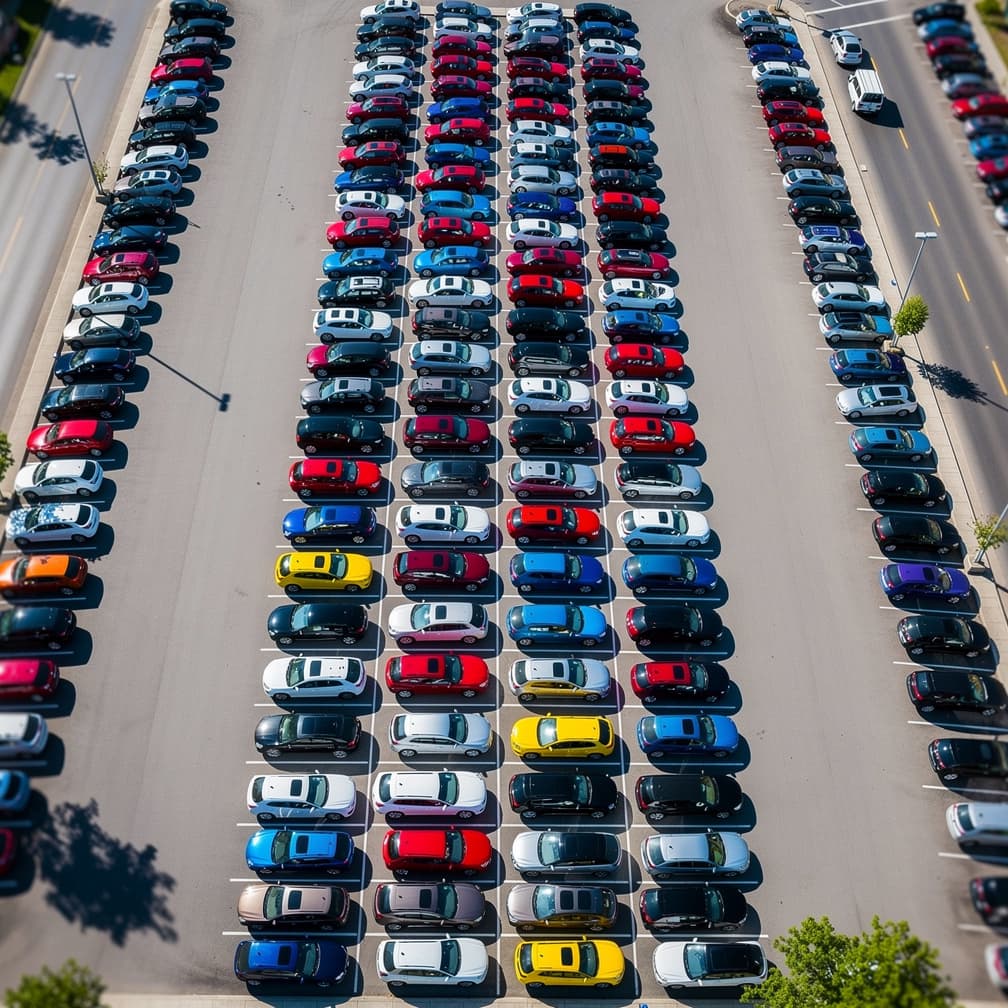
The useful coverage review is less about repeating the basic causes of loss and more about pressure-testing where your inventory is most exposed. Start with the addresses where vehicles are kept. A dealership with one fenced lot and no offsite storage is underwritten differently from an operation that splits inventory between a retail frontage, a back lot, a recon vendor, and a seasonal overflow location. If your units move between those places during the week, ask how the policy treats ordinary transfers, loading activity, and temporary stops.
You should also review how the policy handles hazard patterns specific to your area. In some regions, wildfire smoke, wind-driven events, or fast-moving fire conditions can affect multiple units at once. In other areas, theft, vandalism, or civil disturbance may be the more practical concern. Near the coast, salt air and weather exposure can change how long vehicles sit outside before sale-ready prep is complete. Underwriters look closely at concentration of values, security controls, and whether losses are more likely to hit one unit or many.
Ask direct questions about any exclusions or sublimits tied to unattended vehicles, open storage, off-premises locations, and employee handling. If you use port-adjacent storage, hillside lots, or dense urban parcels with limited setbacks, say so early. A quote works better when the carrier sees the real storage map, the normal movement pattern, and the points where keys, titles, and vehicles can separate. That is where claim disputes often start, so it is worth clarifying early.
Coverage Included

Weather Damage
Covers hail, wind, flood, and storm damage to lot inventory.

Theft Protection
Covers vehicles stolen from your lot.

Fire Damage
Covers fire and explosion damage to inventory vehicles.

Vandalism
Covers intentional damage to vehicles on your lot.

Test Drive Coverage
Covers vehicles during customer and employee test drives.

Transit Coverage
Covers vehicles being moved between lot locations.
What Makes San Diego Different
Density is the difference here. In a market tied into a large county business base, dealer inventory rarely sits in isolation, and that changes how carefully you should document where vehicles are stored, who has access, and when units move. Many dealers operate in commercial strips or mixed-use corridors where overflow parking, neighboring operations, vendor traffic, and landlord rules can affect how underwriters view lot security and site control. For you, that means the practical work is not just valuing inventory. It is showing whether keys are controlled, whether fencing and lighting match the actual storage setup, and whether every address where autos are kept appears on the application. If your operation uses a main lot plus temporary overflow, ask for the quote to be reviewed around that real layout. A policy built around one address can miss how your inventory is actually exposed during a busy sales month.
Our Recommendation for San Diego
Start with your location schedule. If vehicles ever sit anywhere other than the front line sales lot, ask whether that address should be specifically scheduled before you bind coverage. Next, build your inventory values around your real peak, not an average week, especially if you buy aggressively and hold units briefly before retail sale. In this market, a cleaner submission usually includes the lot address list, estimated maximum values by location, security details, and who can move or release vehicles after hours. If you finance inventory, confirm that the named insured and any lender-related documentation match your current entity name and operating structure. San Diego's median household income is $104,321, so buyers here may shop across a wider range of vehicle values, which is a good reason to review whether your limits still fit your present mix rather than last year's inventory. Ask for a quote review before adding overflow space or changing where vehicles are stored.
Get Dealer Open Lot Insurance in San Diego
Enter your ZIP code to compare dealer open lot insurance rates from carriers in San Diego, CA.
Business insurance starting at $25/mo
FAQ
Frequently Asked Questions
San Diego dealers usually should disclose every place inventory is kept, especially if units rotate between a main lot and overflow space. A quote works better when the carrier reviews your actual storage pattern instead of assuming one permanent address.
San Diego County's large business base means many dealers operate near other tenants, vendors, and shared commercial properties. That makes accurate location schedules, access control, and clear proof of coverage more important during underwriting and claim review.
San Diego can support a broad retail market, and the city's median household income is $104,321. That is a practical reason to review your peak on-lot values and not rely on an older limit if your current inventory includes higher value units.
San Diego buyers should gather each storage address, peak inventory values by location, security details, and any lender requirements before requesting terms. That gives the underwriter a clearer picture of how your inventory is actually stored and moved.
Landlords, floorplan lenders, and some auction partners commonly ask for proof before space, funding, or vehicle release moves forward. They want confirmation that inventory collateral and business arrangements are not left exposed if a loss interrupts operations.
Dealers usually should disclose every place inventory is stored, even overflow or temporary sites. A quote is more reliable when covered locations match where vehicles actually sit overnight, move for reconditioning, or wait for auction, transport, or frontline placement.
Hazard conditions can change the underwriting conversation because one event may damage multiple units at one address. That is why location details, concentration of values, and security controls matter so much when you compare deductibles, limits, and location-specific terms.
Buyers should prepare a current inventory report, every storage address, security details, and any lender or landlord insurance requirements. That gives the underwriter a clearer picture of your actual exposure and reduces quote revisions after terms are issued.
Sources
- 1.U.S. Census Bureau, County Business Patterns, San Diego County(San Diego County has 92,799 business establishments, so dealers often work around neighboring tenants, shared commercial properties, service vendors, and lender site inspections that make clean proof of coverage and accurate location schedules more important before inventory shifts.)
- 2.U.S. Census Bureau, ACS 5-Year Estimates, table B19013(San Diego's median household income is $104,321, so buyers here may shop across a wider range of vehicle values, which is a good reason to review whether your limits still fit your present mix rather than last year's inventory.)
Updated July 5, 2026