







































Updated July 16, 2026

Garage Keepers Insurance in San Diego
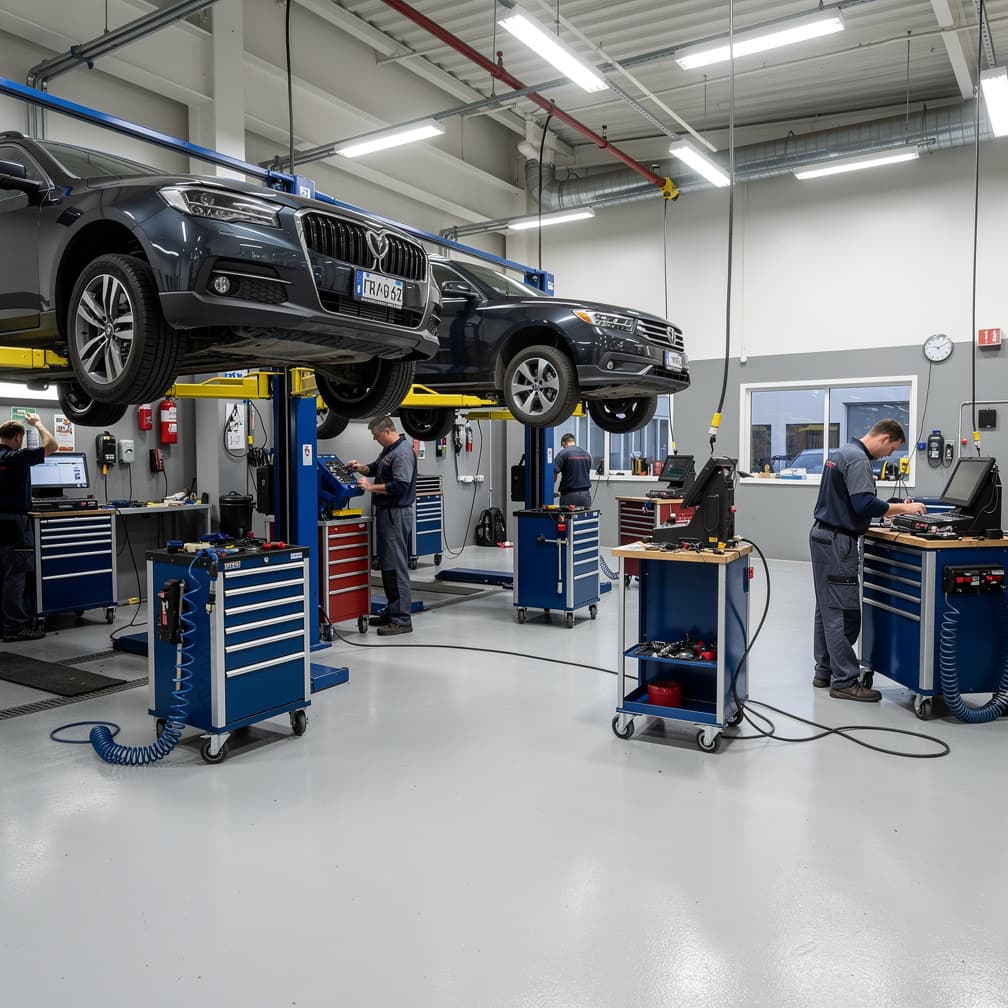
San Diego County has 92,799 business establishments, so landlords, fleet accounts, and referral partners expect clean proof of coverage before they hand over keys or sign a vendor packet. For garage keepers insurance in San Diego, the conversation moves past generic limits into how your operation handles customer vehicles in a dense service market. Buyers here need a quote that shows where vehicles are parked, who can move them, and how intake, storage, and pickup are controlled during a busy week, whether you run a neighborhood repair shop in Kearny Mesa, a body shop near Miramar, or a specialty garage serving coastal owners with higher-value cars. When customers have plenty of other shops to call, one claim involving a customer vehicle can quietly cost you both cash flow and referral relationships. Before you request terms, map your vehicle flow from drop off to release, note any off-hours storage, and be ready to show how keys, test drives, and lot access are managed.
Garage Keepers Insurance Risk Factors in San Diego
San Diego's difference is **vehicle value and customer expectations**, not a separate city rule. The city's median household income is $104,321, so many local households may bring newer, higher-trim, or specialty vehicles into your care and expect a more documented handoff if damage is alleged after service. That does not automatically change every policy, but it should change how you present your risk to an underwriter. If you work on European imports near La Jolla, performance cars around Rancho Bernardo, or late-model family vehicles in suburban corridors, ask your agent to review whether your limits, deductibles, and claims handling assumptions still fit the cars you actually keep overnight. It also helps to tighten intake photos, pre-existing damage notes, and key control procedures before renewal, because disputes on higher-value vehicles can become more expensive even when the incident itself seems minor.
California has a very high climate risk rating. Top hazards: Wildfire (Very High), Earthquake (Very High), Drought (High), Flooding (High). The state's expected annual loss from natural hazards is $9.8B, which influences garage keepers insurance premiums and may affect coverage availability in high-risk areas.
What Garage Keepers Insurance Covers
The practical review point is how your policy responds when a customer's vehicle is damaged while it is parked on your lot, stored inside your building, waiting for parts, lined up for service, or being moved by your staff as part of normal operations. In this state, that review often gets more specific because storage conditions vary sharply. A coastal operation may worry about corrosion and open lot exposure, while an inland yard may focus on heat, dust, and how closely vehicles are parked during busy weeks.
You should ask for a line by line explanation of the coverage basis offered, the deductible that applies, and any conditions tied to indoor versus outdoor storage. Your business may keep vehicles overnight, use sublet vendors, or have employees who road test and park units off site. Each of those steps should be disclosed during quoting rather than argued after a claim. Ask where responsibility shifts when a vehicle leaves your premises and when it returns, and make sure movement between buildings is part of the conversation.
Documentation discipline matters here too. A claim is easier to sort out when your intake photos, check in forms, key logs, and lot maps show exactly where the vehicle was kept and who last handled it. The state's insurance regulator expects policy language, claims handling, and producer representations to be clear. That means you should look for policy documents that spell out what is and is not included in plain terms, ask your producer to confirm any ambiguous clauses in writing, and hold off binding until the coverage description matches your actual daily workflow.
Coverage Included
Collision Coverage
Covers damage to customers' vehicles from collisions while in your care.

Comprehensive Coverage
Covers theft, vandalism, fire, and weather damage to customers' vehicles.

Specified Perils
Covers only specifically named perils at a lower premium.

Legal Liability
Covers damage you or your employees directly cause to a customer's vehicle.

Direct Primary
Pays regardless of fault, the broadest garage keepers coverage available.
What Makes San Diego Different
Market density shapes how local underwriters think about your shop. San Diego County's largest establishment shares are professional, scientific, and technical services at 17.3%, health care and social assistance at 12.1%, and retail trade at 10%, so a meaningful slice of your potential customers are professionals who need their cars back on schedule and in clean condition. For a garage operation, that translates into real pressure to turn vehicles around quickly and little patience for delays after a loss. Some accounts are not just individual drivers dropping off one car, but professionals and small businesses that may judge your shop partly on how clearly you document custody and return. If your book includes office workers, medical staff, or retail operators, make sure your quote application explains peak storage days, employee driving rules, and where customer vehicles sit after hours. Those details help an underwriter price the real exposure instead of assuming a simpler operation.
Our Recommendation for San Diego
Start with your lot map and your customer mix. In this market, you should be ready to show exactly where waiting vehicles, completed vehicles, and employee cars are kept, especially if space gets tight during parts delays or heavy intake days. If you serve higher-income neighborhoods or regularly handle imports, classics, or newer SUVs, request a limit review based on the maximum total value of customer vehicles on site at one time, not just your average day. If you pick up or deliver vehicles, confirm that your driving procedures are described accurately. Disclose any secondary storage area before binding so it is not excluded after a loss. A lower premium is not always the better choice if one customer-vehicle claim would disrupt payroll or parts ordering, so weigh deductible options against your cash reserves before you commit. Bring photos of the premises, your intake form, and your key-control process when you request a free quote.
Get Garage Keepers Insurance in San Diego
Enter your ZIP code to compare garage keepers insurance rates from carriers in San Diego, CA.
Business insurance starting at $25/mo
FAQ
Frequently Asked Questions
San Diego garage shops often deal with landlords, dealer partners, and fleet clients that want documentation before work starts. Having your proof of coverage and vehicle-handling procedures ready keeps negotiations moving instead of stalling out.
San Diego's median household income is $104,321, which tells you a fair share of customers can afford newer or higher-trim vehicles that sit in your care. Before you renew, pull together your limits, deductibles, intake photos, and pre-existing damage documentation so nothing falls through the cracks.
San Diego County's leading sectors include professional services at 17.3%, health care at 12.1%, and retail at 10%. Because those customers tend to depend on fast vehicle return, underwriters will want to understand your storage flow and turnaround pressure.
San Diego buyers usually get a better review when they bring a lot diagram, key-control steps, employee driving rules, and photos showing where customer vehicles sit after hours. A submission that reflects your actual custody exposure gives underwriters what they need to return accurate terms.
California policies are regulated by the California Department of Insurance. Before binding coverage, read the policy terms, ask about exclusions and deductibles, and confirm what the carrier expects you to report and when.
Repair shops should review it whenever customer vehicles stay in your custody for service, parts delays, or overnight storage. The right answer depends on how vehicles are parked, moved, and secured on your premises, not just on the type of shop you run.
Body shops should disclose every place customer vehicles are stored, including overflow and temporary lots. If a location is part of your normal workflow, listing it during quoting is safer than trying to explain it after a loss.
Quotes can be shaped by regional catastrophe exposure because underwriters look at where vehicles are stored, how many remain outside, and whether your site plan allows quick relocation. Clear storage details usually lead to a more accurate review.
Sources
- 1.U.S. Census Bureau, County Business Patterns, San Diego County(San Diego County has 92,799 business establishments.; San Diego County's leading establishment shares are professional, scientific, and technical services 17.3%, health care and social assistance 12.1%, and retail trade 10%.)
- 2.U.S. Census Bureau, ACS 5-Year Estimates, table B19013(San Diego's median household income is $104,321.)
- 3.California Department of Insurance(California policies are regulated by the California Department of Insurance.)
Updated July 16, 2026





