Updated July 5, 2026

Builders Risk Insurance in San Jose
Santa Clara County supports 48,879 business establishments, so owners, lenders, and landlords around San Jose often expect a tighter insurance submission before they release funds, approve tenant work, or hand over a site. For builders risk insurance in San Jose, that usually means your application needs to show more than a project address and completed value. It helps to spell out whether you are renovating an older house in Willow Glen, improving a retail space near Santana Row, or building out office or lab-adjacent interiors tied to a tenant deadline. In a dense, high-value market, small delays can turn into expensive carrying costs fast. The local housing profile raises the stakes further, so even modest residential work can involve a level of property value that deserves careful limits, soft cost review, and a clear plan for stored materials and site security. Before you request quotes, line up the construction contract, draw schedule, project timeline, and the party that should be named for its financial interest.
Builders Risk Insurance Risk Factors in San Jose
San Jose projects often need a sharper look at theft, vandalism, and partially completed property exposure because work happens in a dense built environment where materials may arrive in phases and sit on site between trades. That matters more on remodels and tenant improvements, where one loss can interrupt both construction and occupancy plans. A renovation that feels routine on paper can still involve a high property value and a larger financial gap if cabinets, fixtures, or installed systems are damaged before completion. Review whether **your limit follows the completed value** closely enough, how temporary storage is treated, and whether scaffolding, fencing, and water damage controls are documented in the submission. If your project depends on lender draws or a lease commencement date, ask for wording and endorsements to be reviewed before binding, not after a loss exposes a gap.
California has a very high climate risk rating. Top hazards: Wildfire (Very High), Earthquake (Very High), Drought (High), Flooding (High). The state's expected annual loss from natural hazards is $9.8B, which influences builders risk insurance premiums and may affect coverage availability in high-risk areas.
What Builders Risk Insurance Covers
Start with how a loss would interrupt the job, not with a generic list of covered property. A carrier will want to understand whether your project faces wildfire-adjacent exposure, earthquake concerns, flood-prone conditions, or wind-driven damage. Each hazard can affect what is offered, what is limited, and what documentation is needed. Your coverage review should match the site, the phase of construction, and the way materials and equipment move through the project.
For a California build, pay close attention to property that is vulnerable before it is fully enclosed. Framing, roofing materials, windows awaiting installation, mechanical components staged on site, and temporary structures can all create different claim scenarios depending on where the project sits and how the site is secured. If the job includes renovation work, ask how existing structures are treated and whether the policy approach changes once crews are working inside an occupied or partially occupied building.
You should also review delay-related exposures carefully. If a fire or severe storm damages your framing, the physical repair is only part of the problem. You still have to pay extended loan interest, re-coordinate subcontractors, and push back your delivery date. A covered property loss can create financing, scheduling, and subcontractor coordination problems even after physical repairs begin. If your lender or contract requires certain time-element protections, ask for those terms to be reviewed against the actual schedule and critical path items. Do not assume one form fits every project. Ask the quoting team to walk through exclusions, sublimits, soft cost options, testing or installation exposures, and any conditions tied to hazard-prone locations.
Coverage Included

Structure Coverage
Covers the building or structure under construction.

Materials on Site
Covers building materials stored at the construction site.

Materials in Transit
Covers materials being transported to the job site.
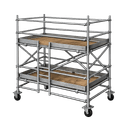
Temporary Structures
Covers scaffolding, fencing, and temporary buildings.

Soft Costs
Covers additional expenses from construction delays due to covered losses.

Equipment Coverage
Covers permanently installed fixtures and equipment.
Industries & Insurance Needs in San Jose
The county business mix changes what many local projects look like. In Santa Clara County, professional, scientific, and technical services account for 17.8% of establishments, health care and social assistance 12.7%, and accommodation and food services 10.3%, so a large share of work here involves office improvements, medical or care-related buildouts, and restaurant or hospitality renovations with tight opening schedules. That affects builders risk decisions because these jobs often combine interior finish materials, owner-furnished equipment, phased access, and contracts that tie insurance requirements to funding or turnover dates. If your project supports a tenant opening, a practice expansion, or a hospitality refresh, ask your agent to review who is responsible for materials before installation, whether delay-related exposures should be discussed, and how the policy treats property at the site versus in transit or temporary storage. Those details matter more here than generic form comparisons.
What Makes San Jose Different
High property values are the main thing that changes the builders risk decision here. San Jose's median household income is $141,565, so residential and mixed-use projects can carry a larger financial consequence even when the scope looks ordinary at first glance. A kitchen addition, major remodel, or infill improvement may involve expensive finishes, lender oversight, and a timeline that leaves little room for rework after a covered loss. That shifts the conversation away from buying the thinnest policy that satisfies a contract and toward checking whether the limit, valuation approach, and named insured structure match the money actually at risk during construction. If you are comparing quotes, focus on how each option handles completed value, temporary works, stored materials, and any party with a financial interest in the job. A cheaper-looking quote is not the better fit if it leaves the project underinsured halfway through the build.
Our Recommendation for San Jose
Start with the project paperwork, not the application form alone. In this market, underwriters usually need a clean statement of completed value, construction type, jobsite protections, project term, and who has an insurable interest before they can evaluate the risk with confidence. If you are renovating a high-value home, confirm that the builders risk limit reflects the work in progress and the value being added, not a rough placeholder. If the job is a tenant improvement, match the policy structure to the lease, lender requirements, and any owner-furnished materials so responsibility is clear before delivery. On commercial interiors, ask specifically about temporary storage, transit, water damage controls, and whether soft costs should be reviewed. On residential work, document vacancy, security, and how materials are protected between trades. Then request a free, no-obligation quote with the contract, budget, and timeline ready, because complete submissions usually produce more usable options than rushed ones.
Get Builders Risk Insurance in San Jose
Enter your ZIP code to compare builders risk insurance rates from carriers in San Jose, CA.
Business insurance starting at $25/mo
FAQ
Frequently Asked Questions
San Jose projects often sit in a dense, high-value market, so underwriters usually want a clearer submission on scope, completed value, security, and stored materials before they quote. That extra detail helps them evaluate the financial impact of a mid-project loss.
San Jose remodels often deserve closer limit review because the city's median home value is $1,187,800. That does not change every policy the same way, but it can raise the stakes if installed materials or partially completed work are damaged.
Santa Clara County has 48,879 business establishments, so commercial projects often involve landlords, lenders, and tenants that expect clear evidence of coverage before work starts. Bring the lease, contract, and draw schedule into the quote process early.
San Jose tenant improvement projects should review who buys the policy, who is named for its financial interest, and how materials are treated before installation. That matters most when lease deadlines, owner-furnished items, or phased access can complicate responsibility.
Santa Clara County has a large share of professional services, health care, and food service establishments, so many projects are interior buildouts with opening-date pressure. Review temporary storage, transit, and delay-sensitive exposures before choosing a policy form.
The California Department of Insurance oversees this coverage. That oversight matters because it shapes which policy forms and endorsements are available to you, so use policy documents and quote questions that match state filing and consumer oversight expectations.
Projects in wildfire-prone areas often face closer underwriting review. Be ready to explain site protections, material storage, and how the job is secured after hours.
Renovation projects often need a more detailed review because occupied space, existing structures, and phased work can change how coverage is structured. Check the policy approach against the actual renovation plan.
Sources
- 1.U.S. Census Bureau, County Business Patterns, Santa Clara County(Santa Clara County supports 48,879 business establishments, so owners, lenders, and landlords around San Jose often expect a tighter insurance submission before they release funds, approve tenant work, or hand over a site.; In Santa Clara County, professional, scientific, and technical services account for 17.8% of establishments, health care and social assistance 12.7%, and accommodation and food services 10.3%, so a large share of work here involves office improvements, medical or care-related buildouts, and restaurant or hospitality renovations with tight opening schedules.)
- 2.U.S. Census Bureau, ACS 5-Year Estimates, table B25077(San Jose remodels often deserve closer limit review because the city's median home value is $1,187,800.)
- 3.U.S. Census Bureau, ACS 5-Year Estimates, table B19013(San Jose's median household income is $141,565, so residential and mixed-use projects can carry a larger financial consequence even when the scope looks ordinary at first glance.)
Updated July 5, 2026