Updated July 5, 2026

Builders Risk Insurance in Aurora
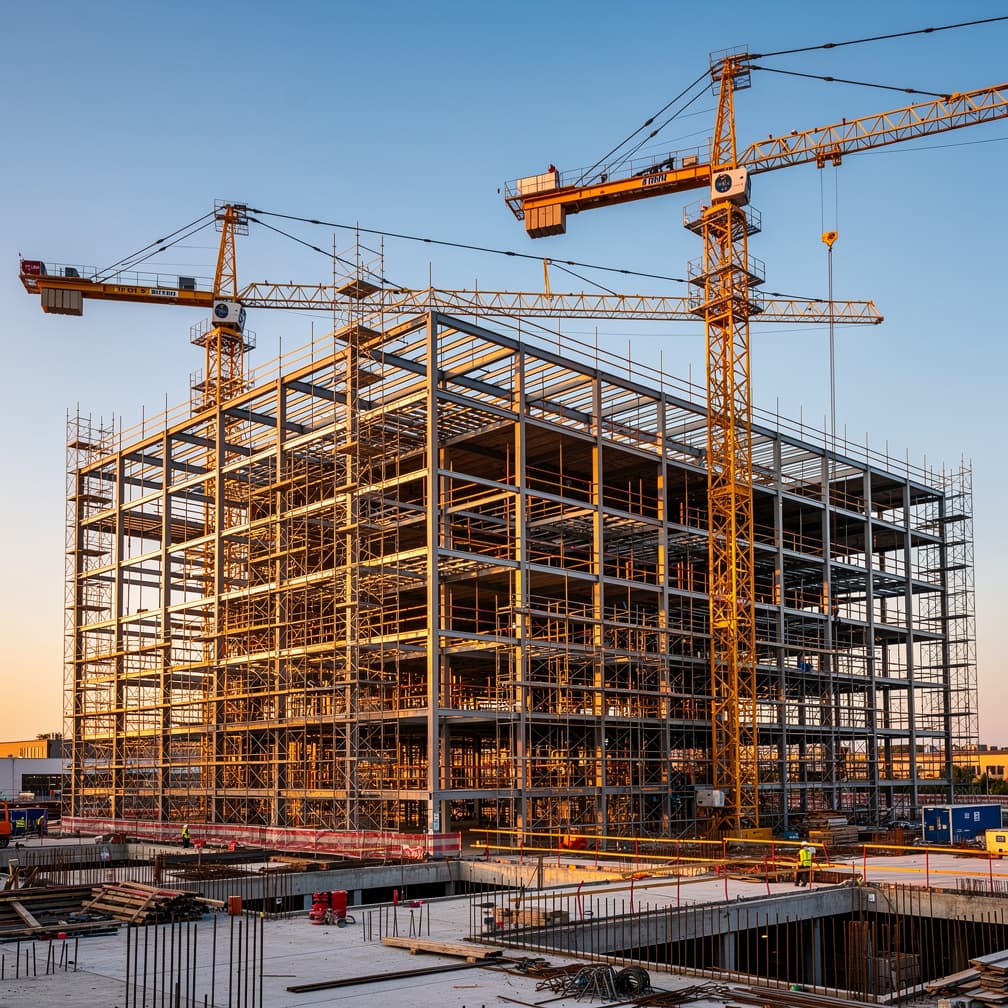
A wind or hail event can damage roof decking, wrapped materials, windows, and partially dried-in structures before a project is ready for permanent coverage. That is why builders risk insurance in Aurora works best when the quote starts with the real jobsite timeline, not just the finished value. Here, you are often balancing infill work on established residential streets with new construction that leaves materials, temporary fencing, and equipment exposed for weeks at a time. Aurora’s median home value is $444,500, so even a single custom home or major renovation can put a meaningful amount of property value at risk while it is still under construction. If your build includes owner-supplied finishes, long-lead windows, or staged deliveries, ask for those details to be scheduled clearly so the policy review matches what is actually sitting on site. A tighter submission usually includes the construction type, security plan, soft cost needs, and the point when the structure will be enclosed, because those details can change how an underwriter looks at theft, weather damage, and delay-related exposure.
Builders Risk Insurance Risk Factors in Aurora
The local issue is **exposed construction value during weather interruptions**. Colorado hazard patterns are already part of the state conversation, but at the city level the practical question is how long your framing, roofing materials, and interior finishes remain vulnerable before the building is dried in. If your schedule runs through seasons with higher wind, hail, or freeze concerns, a short delay can leave sheathing, insulation, and installed mechanicals open to damage that would not matter on a faster build. That is worth addressing before binding. Ask your agent to review temporary protection measures, storage location for materials, fencing, lighting, and whether the policy terms line up with phased completion. If you are renovating rather than building from the ground up, separate the existing structure exposure from new work values so the policy discussion reflects what is already in place and what is being added.
Colorado has a high climate risk rating. Top hazards: Hailstorm (Very High), Wildfire (Very High), Tornado (High), Winter Storm (High). The state's expected annual loss from natural hazards is $2.1B, which influences builders risk insurance premiums and may affect coverage availability in high-risk areas.
What Builders Risk Insurance Covers
In Colorado, the practical review starts with how weather and site conditions can interrupt a build before the project is enclosed. If framing, roofing materials, windows, mechanical equipment, or finish materials will spend time exposed or stored on site, ask the agent to walk through how the policy treats property in transit, temporary storage, and materials waiting to be installed. Those details matter on mountain, foothill, and Front Range jobs where access, wind exposure, and sudden weather shifts can change the loss picture quickly.
For renovation work, focus on the line between new work and the existing structure. That distinction can affect whether damage to the part you are adding is handled differently from damage involving the original building. If the project stays partially occupied during construction, review how your policy coordinates with the property coverage already in place. You should also check whether the contract pushes any responsibility back to the owner, tenant, or general contractor.
Colorado projects also deserve a close read on debris removal, pollutant cleanup triggers after a covered event, temporary works, and scaffolding or fencing if those items are part of the job setup. If your schedule depends on custom windows, long-lead mechanical units, or specialty finishes, ask whether delay-related costs or soft costs should be reviewed rather than assuming they are included. The useful buying move is to match the policy schedule to the actual flow of materials and phases of work. Then confirm who is named and what property categories are specifically addressed before the first delivery arrives.
Coverage Included

Structure Coverage
Covers the building or structure under construction.
Materials on Site
Covers building materials stored at the construction site.

Materials in Transit
Covers materials being transported to the job site.
Temporary Structures
Covers scaffolding, fencing, and temporary buildings.

Soft Costs
Covers additional expenses from construction delays due to covered losses.

Equipment Coverage
Covers permanently installed fixtures and equipment.
What Makes Aurora Different
Property value concentration is the main difference here. In Aurora, a residential build or substantial remodel can reach a level where underinsuring the completed value, materials on site, or delay-related exposure becomes an expensive mistake. That changes the buying calculus. Instead of treating builders risk as a box to check for a lender or contract, you should pressure-test the valuation method, the draw schedule, and any owner-furnished materials before the policy is issued. If the project includes upgraded kitchens, custom glazing, specialty fixtures, or detached structures, make sure those costs are reflected in the reported project value rather than assumed later. The goal is not to buy the broadest form by default. It is to line up covered property, limits, and timing with the actual build budget so a mid-project loss does not force you to fund the gap out of pocket.
Our Recommendation for Aurora
Start with the construction schedule and the budget breakdown. For a local quote, give the carrier or agent the completed value, current stage of construction, target completion date, and whether materials will be stored on site or delivered just in time. If the project is a renovation, identify what portion is existing structure and what portion is new work, because that distinction can affect how the policy is reviewed. If you are building for resale, ask whether soft costs or delay in completion should be considered rather than assuming the base form is enough. If a lender, owner, and general contractor all have a financial interest, confirm who needs to be named and how that matches the contract. Before you bind, review exclusions tied to vacancy, theft of unsecured materials, and weather-related damage during pauses in work, then compare those terms against how the site will actually be managed.
Get Builders Risk Insurance in Aurora
Enter your ZIP code to compare builders risk insurance rates from carriers in Aurora, CO.
Business insurance starting at $25/mo
FAQ
Frequently Asked Questions
Aurora projects should be valued from the completed construction cost and the materials at risk during the build. It is worth checking that upgrades, owner-furnished items, and detached features are not left out.
Aurora renovation jobs often need a clearer split between the existing structure and the new work. That helps the policy review match what is already standing, what is being installed, and where a weather or theft loss would actually hit.
Aurora submissions usually go more smoothly when you provide the construction type, stage of completion, security measures, delivery plan for materials, and target dry-in date. Those details help the underwriter judge exposed property and delay-related risk more accurately.
Arapahoe County has 20,149 business establishments, and construction accounts for 9.7% of establishment share. So local projects often involve multiple subcontractors and delivery points, making it smart to confirm who has insurable interest at each phase.
Buyers can look to the Colorado Division of Insurance for licensing checks, consumer resources, and complaint information while comparing policy options. Use that source before finalizing coverage if you want to confirm the status of an agency or review consumer guidance.
Renovation projects often merit a separate review when the existing home stays occupied or the work is substantial. The key step is to compare the renovation scope against the current property policy and the construction contract before work begins.
Construction financing often comes with insurance conditions tied to draws, closing, or evidence of coverage. Check the loan documents early, then match the lender wording, named insured details, and project value to the quote request.
Mountain projects should be presented with site access details, storage plans, security controls, and a realistic schedule that accounts for weather interruptions. That gives the underwriter a clearer picture than a budget and address alone.
Sources
- 1.U.S. Census Bureau, ACS 5-Year Estimates, table B25077(Aurora’s median home value is $444,500.)
- 2.U.S. Census Bureau, County Business Patterns, Arapahoe County(Arapahoe County has 20,149 business establishments, and construction accounts for 9.7% of establishment share.)
Updated July 5, 2026