







































Updated July 10, 2026

Martial Arts Studio Insurance in Colorado
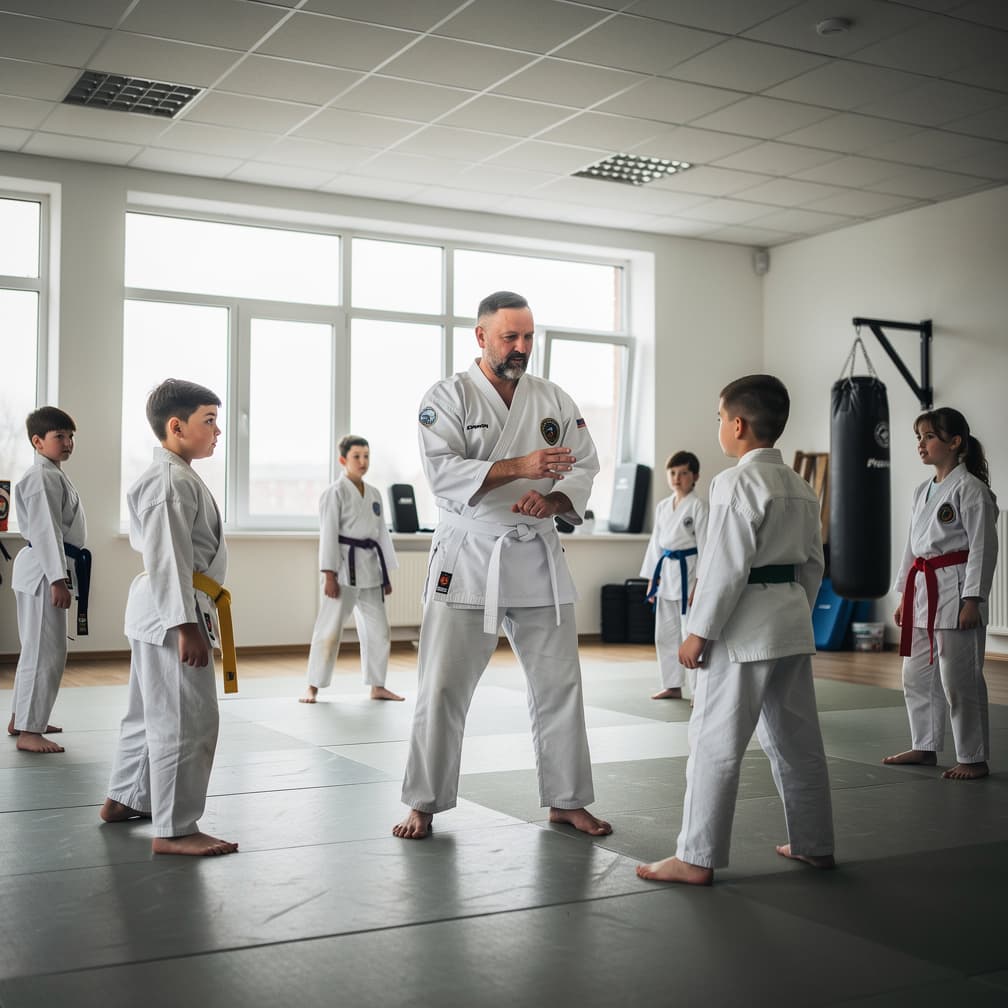
If you are comparing a martial arts studio insurance quote in Colorado, the local risk picture is shaped by more than class size and belt level. A Denver dojo, a suburban MMA gym, or a regional martial arts school may all face student injury claims, premises liability concerns, and property damage from hail, wildfire, or winter storms. Colorado also stands out for lease requirements: many commercial landlords want proof of general liability coverage before a studio can open or renew. If you have employees, workers' compensation is required, and that can affect how you structure your coverage package. The right quote should reflect how you run classes, whether you allow sparring or grappling, how many instructors are on the floor, and whether you own or lease the building. For studio owners in Colorado Springs, Aurora, Fort Collins, Boulder, and Grand Junction, the goal is to match the policy to the actual training environment so the quote is useful from day one.
Risk Factors for Martial Arts Studio Businesses in Colorado
- Colorado hailstorms can damage mats, mirrors, entry doors, and other property used in daily training.
- Wildfire conditions can interrupt operations and create building damage or business interruption concerns for a Colorado dojo.
- Winter storms and tornado events can lead to slip and fall exposure for students, visitors, and instructors entering or leaving the studio.
- Student injury liability coverage matters in Colorado when sparring, grappling, or contact drills lead to bodily injury or customer injury claims.
- Premises liability insurance for martial arts studios in Colorado is important when a visitor is injured in a lobby, changing area, or training floor.
- Instructor liability insurance in Colorado can help address third-party claims tied to alleged negligence, professional errors, or omissions during class instruction.
How Colorado compares with the national baseline
Property crime per 100,000 residents
3,190 vs 2,200 baseline
Property crime in Colorado runs above the national average, at 3,190 vs 2,200 incidents per 100,000 residents.
Blue bar: Colorado. Gray line: national baseline.
How Much Does Martial Arts Studio Insurance Cost in Colorado?
Martial Arts Studio Insurance is a bundle of separate policies, priced separately. The ranges below are typical figures for Colorado for each line, except workers compensation, which is rated per $100 of payroll; a quote prices each one against your own operations.
| Coverage | Typical range | What moves your price |
|---|---|---|
| General Liability Insurance | $150 - $480 per month | Industry and risk classification, annual revenue, number of employees |
| Professional Liability Insurance | $75 - $250 per month | The services you actually perform, annual revenue or billed fees, limit and retention selected |
| Commercial Property Insurance | $65 - $220 per month | Building value and construction type, roof age and condition, fire protection class |
| Workers Compensation Insurance | $0.75 - $2.74 per $100 of payroll | Employee classification codes, total annual payroll, experience modification rate |
Prices shown are general estimates, not guaranteed rates or quotes. Your actual premium will depend on the insurer, coverage selected, business details, location, claims history, and other underwriting factors. Learn about our pricing methodology.
What Colorado Requires for Martial Arts Studio Insurance
Non-compliance can result in fines, loss of contracts, and personal liability:
- Colorado businesses with 1+ employees are required to carry workers' compensation insurance, with exemptions for sole proprietors, partners in partnerships, and members of LLCs.
- Most commercial leases in Colorado require proof of general liability coverage, so a dojo may need evidence of coverage before signing or renewing space.
- Commercial auto minimum liability in Colorado is $25,000/$50,000/$15,000 if the studio uses a vehicle for business purposes and needs auto coverage.
- The Colorado Division of Insurance regulates the market, so quote comparisons should be checked against carrier filings and policy forms available in the state.
- A martial arts studio should confirm whether its landlord requires additional insured status, a waiver of subrogation, or other lease-related endorsements before opening.
- Workers' compensation planning should account for whether instructors or staff are employees under Colorado rules, since the requirement changes by business structure.
| Requirement | What Colorado law says |
|---|---|
| Auto liability minimums | $25,000/$50,000/$15,000 (bodily injury per person / per accident / property damage). These floors apply to personal and business vehicles alike; lenders and contracts often require more. |
| Workers compensation | Generally required once you have your first employee. Some roles are exempt, so confirm current thresholds before you hire. |
| Where to verify | Colorado Division of Insurance publishes current requirements, consumer guides, and license lookups. |
Get Your Martial Arts Studio Insurance Quote in Colorado
Compare rates from multiple carriers. Free quotes, no obligation.
Common Claims for Martial Arts Studio Businesses in Colorado
A student is injured during sparring in a Denver training room and the studio faces a bodily injury claim tied to supervision and class setup.
A winter storm leaves the entryway slick at a Colorado Springs dojo, leading to a slip and fall claim from a parent or visitor.
Hail damages a Fort Collins studio roof and water affects pads, flooring, and equipment, creating a property damage and business interruption issue.
Preparing for Your Martial Arts Studio Insurance Quote in Colorado
Your studio address, lease status, and whether you own the building or rent space in Colorado.
Class details such as beginner training, sparring, grappling, MMA sessions, youth classes, and instructor count.
Payroll and staffing information for any employees, since workers' compensation may be required in Colorado.
A list of property to insure, including mats, mirrors, bags, pads, reception furnishings, and any owned equipment.
Coverage Considerations in Colorado
- General liability insurance for bodily injury, property damage, slip and fall, and other third-party claims tied to the studio space.
- Professional liability insurance for alleged negligence, professional errors, omissions, or client claims arising from instruction and supervision.
- Commercial property insurance for building damage, fire risk, theft, vandalism, storm damage, and equipment breakdown.
- Workers' compensation insurance for medical costs, lost wages, and rehabilitation when Colorado staffing rules make coverage required.
What Happens Without Proper Coverage?
Martial arts studios face claims that can develop from both the physical space and the instruction delivered inside it. A student can be hurt during partner drills, live grappling, striking rounds, or a takedown sequence. A parent or visitor can be injured in the lobby or near the mat edge. Equipment can be stolen after hours, damaged in a storm, or ruined by a fire that shuts down classes for an extended period. Insurance matters because these losses do not stay small just because your business operates from a single training floor.
Instruction creates a separate layer of risk that many owners underestimate. After an injury, the dispute may not center on the condition of the premises at all. It may focus on whether the student was supervised correctly, matched appropriately, or allowed to participate beyond experience level. That is why professional liability insurance belongs in the conversation alongside general liability insurance. If your studio teaches children, beginners, or members returning after time away, progression and supervision questions can become central to a claim.
Property coverage matters because a martial arts studio often depends on specialized buildout and equipment to keep classes running. Mats, mirrors, bags, pads, office equipment, and retail stock all support daily operations. If the space is damaged, you may still owe rent, payroll, or other fixed expenses while classes are disrupted. Review what property you own, what improvements you paid for, and what the lease makes you responsible to repair or replace.
Workers compensation insurance should also be part of the review if you have employees. Coaching is physical work. Instructors demonstrate techniques, hold pads, move gear, and intervene during live rounds. Front desk and cleaning staff have different duties, but they still create employment related exposure that should be classified correctly.
You may also need insurance to satisfy practical business gates before growth. A landlord can ask for proof of coverage before signing or renewing a lease. Event hosts may want evidence of liability coverage before allowing seminars or off site training. If you bring in guest instructors or expand into higher contact programs, review the policies before the schedule changes, not after.
Recommended Coverage for Martial Arts Studio Businesses
Based on the risks and requirements above, martial arts studio businesses need these coverage types in Colorado:

General Liability
Essential coverage for every business, protect against third-party bodily injury, property damage, and advertising claims.

Professional Liability
Protect your business from claims of negligence, errors, and omissions in your professional services.

Commercial Property
Safeguard your business property, equipment, and inventory against damage and loss.

Workers Compensation
Help cover your employees' medical expenses and lost wages for work-related injuries and illnesses.
Martial Arts Studio Insurance by City in Colorado
Insurance needs and pricing for martial arts studio businesses can vary across Colorado. Find coverage information for your city:
Insurance Tips for Martial Arts Studio Owners
Separate your class types during the quote process, because youth instruction, beginner programs, private lessons, and live sparring can create different underwriting questions and different coverage concerns.
Review how your policy treats instruction by nonemployee coaches, since guest instructors, contractors, and rotating specialists can create confusion if their role is not clearly addressed before a claim.
Build your commercial property review from an itemized equipment and buildout list, including mats, mirrors, bags, pads, signage, office systems, and any tenant improvements you paid to install.
Walk through open mat sessions in plain language during the quote process, because unsupervised or lightly supervised training periods can be viewed differently than structured classes led by a coach.
Match workers compensation classifications to actual job duties, especially when instructors also handle cleaning, front desk work, retail sales, or equipment setup between classes.
Compare liability limits against lease requirements and event obligations before you renew, so you are not scrambling for revised proof of coverage after a landlord or host asks for it.
Keep your waiver process, incident documentation, and staff training procedures organized before shopping, because clear operating records help explain how your studio manages supervision and safety.
If you add higher contact programs or competition focused training, revisit the policy midterm rather than waiting for renewal, since the exposure can change faster than your paperwork does.
FAQ
Frequently Asked Questions About Martial Arts Studio Insurance in Colorado
A Colorado martial arts studio usually starts with general liability insurance for bodily injury, customer injury, slip and fall, and other third-party claims tied to the premises. Many owners also add professional liability insurance for allegations related to instruction, supervision, or omissions. The exact scope varies by carrier and policy form.
The average premium in the state is listed as $65 to $233 per month, but actual martial arts studio insurance cost in Colorado varies by class types, sparring exposure, payroll, property values, lease terms, and whether the studio needs workers' compensation or commercial property coverage.
Colorado businesses with 1+ employees must carry workers' compensation insurance unless they fall into a listed exemption. Many commercial leases also require proof of general liability coverage. A landlord may also ask for additional insured wording or other endorsements, depending on the lease.
A single policy may not address every risk the same way. General liability, professional liability, and workers' compensation each serve different purposes. Coverage depends on the policy terms, the studio's activities, and whether the claim involves a student, visitor, employee, or property issue.
Have your address, lease or ownership details, class schedule, student volume, sparring or MMA training information, payroll, and a list of owned equipment ready. Those details help an insurer evaluate student injury liability coverage in Colorado, premises liability insurance for martial arts studios, and the right commercial property limits.
Four policies do the core work: general liability for premises claims, professional liability for coaching and supervision allegations, commercial property for mats, buildout, and equipment, and workers compensation once staff are employed. Contact level and class mix decide the emphasis.
Injuries during sparring can be addressed, but only if the policy was written with live contact disclosed. Grappling, striking, and open mat rounds must be described plainly at quoting; a policy priced for forms and drills will be tested hard by a full contact claim.
Yes, treat it as essential. After an injury, the dispute frequently shifts from the mat to the coaching: whether the student was matched appropriately, progressed too fast, or supervised closely enough. Those are instruction allegations, and premises coverage does not answer them.
Updated March 31, 2026