







































Updated July 16, 2026

Builders Risk Insurance in Denver
Denver County has 27,347 business establishments, which means competition for contractor slots is tight and your paperwork needs to be clean to stay on lenders' good side. That density means owners, lenders, and upstream contractors expect clean documentation and defined responsibility for materials before funds are released or work starts. Your project might be a kitchen rebuild in Wash Park, a duplex conversion in Capitol Hill, or a custom home where stored materials sit on site between trades. In each case, the practical question is not just whether coverage exists, but whose insurable interest is scheduled, when materials become your responsibility, and how soft costs or temporary storage are handled. If your job touches lender draws, owner-supplied finishes, or phased turnover, ask for those details to be reviewed before binding so the quote matches the way the work is actually being built.
Builders Risk Insurance Risk Factors in Denver
Denver's top risk factors include Tornado damage, Hail damage, Severe storm damage, and Wind damage.
Colorado has a high climate risk rating. Top hazards: Hailstorm (Very High), Wildfire (Very High), Tornado (High), Winter Storm (High). The state's expected annual loss from natural hazards is $2.1B, which influences builders risk insurance premiums and may affect coverage availability in high-risk areas.
What Builders Risk Insurance Covers
In Colorado, the practical review starts with how weather and site conditions can interrupt a build before the project is enclosed. If framing, roofing materials, windows, mechanical equipment, or finish materials will spend time exposed or stored on site, ask the agent to walk through how the policy treats property in transit, temporary storage, and materials waiting to be installed. Those details matter on mountain, foothill, and Front Range jobs where access, wind exposure, and sudden weather shifts can change the loss picture quickly.
For renovation work, focus on the line between new work and the existing structure. That distinction can affect whether damage to the part you are adding is handled differently from damage involving the original building. If the project stays partially occupied during construction, review how your policy coordinates with the property coverage already in place. You should also check whether the contract pushes any responsibility back to the owner, tenant, or general contractor.
Colorado projects also deserve a close read on debris removal, pollutant cleanup triggers after a covered event, temporary works, and scaffolding or fencing if those items are part of the job setup. If your schedule depends on custom windows, long-lead mechanical units, or specialty finishes, ask whether delay-related costs or soft costs should be reviewed rather than assuming they are included. The useful buying move is to match the policy schedule to the actual flow of materials and phases of work. Then confirm who is named and what property categories are specifically addressed before the first delivery arrives.
Coverage Included

Structure Coverage
Covers the building or structure under construction.

Materials on Site
Covers building materials stored at the construction site.

Materials in Transit
Covers materials being transported to the job site.
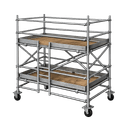
Temporary Structures
Covers scaffolding, fencing, and temporary buildings.

Soft Costs
Covers additional expenses from construction delays due to covered losses.

Equipment Coverage
Covers permanently installed fixtures and equipment.
What Affects Builders Risk Rates in Denver
Denver's median home value is $586,700, so even a partial residential build or major remodel can put a large amount of value into framing, finishes, and installed materials before the project is complete. That changes the insurance conversation because underinsuring a local build can leave you short if a covered loss hits after cabinets, windows, mechanicals, or owner-selected upgrades are already on site. It also affects how carefully you should describe what is included in the completed value, especially on custom work and substantial renovations where the original structure and new work overlap. If you are comparing quotes, ask each agent to walk through the completed value basis, what happens to materials in temporary storage, and whether change orders should be reported during the build. A cheaper-looking quote can become the wrong fit if the valuation method does not track the real dollars tied up in the project.
What Makes Denver Different
Professional, scientific, and technical services make up 20.2% of Denver County establishments, which translates to a steady pipeline of office and clinic build-outs where contract handoffs are as critical as the framing. That concentration drives steady demand for office build-outs and clinic updates where timing and contract handoffs matter as much as the structure itself. Accommodation and food services account for 9.1% of establishments, so you can expect restaurant renovations with hard opening dates to be a recurring scenario. The real question on a local quote is whether the policy actually fits how your site, contract, and draw schedule function day to day.
Our Recommendation for Denver
Start by mapping the job the way an underwriter will see it. Work through the project type and completed value, the renovation versus ground-up distinction, occupancy status, and who purchases key materials, since each factor changes how the policy is structured. If the owner is supplying appliances, fixtures, or specialty finishes, ask when those items become part of the insured value and whether off-site or temporary storage needs to be scheduled. For residential work, Denver's median household income is $91,681, meaning your clients likely expect premium finishes that can shift your valuation mid-project. If a lender, landlord, or prime contract requires evidence of coverage, request specimen wording early enough to confirm named insureds, mortgagee or loss payee interests, and any soft cost needs before closing or mobilization. The quickest route to an accurate quote is getting your construction contract, draw schedule, and scope summary in front of an underwriter early, then fixing valuation and responsibility gaps before the first delivery arrives.
Get Builders Risk Insurance in Denver
Enter your ZIP code to compare builders risk insurance rates from carriers in Denver, CO.
Business insurance starting at $25/mo
FAQ
Frequently Asked Questions
Urban remodels in Denver tend to live or die on how clearly you document occupancy, existing structure, staged materials, and ownership of each phase of work. If the site stays partially occupied or work is phased by floor or unit, ask for those conditions to be reviewed before binding.
With 27,347 business establishments in the county, lenders, landlords, and upstream contractors often expect organized certificates, named interests, and contract-aligned coverage terms before money moves or access is granted. That volume of competing projects means reviewers rarely accept loose documentation, so bring your contract package to the quote review.
Denver custom home projects should use a completed value that reflects the real cost tied up in labor, installed materials, and upgrades. With a median home value of $586,700, a high-end build's replacement cost can climb quickly, which means underreporting early on can leave you short if a covered loss hits late in the project.
Tenant improvement jobs layer in landlords, tenants, lenders, and multiple trades, all pushing toward a fixed opening date. Review who carries the insurable interest, whether existing improvements are part of the exposure, and how coverage handles partial occupancy or delayed completion.
Denver renovation jobs with owner-selected finishes should disclose allowances, change orders, and any owner-purchased materials early. Higher-income buyers often upgrade their finish packages after the initial quote, so track those valuation changes during the project and report them to keep the policy accurate.
Buyers can look to the Colorado Division of Insurance for licensing checks, consumer resources, and complaint information while comparing policy options. Use that source before finalizing coverage if you want to confirm the status of an agency or review consumer guidance.
Renovation projects often merit a separate review when the existing home stays occupied or the work is substantial. The key step is to compare the renovation scope against the current property policy and the construction contract before work begins.
Construction financing often comes with insurance conditions tied to draws, closing, or evidence of coverage. Check the loan documents early, then match the lender wording, named insured details, and project value to the quote request.
Sources
- 1.U.S. Census Bureau, County Business Patterns, Denver County(Denver County has 27,347 business establishments.; Denver County's business mix includes professional, scientific, and technical services at 20.2% of establishments, health care and social assistance at 9.8%, and accommodation and food services at 9.1%.)
- 2.U.S. Census Bureau, ACS 5-Year Estimates, table B25077(Denver's median home value is $586,700.)
- 3.U.S. Census Bureau, ACS 5-Year Estimates, table B19013(Denver's median household income is $91,681.)
Updated July 16, 2026





