







































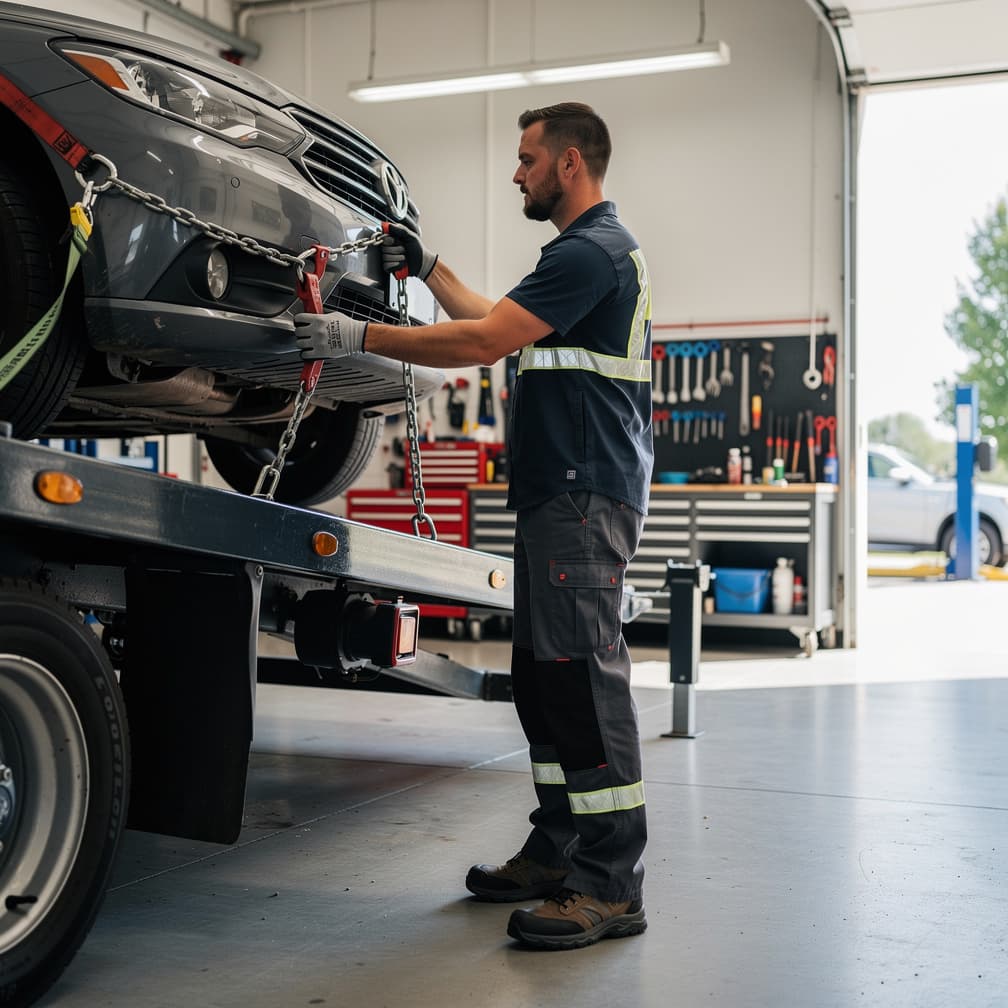

Storage is where towing claims go quiet and then get expensive. A vehicle sits in your yard for three weeks, the owner never answers the phone, and when someone finally arrives the fresh dents and the missing stereo are somehow your problem. Towing company insurance in Denver treats that yard as its own risk, separate from the truck and separate from the road. Garage Keepers is the line that usually gets argued over in those files, because it turns on legal liability rather than on who is annoyed. Photographs at intake settle more of these disputes than any endorsement does. Keep them timestamped, on every car that comes off the hook. Then compare quotes with a clear picture of how much metal your Denver yard holds on an average night.
What Makes Denver Different
Claims history outranks everything else you can control after about three years in business. Carriers look back several years, and a single large loss can follow you the whole time. Small claims matter more than owners expect, because frequency reads as a management problem. Paying a minor deck scratch yourself, quietly, is often cheaper across three renewals than filing. That is a judgment call, and it depends on your deductible and your loss run already. Get the loss run before you shop, so a Denver quote reflects reality rather than optimism. Quotes built on guesses get corrected later, usually upward, usually after you have committed. Bring the documents once and let carriers in Denver County compete on facts instead of assumptions.
Local Risk Factors in Denver
Before you sign anything, ask how hail is deductible on both halves of your policy. Some forms apply a percentage deductible for hail rather than a flat amount, which changes the math on a lot full of dented cars. Others treat one storm as a single occurrence no matter how many vehicles were hit, and some do not. That distinction decides whether one bad afternoon in Denver costs you one deductible or twenty of them. Get the answer in writing, since a proposal rarely spells it out, and compare quotes in Colorado with that term lined up beside the price.
What Coverage Does a Towing Company in Denver Need?
Commercial Auto
Lenders holding a note on a wrecker generally require this line before the truck turns a wheel, and it is the largest piece of most towing bills. It can respond to injury and property damage your driver causes on the road, and to the truck itself where you add physical damage. The customer's vehicle riding behind it is not included here.
Example: A rollback merges onto a busy highway, clips a sedan, and both end up against the barrier; commercial auto may answer for the other driver's injuries and repairs, subject to your limits.
Garage Keepers
Every car left in your yard overnight belongs to someone who expects it back in the same condition. This line is built for damage to those vehicles while they sit in your custody, from theft and vandalism to fire and storm. Some forms respond only where you are legally liable, and others respond regardless of fault. It does nothing for your own trucks.
Example: A storm drops a limb across two customer cars parked in a Denver storage lot; garage keepers can help cover the damage, depending on whether the form turns on fault.
On-Hook Towing
Damage you cause to a vehicle while it rides on your hook is not part of your own auto physical damage, and it is not part of a yard policy either. This line sits in that gap: loading, transport, unloading. Limits are usually set per vehicle, so the number should match the most expensive car you would accept. Workmanship errors are commonly excluded.
Example: A pickup's front bumper tears loose when a chain shifts during transport and the owner sends over a repair estimate; on-hook towing could respond to damage that happened in transit.
General Liability
Where the auto lines follow your trucks and the yard lines follow your customers' cars, this one follows people. Landlords and commercial accounts commonly require it before you get a key or an account. It may help cover a visitor injured at the release window, or property you damage away from a vehicle. Injuries to your own crew belong somewhere else.
Example: Someone slips on spilled fluid while collecting a car at your office and breaks a wrist; general liability is typically where that medical bill and any lawsuit get handled.
Workers Compensation
A driver hurt on a shoulder at night is the claim this line exists for, and health plans generally exclude injuries that happen at work. It is rated per hundred dollars of payroll by classification, so how you report an owner who also drives matters at audit. Requirements and part-time thresholds vary by state.
Example: A winch cable snaps during a recovery and catches an operator's hand in Denver; workers compensation is generally the line that picks up the treatment and the lost wages.
How Much Does Towing Company Insurance Cost in Denver?
Towing Company Insurance is a bundle of separate policies, priced separately. The ranges below are typical figures for Denver for each line, except workers compensation, which is rated per $100 of payroll; a quote prices each one against your own operations.
| Coverage | Typical range | What moves your price |
|---|---|---|
| Commercial Auto Insurance | $1,225 - $4,200 per month | Fleet size and vehicle types, driver records and experience, coverage limits and deductibles |
| Garage Keepers Insurance | Varies | Quoted individually based on your operations and limits |
| On-Hook Towing Insurance | Varies | Quoted individually based on your operations and limits |
| General Liability Insurance | $150 - $525 per month | Industry and risk classification, annual revenue, number of employees |
| Workers Compensation Insurance | $0.75 - $2.74 per $100 of payroll | Employee classification codes, total annual payroll, experience modification rate |
Prices shown are general estimates, not guaranteed rates or quotes. Your actual premium will depend on the insurer, coverage selected, business details, location, claims history, and other underwriting factors. Learn about our pricing methodology.
What Are the Insurance Requirements for a Towing Company in Denver?
Workers' comp is generally required once you have your first employee. Colorado generally requires employers to carry workers' compensation at that point. Common exemptions include sole proprietors, partners in partnerships, and members of LLCs. Confirm current thresholds with your state's workers' compensation agency before you hire.
State auto liability minimums apply to business vehicles. Colorado's minimum auto liability limits are $25,000/$50,000/$15,000 (bodily injury per person / per accident / property damage). Contracts and lenders often require more than the state floor.
Where to verify licensing and coverage rules. The Colorado Division of Insurance publishes consumer guidance and current insurance requirements for Colorado businesses. When a contract or lease demands specific wording, the Colorado Division of Insurance's guidance is the authoritative place to check.
Get Your Towing Company Quote in Denver
Compare rates from multiple carriers. Free quotes, no obligation.
Operating in Denver
- A property manager in Denver can pull your certificate before approving an invoice, so a policy that lapses on the first of the month can freeze payment for work you already finished.
- Motor club contracts often set response times in minutes, and the driver who beats the clock is the driver who eventually rear-ends someone at a light.
- Cars pile up in a storage yard faster than owners retrieve them, and the value parked behind your Denver fence on a busy weekend is rarely the number written on your application.
- Every vehicle you accept becomes somebody else's property in your hands the moment it touches the deck, which is why intake photos are worth more than any argument you can make later.
How to Buy: Advice for Denver Owners
Buy for the night you dread, then let the routine calls ride underneath it. Most operators price the policy around the everyday job, the lockout and the flat tire, and then meet the exception on a bad shoulder in the rain. A serious recovery gone wrong can involve several parties, a totaled customer vehicle, and an injured driver on one occurrence. That is where Commercial Auto limits get tested, and where Workers Compensation quietly becomes the most important line you own. Ask what each quote does at your worst realistic loss, not your average one. The Colorado Division of Insurance publishes consumer guidance on how liability limits are structured. Compare quotes from participating carriers in Denver County at that level and see what the difference actually costs.
FAQ
Towing Company Insurance in Denver: FAQ
It depends on how the damage happened. Dragging a vehicle in gear or hooking it wrong is workmanship, and policies commonly exclude damage caused by the way work was performed. Accidental damage during transport is a different question, and On-Hook Towing may respond there. Training and a written hookup procedure are the least expensive fix, since this is one of the most argued claims in the trade.
Usually less than the auto line. General Liability is priced mainly on revenue and on the exposure at your office and yard, so a one-truck operation with a small lot tends to land near the bottom of the published range. The cost table on this page shows where that range currently sits. What moves it: revenue, claims history, and the limits your contracts demand.
A list of trucks with values, a driver list with license numbers, three years of loss runs, your annual payroll, your revenue, and the radius you truly run. Add a count of vehicles stored on a peak night if you keep a lot. Quotes built on guesses get corrected later, usually upward. Sending the same package to every carrier is what makes Denver quotes comparable at all.
Usually not on a standard form. Flood is commonly excluded and priced as its own coverage, whether the water reaches your building or the vehicles parked around it. That gap matters more in towing than in most trades, because your yard sits outside by design and it is full of other people's property. Ask what a quote says about rising water before a storm week answers the question for you.
Yes, and it happens more than owners expect. A dispute over damage or missing property can surface weeks after a car leaves a Denver yard, and your defense is the intake photos and the signed condition report you took at the time. Liability coverage might respond to the claim and to defense costs, subject to your limits and deductible. Memory is not evidence; the file is.
A tow truck is a business vehicle, so a personal auto policy generally will not respond when it is working. Commercial Auto is the line built for that use, and lenders holding a note on a wrecker usually require it. It can answer for liability when your driver causes a wreck, and for damage to the truck itself if you add that part. It does not reach the car on your hook, which is a separate decision.
Sources
- 1.Colorado Division of Insurance(Colorado Division of Insurance publishes consumer guidance for insurance buyers.)


