Updated July 6, 2026

Key Takeaways
- List every towing and transport service you perform before requesting quotes, so loading, unloading, winching, and recovery exposures are reviewed correctly.
- Compare the on-hook limit, deductible, valuation method, and exclusions side by side instead of choosing a policy on premium alone.
- Ask in writing whether your policy addresses the specific vehicles you tow most often, especially specialty, modified, low-clearance, or higher-value units.
- Use pre-tow photos, condition notes, and signed release procedures on every job to reduce disputes and support claims handling.
- Review on-hook coverage together with auto liability and any garagekeepers coverage before renewal to catch gaps between transport and storage.
What On-Hook Towing Insurance Covers
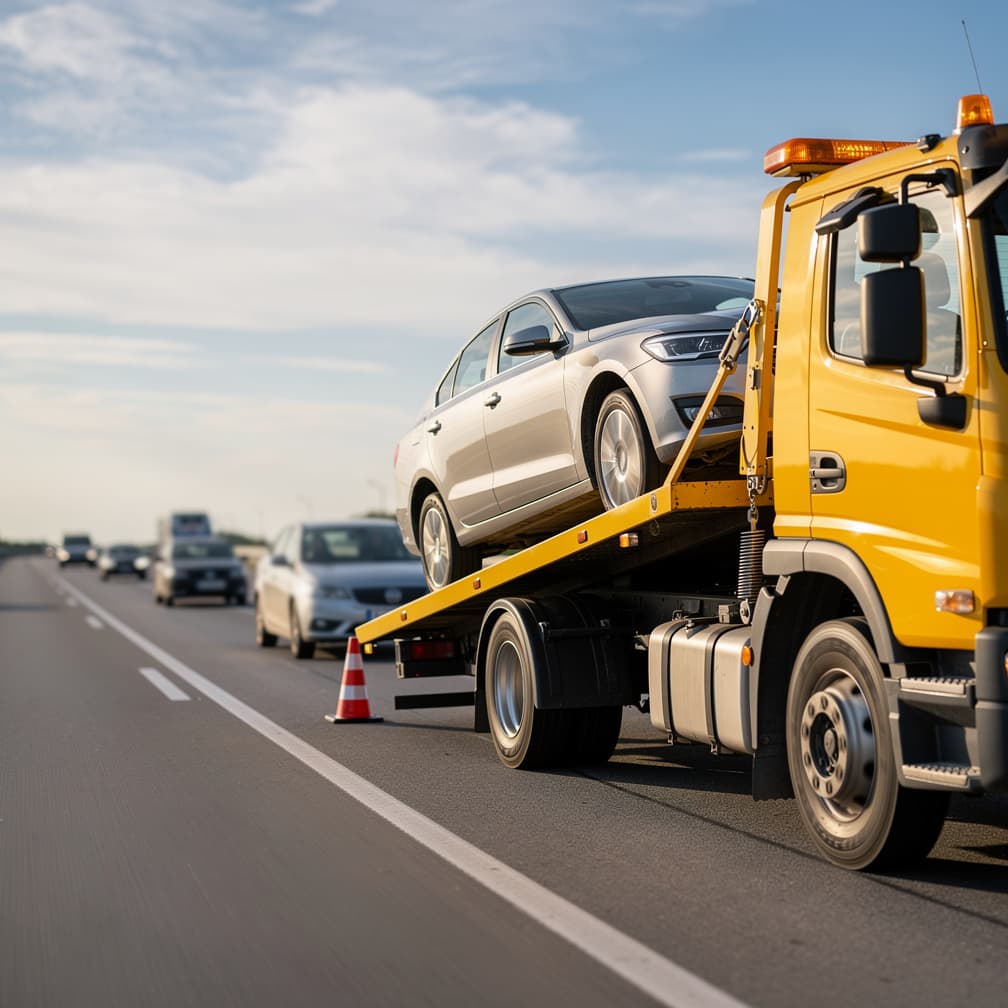
On-hook towing insurance is built for the moment a customer vehicle is in your care during the tow itself. That usually means the vehicle is being loaded, attached, winched, carried on the bed, moved by wheel-lift, or unloaded at the destination. If damage happens in that chain of custody, this is the coverage buyers usually review first because the loss involves someone else’s property and the disagreement starts fast.
The practical question is not whether you tow. It is how the policy defines the towing event. Some operators need protection centered on collision during transport. Others need closer review of loading and unloading, especially if the truck works in tight parking decks, apartment complexes, auction lots, or roadside shoulders where angles, curbs, and traffic increase the chance of contact damage. If you perform recoveries, ask whether winching is addressed clearly and whether the policy language changes once a job moves from a routine tow to a more complex pull.
Fire, theft, and weather damage can matter too, but only while the customer vehicle is on hook or otherwise in transit under the policy terms. That distinction matters because on-hook coverage is not the same as garagekeepers coverage for vehicles kept at your lot, and it is not the same as liability coverage for injury or damage you cause to others with your truck. Each policy addresses a different part of the job.
Customer vehicle protection also depends on valuation language, exclusions, and limits. Review whether the policy settles losses on actual cash value or another basis, whether specialty equipment or personal property inside the vehicle is excluded, and whether there is a cap per vehicle, per truck, or per occurrence. If you tow motorcycles, low-clearance cars, EVs, or modified vehicles, ask for those exposures to be discussed in writing before you buy.
Collision on Hook
Covers damage to towed vehicles from collisions during transport.
Comprehensive on Hook
Covers theft, fire, and weather damage to vehicles being towed.
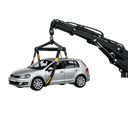
Loading & Unloading
Covers damage during the process of loading and unloading vehicles.
Winching Coverage
Covers damage to vehicles during winching and recovery operations.
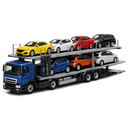
Multiple Vehicle
Covers all vehicles on multi-car carriers and rollback flatbeds.
How Much Does On-Hook Towing Insurance Cost?
The cost of on-hook towing insurance depends less on a generic class code and more on the kind of vehicles you move, how you move them, and how often a claim could become expensive. A quote for a flatbed doing scheduled dealer transfers is built differently from a quote for a wheel-lift unit handling roadside calls, impounds, and recovery work in the same week. Underwriters usually want the operating picture, not just a truck count.
Start with the vehicles you tow. Standard passenger cars present one profile. Luxury vehicles, motorcycles, lifted trucks, commercial vans, and specialty units can change the expected severity of a loss. Then look at the work itself: routine transport, accident recovery, winching, loading in confined spaces, night dispatches, and high-traffic roadside pickups all affect how an insurer views the exposure.
Limits and deductibles also shape price. Higher limits can make sense if you regularly move higher-value vehicles, but they also change premium. A lower deductible can reduce out-of-pocket cost after a claim, yet it may increase the amount you pay for the policy. The same is true for valuation terms, any sublimits tied to certain vehicle types, and whether loading or unloading is tightly defined or broadened.
Your claims history, driver experience, dispatch controls, and equipment condition matter as well. Carriers often look for how you document pre-tow condition, secure vehicles, train operators, and handle keys, photos, and release procedures. If your operation includes more than one type of tow, ask for quotes that show the limit, deductible, and major exclusions side by side. That makes it easier to compare the real cost of the coverage, not just the premium line.
Request a Quote Comparison
Enter your ZIP code to compare on-hook towing insurance rates from top carriers.
Business insurance starting at $25/mo
Who Needs On-Hook Towing Insurance?
On-hook towing insurance fits any business that takes possession of a customer’s vehicle for towing or transport and could be held responsible if that vehicle is damaged while attached to the truck or being moved by it. That includes many traditional towing companies, but it also reaches operators whose work is not labeled simply as towing on their website or invoices.
If you handle roadside assistance calls, you likely need to review it because battery service can turn into a tow, and a simple breakdown can become a loading claim in a crowded shoulder or parking lot. If you perform private property impounds, police rotation work, auction moves, dealer transfers, repossessions, salvage hauling, or recovery jobs, the exposure is even more direct because the customer vehicle is regularly in your care during attachment, transport, and release.
Auto transport and specialty vehicle movers may need it too, depending on how vehicles are loaded and carried and how the rest of the insurance program is structured. The key issue is custody during the move, not the label on the business card. If your drivers ever hook, lift, winch, or carry a vehicle you do not own, you should ask whether the policy form matches that exact activity.
This is also where your authority and operations need to line up. FMCSA says operating authority dictates the type of operation a company may run and the cargo it may carry, so a buyer should review insurance with the same discipline. If your dispatch mix has expanded from local breakdown tows into repossession, recovery, or longer-distance transport, ask your agent to confirm that the policy still fits the work you are actually accepting. A mismatch usually shows up only after a loss, which is the worst time to find it.
How to Buy On-Hook Towing Insurance
Buying on-hook towing insurance starts with a clear map of your operation. Before you request quotes, list every service you perform: roadside towing, accident recovery, private property impounds, dealer moves, repossessions, transport, and winching. Then note how each truck is used, whether it is flatbed or wheel-lift, what vehicle types you handle most often, and whether any jobs involve higher-value, modified, low-clearance, or specialty vehicles. That information changes the policy review in a meaningful way.
Next, gather the documents an agent or underwriter will ask for. Have your vehicle schedule, driver list, loss runs if available, service area, and a short description of dispatch procedures ready. It also helps to explain how operators document pre-tow condition, secure vehicles, store keys, and complete unloading. Those details show how you control claims, and they often matter as much as the truck itself.
When quotes come back, do not compare only the premium. Ask for the on-hook limit, deductible, valuation method, and the exact wording around loading, unloading, and winching. Review exclusions for personal property, specialty equipment, unattended vehicles, or certain classes of autos. If you keep customer vehicles at your lot, ask whether you also need garagekeepers coverage so there is no gap between transport and storage.
Finally, confirm that the policy matches your real operating profile before binding. If your work has changed, say so directly. A business that started with local breakdown tows may now be doing recoveries or dealer transport, and the form should be reviewed accordingly. Ask for the key terms in writing, then keep a copy in your dispatch and driver files so the people taking calls understand where the coverage begins and ends.
How to Save on On-Hook Towing Insurance
The safest way to save on on-hook towing insurance is to make your operation easier to underwrite and easier to defend after a claim. Start with documentation. Require clear pre-tow and post-delivery photos, written condition notes when damage already exists, and a consistent release process. Good records do not just help with disputes. They also show that your business treats customer vehicle handling as a controlled procedure rather than an improvised task.
Driver selection and training are another major lever. Keep current motor vehicle records on file, train operators on securement, loading angles, wheel-lift use, flatbed procedures, and unloading in tight spaces, and document that training. If certain drivers handle recoveries or higher-value vehicles, separate those assignments intentionally instead of treating every call the same.
You can also save by matching limits and deductibles to the vehicles you actually tow. If your dispatch mix is mostly standard passenger vehicles, ask whether your current limit is still appropriate. If you regularly move higher-value units, underinsuring the exposure may create a larger problem than the premium you save. The goal is not the lowest number. It is a policy structure that fits your real loss potential.
Finally, reduce avoidable friction in the account. Keep equipment maintained, update your service descriptions before renewal, and tell your agent if you add repossession, recovery, or transport work. Ask for your towing, auto liability, and any garagekeepers coverage to be reviewed together so overlapping or missing exposures can be spotted before renewal. A cleaner submission usually produces a more useful quote and fewer surprises after a claim.
FAQ
Frequently Asked Questions
On-hook towing insurance may cover damage to a customer vehicle while it is being loaded, attached, carried, winched, or unloaded by your tow truck, depending on the policy terms. Buyers should review collision, fire, theft, weather, and loading-related damage carefully.
Towing businesses, roadside operators, repossession companies, recovery services, and some vehicle transport businesses often need on-hook towing insurance because they move vehicles they do not own. If a customer vehicle is in your care during a tow, this coverage is worth reviewing.
On-hook towing insurance may cover winching damage if the policy form includes that part of the operation. Because winching can be treated differently from a routine tow, ask for the wording to be confirmed in writing before you bind coverage.
On-hook towing insurance is not the same as garagekeepers insurance. On-hook coverage applies during towing or transport, while garagekeepers is generally reviewed for customer vehicles kept at your lot, yard, or shop. Many towing businesses need both exposures considered together.
On-hook towing insurance is easier to buy when you provide a full service description, truck schedule, driver information, and claims history. FMCSA says operating authority dictates the type of operation a company may run and the cargo it may carry, so your quote should match your actual work.
On-hook towing insurance cost usually depends on the vehicles you tow, your truck type, limits, deductibles, claims history, driver experience, and whether you handle recovery or winching work. Ask for quotes that show the major coverage terms side by side.
On-hook towing insurance often focuses on the customer vehicle itself, not every item inside it. Personal property, tools, or specialty equipment may be excluded or limited, so review exclusions and sublimits before you rely on the policy for those exposures.
Sources
Updated July 6, 2026