







































Updated July 16, 2026

Car Insurance in Denver
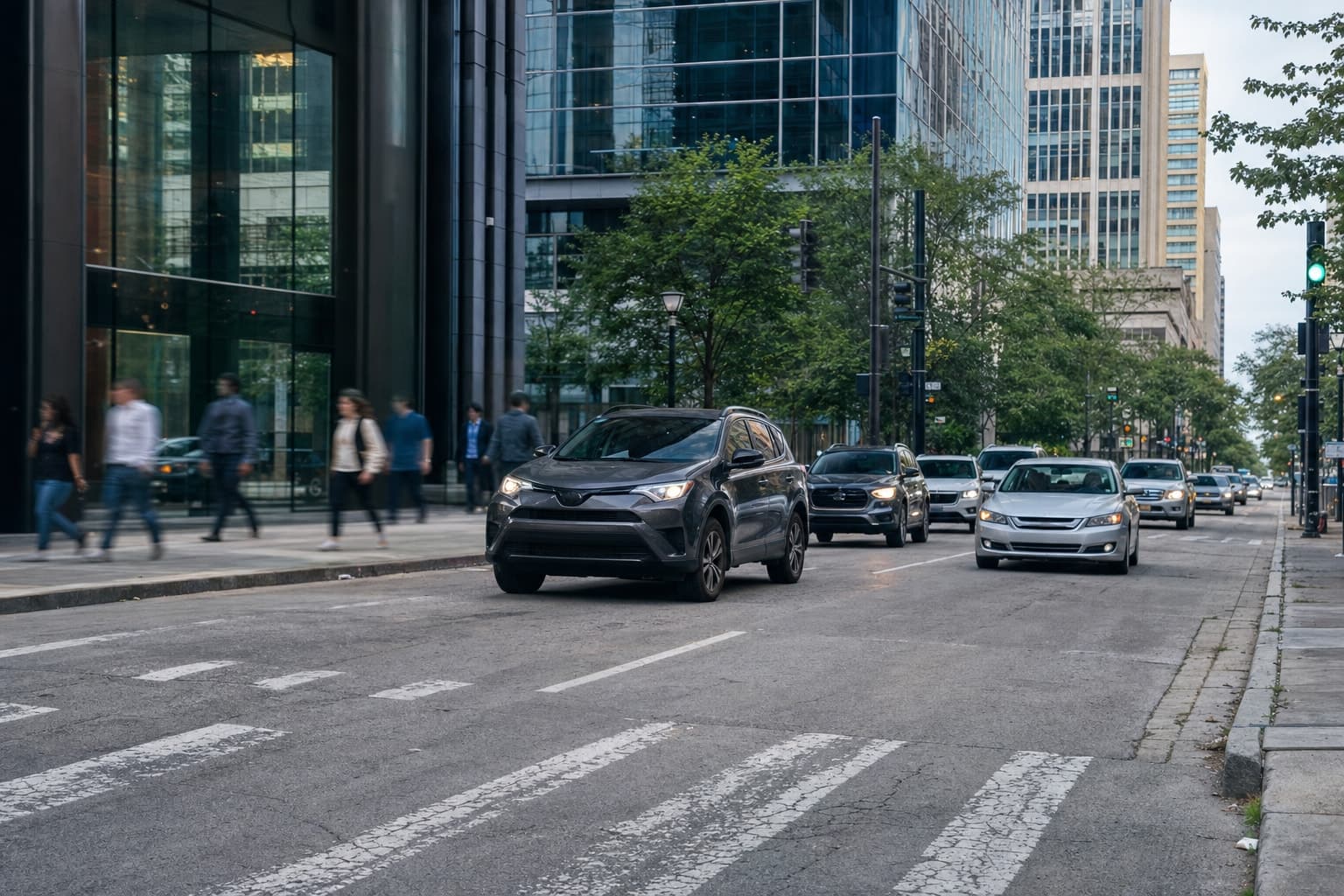
Denver County supports 27,347 business establishments, which means parking lots, garages, curbside loading zones, and commuter corridors stay busy from early appointments through late restaurant shifts. That density changes what buyers should expect from car insurance in Denver. Here, the bigger issue is how often your car is exposed to other vehicles, tight parking, and mixed-use traffic even on ordinary days, because local business activity creates a steady flow of commuters, service vehicles, customers, and delivery activity. If your week includes downtown parking, airport runs, or regular trips between home, work, and errands, review collision and comprehensive alongside liability. You should not assume the state minimum is enough. Local driving here often means more low-speed contact risk, more time parked away from home, and more situations where a deductible decision matters as much as the premium. Before you buy or renew, gather your garaging address, annual mileage, regular drivers, and any lender or lease requirements so the quote matches how you actually use the car.
Colorado has a high climate risk rating. Top hazards: Hailstorm (Very High), Wildfire (Very High), Tornado (High), Winter Storm (High). The state's expected annual loss from natural hazards is $2.1B, which influences car insurance premiums and may affect coverage availability in high-risk areas.
What Car Insurance Covers
Colorado auto insurance generally starts with liability coverage, which is the part of the policy that responds if you injure someone or cause damage to another vehicle in a crash. Colorado's personal auto liability minimums are $25,000 per person, $50,000 per accident, and $15,000 for property damage, but the right limit depends on your vehicle use and risk tolerance. Collision coverage helps pay for repairs to your own car after an accident. Comprehensive coverage is especially relevant in Colorado because hail, wildfire, winter storms, and theft are all part of the local risk picture, and hail exposure is severe while motor vehicle theft is among the top crime types.
Uninsured motorist coverage is worth close attention here because a significant share of Colorado drivers carry no insurance, meaning they may not have enough coverage to pay for injuries they cause. Medical payments coverage can help with medical expenses after a crash regardless of fault, which can be useful on busy roads in Denver, Colorado Springs, or along mountain corridors where delays in care can happen. Rental reimbursement coverage can also be added if you need a temporary vehicle while yours is being repaired after a covered loss.
Coverage Included

Liability
Can help pay for injuries and property damage you cause to others in an accident, coverage most states require drivers to carry.
Collision
Can help pay to repair or replace your car after a crash with another vehicle or object, regardless of fault.

Comprehensive
Typically covers damage to your car from events other than collisions, such as theft, hail, fire, flooding, or hitting an animal.

Uninsured Motorist
May pay for your injuries and, in some states, car damage when an at-fault driver has no insurance or too little.

Medical Payments
Can help cover medical bills for you and your passengers after an accident, no matter who was at fault.
Rental Reimbursement
May pay for a rental car while your vehicle is in the shop for repairs after a covered claim.
Car Insurance Cost in Denver
Average Cost in Colorado
$110 - $250
per month
In Colorado, car insurance premiums typically run $110 - $250 per month, which tends to run 6% above the national range of $110 - $230 per month.
- Driving record and age
- Vehicle make, model, and year
- Location and commute distance
- Credit-based insurance score
- Coverage limits and deductibles
Contact CPK Insurance for a personalized quote.
Prices shown are general estimates, not guaranteed rates or quotes. Your actual premium will depend on the insurer, coverage selected, personal details, location, claims history, and other underwriting factors. Learn about our pricing methodology.
Colorado car insurance cost is shaped by local loss trends, weather exposure, and how much protection you choose. Premiums in the state run higher than in many other states, reflecting several Colorado-specific pressures: severe hail exposure, high wildfire risk, high winter storm risk, and average claim costs that can strain your finances quickly after a single serious incident. If you live or park in areas where hail damage is common, or if you drive in places with higher theft exposure, comprehensive coverage can affect your quote more than it would in a milder state.
Coverage limits and deductibles are major pricing levers. A higher deductible can lower the premium, but it also means more out-of-pocket cost if you file a claim after a crash or a weather-related loss. Claims history matters too, and Colorado's recent crash data shows tens of thousands of total crashes annually, meaning many drivers share the road with accident-involved vehicles daily. Drowsy driving and distracted driving are among the top causes, and those statewide crash patterns can influence risk-based pricing for drivers with similar profiles.
Location also matters inside the state. Premiums can vary between Denver, the Front Range, mountain towns, and rural areas because traffic density, repair access, and weather exposure are not the same everywhere. Colorado's large number of active insurance companies create a competitive market, so comparing quotes from multiple carriers is important if you want to see how one insurer prices your policy versus another.
Industries & Insurance Needs in Denver
Denver County's business mix helps explain why local traffic patterns feel uneven across the day. Professional, scientific, and technical services account for 20.2% of establishments, health care and social assistance 9.8%, and accommodation and food services 9.1%, so many drivers are moving between offices, clinics, restaurants, and shift-based jobs rather than following a single simple commute. For a buyer, that matters because vehicle use can drift beyond a basic home-to-work pattern without feeling unusual. If you regularly drive to client sites, rotate between job locations, or use your car around shift work and hospitality hours, say that clearly when you request quotes. The goal is not to overinsure. It is to make sure the carrier is rating the vehicle for the way it is actually used.
What Affects Car Insurance Rates in Denver
Denver's median household income is $91,681, so many households here are protecting a vehicle that would be expensive to replace quickly after a total loss or a long repair delay. That makes the cost conversation less about finding the lowest monthly bill and more about deciding how much out-of-pocket risk you can actually absorb. If a higher deductible would strain your budget after a claim, ask to compare a few deductible options side by side before you bind coverage. If you finance or lease, confirm the physical damage requirements early so you are not rebuilding the quote later. A useful local quote review should connect premium, deductible, rental reimbursement, and the value of the car you rely on for work, school, or daily errands.
What Makes Denver Different
What matters is where your car sits when you are not behind the wheel. Two drivers with similar vehicles can need a different review if one parks in a private garage and the other relies on street parking near apartments or commercial blocks. Think through how you use the vehicle day to day, where it parks, and what deductible you could absorb. Then compare liability-only against broader protection based on those facts, not on a generic statewide average.
Our Recommendation for Denver
Start with the details that most often change a local auto policy, including your garaging ZIP code, your parking arrangement, how many miles you drive each year, and whether you commute to one workplace or several destinations during the week. If the vehicle is financed or leased, bring that information up first so physical damage coverage is reviewed correctly from the start. If you own the car outright, ask what you save by changing deductibles. Then decide whether that tradeoff still works if the car is unusable for a week or more. It can also be worth asking about rental reimbursement if you depend on the vehicle for commuting or family logistics. If a claim or ticket is recent, disclose it early and compare options on the same facts so you can judge the differences cleanly.
Get Car Insurance in Denver
Enter your ZIP code to compare car insurance rates from carriers in Denver, CO.
Car insurance starting at $59/mo
FAQ
Frequently Asked Questions
Denver drivers who park on the street should usually compare collision and comprehensive with liability, because the car spends more time exposed when it is unattended. Ask the quote to reflect your parking habits and deductible comfort, not just your vehicle type.
Denver County has a dense mix of commuters, customers, service vehicles, and curbside activity across many neighborhoods. That density makes it worth reviewing how much you drive, where you park, and what you use the car for when you compare quotes and deductible options.
Denver households often weigh deductibles against replacement and repair strain. With **median household income at $91,681**, many families could absorb a mid-range deductible but would feel a higher one. The real test is whether you could pay that amount after a claim without straining rent, savings, or other monthly obligations.
Denver County's establishment mix includes professional services at 20.2 percent, health care and social assistance at 9.8 percent, and accommodation and food services at 9.1 percent. Those sectors tend to involve travel between locations, which can mean more miles and more exposure. If your week includes client visits, rotating locations, or shift-based driving, disclose that use clearly when quoting.
Colorado policies can combine liability for injuries you cause, collision for your own car after a crash, comprehensive for hail or theft, uninsured motorist coverage, medical payments coverage, and rental reimbursement. The right mix depends on where you drive, whether you park outside, and how much repair or medical cost you want the policy to help absorb.
Colorado is regulated by the Colorado Division of Insurance and sets personal auto liability minimums at $25,000 per person, $50,000 per accident, and $15,000 for property damage. For personal car insurance in Colorado, the exact required structure and any optional coverages should be confirmed on your quote and policy documents.
Colorado car insurance cost depends on coverage limits, deductibles, claims history, location, vehicle type, and endorsements. Average monthly pricing runs from $110 to $250, so a personalized quote is the best way to see your actual rate.
Liability is the starting point, but many Colorado drivers also compare collision and comprehensive because crash frequency, hail, wildfire, winter storms, and theft can all affect repair costs. Whether you need full coverage depends on your vehicle value, commute, and budget.
Sources
- 1.U.S. Census Bureau, County Business Patterns, Denver County(Denver County supports 27,347 business establishments.; Denver County's business mix includes professional, scientific, and technical services at 20.2%, health care and social assistance at 9.8%, and accommodation and food services at 9.1%.)
- 2.U.S. Census Bureau, ACS 5-Year Estimates, table B19013(Denver's median household income is $91,681.)
Updated July 16, 2026





