
Updated July 5, 2026

Homeowners Insurance in Denver
Denver is a tighter local market than a statewide average suggests, so carrier appetite can turn on property details that look minor on paper but matter in underwriting, such as roof age, prior updates, attached garage configuration, or whether your home is a condo, duplex, or detached house. If you are shopping homeowners insurance in Denver, it helps to approach quotes with a clean property profile and current rebuild assumptions instead of relying on an old declarations page. The city’s median home value is $586,700, so a small gap between market value, dwelling limit, and ordinance or law coverage can become expensive at claim time if your policy has not been reviewed recently. Local household budgets also shape deductible decisions and how much out-of-pocket loss you could absorb without disrupting other obligations. Bring your current policy, roof and system update dates, and any recent inspection notes into the quote process. That gives you a better read on which options are worth comparing now, before renewal or closing forces a rushed choice.
Colorado has a high climate risk rating. Top hazards: Hailstorm (Very High), Wildfire (Very High), Tornado (High), Winter Storm (High). The state's expected annual loss from natural hazards is $2.1B, which influences homeowners insurance premiums and may affect coverage availability in high-risk areas.
What Homeowners Insurance Covers
In Colorado, homeowners insurance is built around four core protections: dwelling coverage for the structure, personal property coverage for belongings, liability coverage if someone is injured on your property, and additional living expenses coverage if a covered loss forces you out during repairs. Other structures coverage can also matter for detached garages, sheds, and fences, especially on larger lots common outside dense Front Range neighborhoods. Colorado does not legally require homeowners insurance for every owner, but mortgage lenders usually require it, and the Colorado Division of Insurance oversees the market. Policy terms can vary by carrier, so you should verify what is included rather than assume every form responds the same way.
Colorado homeowners often focus on perils tied to the state's climate, including hail, wind, fire, winter storm damage, and theft-related losses. Standard homeowners insurance generally does not cover flood damage, so homes in areas with flash-flood exposure or mudslide risk may need separate flood coverage. That matters in Colorado because recent disaster history includes flash flooding, mudslides, severe winter storms, and wildfire events in multiple counties. Medical payments coverage may also be included, but the exact limits vary by policy. Because reconstruction costs in Colorado can be higher than expected, dwelling coverage should be based on rebuilding cost, not market value or purchase price. If you live in a high-risk area near wildfire zones or in a hail-prone corridor along the Front Range, endorsements and deductible choices can materially change the protection you end up with.
Coverage Included

Dwelling
Repairs or rebuilds your home itself, the walls, roof, floors, built-in appliances, and attached structures like a garage, after a covered loss. Set this limit to the full cost of rebuilding, not market value.
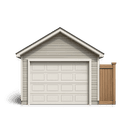
Other Structures
Detached structures on your property, such as a fence, shed, detached garage, or gazebo. Usually set at about 10 percent of your dwelling limit [2].

Personal Property
Your belongings, furniture, clothing, electronics, and appliances, generally written at 50 to 70 percent of your dwelling limit [2]. High-value items like jewelry and art carry special limits.

Additional Living Expenses
Also called loss of use. Pays your added living costs, hotel stays, meals, and a temporary rental, while a covered loss makes your home uninhabitable. Usually set at about 20 percent of your dwelling limit.

Liability
Covers you if someone is injured on your property, or you damage someone else's property, and you are found responsible. The standard $100,000 limit [2] is often raised to $300,000 or $500,000.

Medical Payments
Pays small medical bills, commonly $1,000 to $5,000, if a guest is hurt at your home regardless of fault, without a formal liability claim.
Homeowners Insurance Cost in Denver
Average Cost in Colorado
$130 - $340
per month
In Colorado, homeowners insurance premiums typically run $130 - $340 per month, which tends to run 31% above the national range of $110 - $250 per month.
- Home replacement cost, age, and construction type
- Roof age, material, and condition
- ZIP code and local weather risk (wind, hail, wildfire, hurricane)
- Coverage limits and endorsements
- All-peril and percentage wind/hail deductibles
- Claims history and insurance score where allowed
Typical range for many standard homeowners profiles; lower-risk homes fall below it and coastal, wildfire, or older-roof homes can run well above. Final pricing depends on property details, location, underwriting, and selected coverage.
Prices shown are general estimates, not guaranteed rates or quotes. Your actual premium will depend on the insurer, coverage selected, personal details, location, claims history, and other underwriting factors. Learn about our pricing methodology.
Colorado homeowners insurance cost varies widely, but premiums in the state run above the national average. Carriers price conservatively in exposed areas, so a quote can look very different from what a national estimate suggests. Budgeting for that gap can help you avoid sticker shock when comparing options.
Several local factors shape the price. Hailstorm exposure is rated very high, wildfire risk is very high, and winter storm risk is high, so homes in Denver, Colorado Springs, Boulder, and the mountain corridor may see different pricing than lower-risk locations. Roof age and material, age and condition of the dwelling, claims history in the area, and local crime rates all influence the premium. Colorado's median home value is $518,000, so if your dwelling limit is based on purchase price rather than rebuild cost, you may fall short if construction expenses spike. Carrier competition can help, since Colorado has hundreds of active insurance companies competing for business.
What Affects Homeowners Insurance Rates in Denver
Denver’s housing math changes the insurance conversation because local home values are high. That does not set your premium by itself, but it is a practical signal that many local buyers should look closely at dwelling limits, extended replacement features, and whether detached structures or finished basements are scheduled realistically. The city’s median household income is $91,681, so deductible choice matters too: a higher deductible can lower premium, but it only works if you could comfortably absorb that out-of-pocket cost after a loss. Instead of asking only for the lowest quote, ask each carrier to show the effect of changing the deductible, reviewing personal property limits, and adding endorsements that fit how the home is actually used. That side-by-side comparison usually tells you more than a single price ever will.
What Makes Denver Different
Property value concentration is the main thing that changes the calculus here. In Denver, the bigger risk is often not whether you can find a policy, but whether the policy you buy still matches the home you own after renovations, rising material costs, or a move from starter-home assumptions to higher-end finishes and contents. In practice, that means you should treat the quote as a coverage design exercise, not just a billing exercise. Review dwelling, other structures, personal property, loss of use, and liability together, then test deductible options against your actual cash reserves. If you own a condo or a home in a small association, confirm where the master policy stops and where your responsibility starts. That is the local difference: coverage gaps can hide inside otherwise ordinary policies when home values are this high.
Our Recommendation for Denver
Start with your current declarations page and verify the basics line by line: dwelling limit, deductible, liability, water backup if offered, and any endorsements tied to roof settlement, scheduled items, or ordinance or law. If your home has been updated, give the quote team the year and scope of work for the roof, electrical, plumbing, and HVAC, because those details can affect both eligibility and pricing. If you are buying, do not assume the seller’s prior coverage structure fits your ownership plans. A finished basement, home office, short-term guest use, or higher-value jewelry and electronics can all change what should be reviewed. Keep the conversation practical. Ask what exclusions or sublimits deserve attention, what documentation would help underwriting, and how each deductible option changes the tradeoff between premium and claim-time out-of-pocket cost. Then compare on terms, not just on price.
Get Homeowners Insurance in Denver
Enter your ZIP code to compare homeowners insurance rates from carriers in Denver, CO.
Home insurance starting at $50/mo
FAQ
Frequently Asked Questions
Denver quotes usually turn on property specifics first: roof age, update history, construction type, occupancy, and prior claims. It is worth checking whether dwelling and ordinance-related limits still fit the home you own now.
Denver home values are a useful prompt to review coverage, not a direct formula. Ask for a fresh replacement-cost review and compare any extended dwelling options before you renew.
Denver buyers should match the deductible to real savings capacity, not just the lowest premium. Ask to see several deductible options side by side before deciding what out-of-pocket risk feels manageable.
Denver condo owners usually need to confirm where the association’s master policy ends and where unit-owner responsibility begins. Interior improvements, personal property, liability, and loss assessment can all deserve a closer review than a detached-home policy setup.
Denver closings go more smoothly when you bring the address, prior loss history if known, inspection findings, and update dates for major systems. That gives underwriting a cleaner file and helps you compare terms instead of rushing into the first available quote.
Colorado homeowners insurance can help cover dwelling damage, personal property losses, liability claims, and additional living expenses. It may also include other structures coverage. In Colorado, that protection is especially relevant for hail, wind, fire, theft, and winter-storm damage, but flood damage is not included in a standard policy.
You should buy enough dwelling coverage to rebuild the home at current Colorado construction costs, not just match the purchase price. Because market value and rebuild cost can differ significantly, many owners need to review whether their limits are high enough for a full rebuild.
Yes, mortgage lenders usually require homeowners insurance in Colorado even though the state does not legally require every homeowner to carry it. That is why many buyers need a policy in place before closing.
Sources
- 1.U.S. Census Bureau, ACS 5-Year Estimates, table B25077(The city’s median home value is $586,700.)
- 2.U.S. Census Bureau, ACS 5-Year Estimates, table B19013(The city’s median household income is $91,681.)
Updated July 5, 2026