Updated July 16, 2026

Key Takeaways
- Compare quotes using the same peak inventory value, deductible, and valuation assumptions so you can see real coverage differences.
- Ask in writing how the policy handles hail, flood, theft, vandalism, and test drives before you bind coverage.
- Prepare a current inventory schedule, offsite storage list, and security summary before requesting dealer open lot insurance quotes.
- Review whether flood needs separate placement instead of assuming another policy form includes it automatically.
- Requote after security upgrades, lot layout changes, or improved claims history so pricing reflects your current risk.
Dealer Open Lot Insurance in Colorado
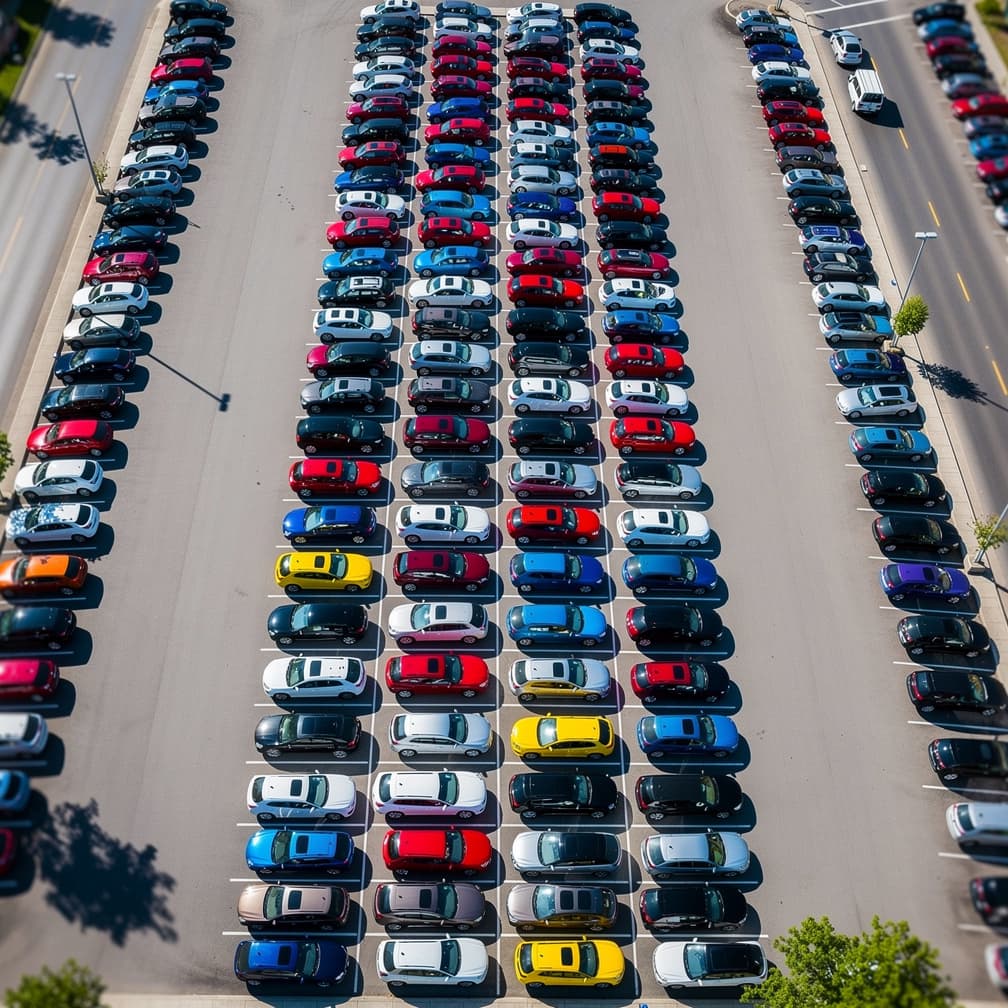
A single hailstorm can shred your front row in ninety seconds, and a fast temperature swing can turn a routine lot check into a scramble over cracked glass, roof damage, and water intrusion. In Colorado, dealers also deal with inventory spread across main lots, overflow storage, service areas, and transport between locations, which changes how loss can happen and how a claim gets documented.
You want the quote to match where units sit, how often they move, who has custody during transfers, and what records you can produce the same day a loss is reported. State oversight also matters if you are comparing forms, deductibles, and complaint handling. Line up your current inventory values, storage addresses, transport routines, and any seasonal concentration of higher value units so the quote reflects the exposure you really carry.
What Dealer Open Lot Insurance Covers
A front line of vehicles parked outdoors faces one set of issues, but overflow units at a secondary storage yard, vehicles staged behind the service drive, and inventory being repositioned between addresses can create different claim questions. Your review should center on where each class of unit is kept, how long it stays there, and whether the policy language matches those locations and movements.
In this state, weather volatility deserves close attention during the coverage review. A loss is not always a single dramatic event. It can be a hail strike across dozens of units, wind driven debris that damages only one side of the lot, or water entering vehicles after broken glass goes unnoticed until the next morning. That makes it important to ask how the policy handles partial damage, multiple affected units in one occurrence, and the records you will need to support pre loss condition and current value.
You should also review how the form treats temporary offsite storage, dealer trades, and vehicles in ordinary handling around the dealership. If your operation uses more than one address, ask for each location to be scheduled correctly and confirm whether unscheduled storage creates a gap. If higher value inventory arrives only during certain seasons or auction cycles, bring that up so limits and reporting expectations fit the way your lot actually changes over time.
A useful next step is to note every place sale inventory can sit for even a short period, then compare that list against the locations, deductibles, and valuation approach shown on the quote.

Weather Damage
Covers hail, wind, flood, and storm damage to lot inventory.
Theft Protection
Covers vehicles stolen from your lot.
Fire Damage
Covers fire and explosion damage to inventory vehicles.

Vandalism
Covers intentional damage to vehicles on your lot.
Test Drive Coverage
Covers vehicles during customer and employee test drives.
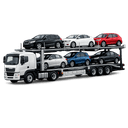
Transit Coverage
Covers vehicles being moved between lot locations.
Dealer Open Lot Insurance Requirements in Colorado
- Colorado regularly leads the nation in hail claims severity, so ask how the policy responds when one storm damages many vehicles across different sections of the lot.
- If your dealership uses overflow storage or a second address, confirm each location is scheduled correctly before inventory is moved there.
- Seasonal shifts in higher value inventory can change your exposure quickly, so limits and reporting practices should be reviewed before those units arrive.
- Strong documentation showing where each unit was stored, its condition, and its value on the date of loss can make a significant difference in how quickly a claim is resolved.
How Much Does Dealer Open Lot Insurance Cost in Colorado?
Pricing in Colorado usually turns on exposure concentration and documentation quality more than on a simple inventory count. Underwriters want to know the total value you hold for sale, but they also look at how that value is distributed. A lot with moderate value spread across several rows can underwrite differently from a lot where a smaller number of higher value units are clustered in one exposed area. If you use overflow storage, that can change the quote because the risk is no longer tied to one controlled location.
Weather driven loss potential is another practical pricing issue in Colorado. If your inventory is parked in open areas with limited shelter, the deductible structure matters as much as the premium. A lower premium can still be a poor fit if the deductible would force you to absorb too much of a large hail or wind event. For example, a one percent deductible on a lot carrying $800,000 in inventory means an $8,000 out of pocket hit before the policy pays anything, which could be the difference between repairing thirty storm damaged units for full sale or discounting them at auction. Compare premium against deductible, location schedule, and valuation method rather than shopping on price alone.
Operational details also affect cost. Frequent movement between lots, auction purchases that temporarily increase values, inconsistent inventory reporting, and weak photo records can all make a risk harder to underwrite. The cleaner your records, the easier it is for an underwriter to understand peak values and approve terms that match your actual exposure. If your inventory changes sharply during tax season, summer demand, or specialty buying cycles, say so up front instead of letting the carrier discover it after binding.
The best way to get a usable quote is to submit a current inventory list, peak value estimate, all storage addresses, security details, and your preferred deductible options together. That gives you a quote you can actually compare and buy with confidence.
Request a Quote Comparison
Enter your ZIP code to compare dealer open lot insurance rates from top carriers.
Business insurance starting at $25/mo
Who Needs Dealer Open Lot Insurance?
Colorado operations that keep vehicles for resale outdoors or in mixed storage setups should review this coverage with their lot layout in mind. That includes dealers with a visible retail frontage, but also businesses that rely on back lot storage, fenced overflow space, or a second address where units wait for reconditioning or sale. When inventory is titled to your business and exposed before delivery to the buyer, the real question is where that risk concentrates and how quickly you can prove what was damaged.
This matters especially for dealers whose inventory moves often. A business that rotates units between a main lot and a nearby storage area, sends vehicles through detail and service before sale, or regularly acquires inventory from auctions can create custody and location issues that deserve a closer policy review. The more often units change position, the more important it becomes to confirm where coverage applies and what records support a claim.
Colorado weather patterns also make this relevant for dealers that carry seasonal inventory mixes. If your higher value units arrive during a narrow selling window, your exposure can spike even if your average inventory looks manageable on paper. A quote based only on a routine month may leave you underinsured during the period that matters most. That is why seasonal peaks, temporary storage, and concentration of value should be discussed early in the quoting process.
If you are renewing, expanding to another address, or taking on more expensive inventory than last year, a fresh review of your lot schedule is usually the point where hidden gaps show up.
Dealer Open Lot Insurance by City in Colorado
Dealer Open Lot Insurance rates and coverage options can vary across Colorado. Select your city below for localized information:
How to Buy Dealer Open Lot Insurance
Buying this coverage in Colorado goes more smoothly when you prepare the file the way an underwriter reviews the risk. Pull together a current inventory report that shows each unit held for sale, its value, and where it is stored, then break out your locations by function so the quote reflects your full footprint rather than just the main display lot. Include overflow storage, service areas, reconditioning space, and any temporary offsite address. That helps prevent a quote from being built around only the most visible location while missing where loss could actually occur.
Next, document how inventory moves. If units are transferred between addresses, taken to detail, staged for photos, or parked offsite during space constraints, note who controls the vehicles and how often those moves happen. In Colorado, that operational detail matters because weather losses and theft related claims often turn on where the unit was at the time of loss and whether that location was properly disclosed.
You should also decide what deductible range your business can realistically absorb. Do not ask only for the lowest premium. Ask for options that let you compare deductible, valuation approach, and any location specific conditions. A quote is more useful when you can see how the terms respond to a multi unit event instead of a single damaged vehicle.
If you are comparing forms or have a complaint handling question during the process, remember that the Colorado Division of Insurance regulates insurance in the state and can help consumers resolve disputes with carriers, so keep copies of applications, schedules, and endorsements exactly as submitted. Before you bind, verify every storage address, peak inventory value, and any seasonal change in unit mix. That final check is where many avoidable errors get caught.
How to Save on Dealer Open Lot Insurance
Lowering dealer open lot costs in Colorado starts with making your inventory easier to track, value, and defend after a loss. Start with location discipline. Keep a current schedule of every address where sale inventory can sit, even temporarily, and update it before units begin using a new space. An underwriter is more comfortable pricing a risk when the storage pattern is clear and stable.
Photo and condition records can also help your pricing conversation. If you can show dated images, stock numbers, acquisition values, and where each unit was parked, you reduce uncertainty around claim documentation. It can also improve the underwriting file because the carrier sees a dealership that can verify values and conditions quickly.
You may also save by matching limits to realistic peak inventory rather than guessing high or low. If your lot value rises during certain selling periods, estimate that peak carefully and discuss it in advance. Overstating values can make the account more expensive than necessary, while understating them can create a painful shortfall after a weather event.
Operational controls matter too. Review where higher value units are parked, how keys are secured, how often inventory is reconciled, and whether overflow storage is inspected on a set schedule. Those steps make the risk more predictable. When you request quotes, submit the same complete data set to each option so you are comparing real terms, not incomplete assumptions. That is usually where meaningful savings show up without weakening the policy.
Our Recommendation for Colorado
For Colorado dealers, the most important buying move is to treat lot layout as a coverage issue, not just an operations issue. Note every place inventory can sit during a normal week, including overflow corners, service staging, and any offsite storage. Then compare that list to the addresses and conditions shown on the quote.
Next, stress test your deductible against a scenario where one storm damages many units, not a single damaged vehicle. If one event could affect a large section of inventory at once, the deductible you choose needs to fit your cash flow. A lower premium is not a win if the out of pocket cost would delay repairs or force you to discount damaged units.
You should also tighten your valuation records before shopping. Keep acquisition documents, stock numbers, dated photos, and location logs in one place. In a claim, speed and clarity matter. The dealership that can show what it owned, where it was stored, and what condition it was in is in a stronger position from the first notice of loss forward.
Finally, review the policy any time you add a location, shift inventory mix, or start using overflow storage more often. Those are the moments when a quote that looked adequate last renewal can stop matching the risk you actually carry.
FAQ
Frequently Asked Questions
If inventory sits at a main lot, overflow yard, or temporary storage address, list those locations clearly so the quote matches where vehicles are actually exposed.
Weather driven losses in this state can affect many units in one event, so deductible choice, location schedules, and inventory records deserve a closer review during the quoting process.
The Colorado Division of Insurance regulates insurance in the state and can help consumers resolve disputes with carriers, so if you are comparing forms, endorsements, or complaint handling, keep your quote documents and policy changes organized from the start.
Coverage for overflow storage may depend on your policy form and scheduling, so the safer approach is to disclose every offsite address during quoting. That helps the underwriter evaluate where inventory sits instead of assuming one primary lot.
Dealers with seasonal spikes in higher value inventory should review limits before those units arrive. A quote based on an average month may not fit the period when the most value is exposed outdoors.
Keep a current inventory list, values, dated photos, and location logs. Those records help show what was on hand, where it was stored, and its condition at the time of loss.
Multi location dealers usually need a more detailed review because inventory movement creates extra claim questions. The key step is matching each address and storage use to the policy before a loss happens.
Dealer open lot insurance nationwide is generally reviewed for damage or loss to vehicles you own for sale, including hail, wind, theft, vandalism, fire, flood, and test drive exposure, depending on your policy terms, deductibles, valuation method, and any location or off-premises limitations.
Sources
- 1.Colorado Division of Insurance(Colorado uses the Colorado Division of Insurance as the state insurance regulator.)
Updated July 16, 2026