Updated July 16, 2026

Key Takeaways
- Review your construction contract before requesting a quote, so the named insureds and insurance responsibility match the job documents.
- Prepare the project budget, timeline, address, and scope summary before applying, so the quote reflects the work actually being built.
- Check whether the policy addresses on-site materials, transit, temporary structures, and soft costs before the first delivery arrives.
- Compare the policy term against your realistic completion schedule, then ask about extension options before the original term gets close to expiring.
- Map builders risk against your liability, installation, and equipment policies, so you avoid both coverage gaps and overlapping property insurance.
Builders Risk Insurance in Connecticut
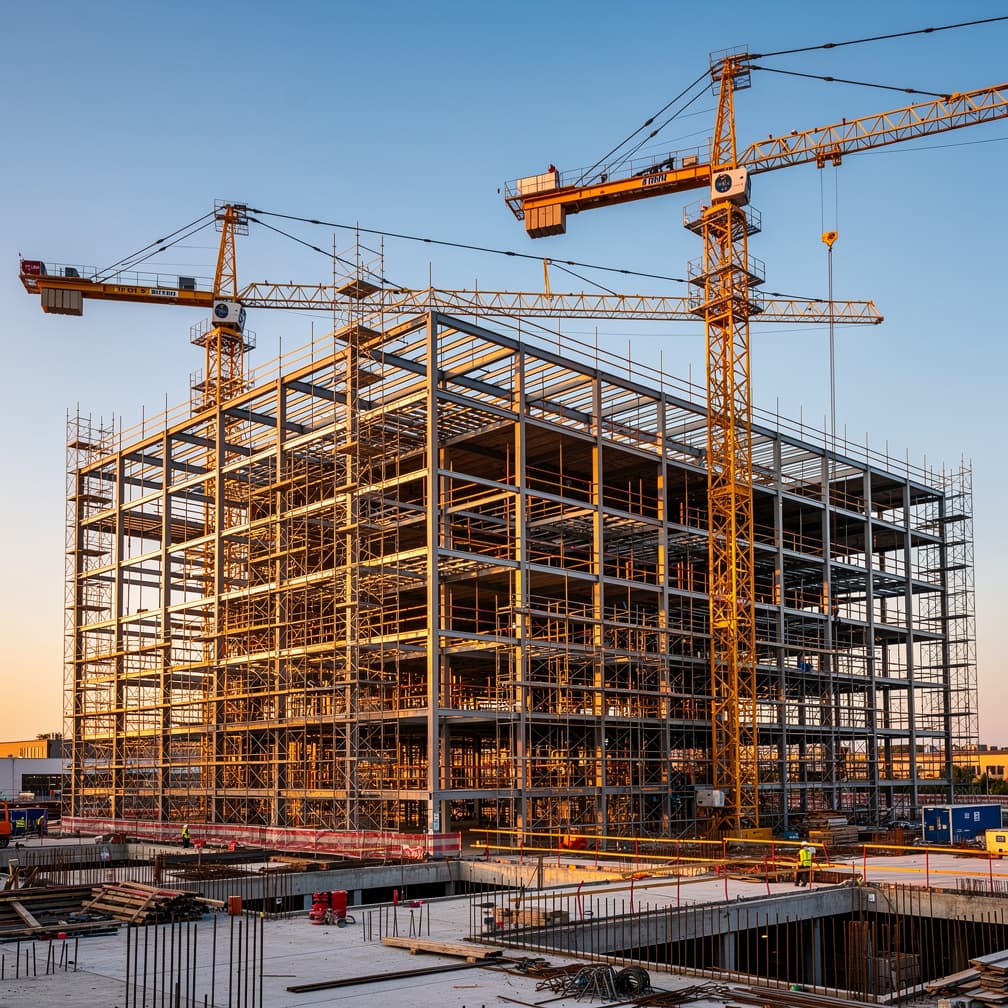
You are at the point where the lender is ready to close, the owner wants evidence of insurance before funds are released, and the construction schedule is already tied to material deliveries and subcontractor start dates. That is usually when builders risk insurance in Connecticut stops being a line item and becomes a project control issue. A policy decision here affects more than the frame or shell. It changes how you handle stored materials, temporary works, renovation exposure in occupied buildings, and who needs to be recognized across the contract chain.
Connecticut projects also force you to look closely at weather-driven loss potential, especially if your site, staging area, or delivery schedule can be disrupted by regional storm conditions. That matters on coastal work, inland renovations, and phased additions alike. Before you bind coverage, review the construction agreement, the draw schedule, and the property values that need to be insured at each stage. Then match the policy structure to the actual job, including where materials sit before installation and how long the project is expected to run.
What Builders Risk Insurance Covers
In Connecticut, the most important coverage conversation is often not the building itself, but the property and project conditions around it that can turn a routine loss into a delayed completion problem. On a ground-up job, that usually means checking whether materials stored on site, in a temporary storage location, or in transit need to be scheduled or specifically addressed. On an addition or renovation, it means separating new work from existing property so a claim does not turn into an argument over which policy should respond.
You should also review temporary structures and jobsite support property that keep the work moving. If your project depends on fencing, scaffolding, construction forms, or temporary protection, ask whether those items are included, limited, or excluded. The same goes for debris removal, pollutant cleanup, and soft cost coverage. Soft costs are the ongoing expenses and financial obligations that keep accruing when a covered loss delays completion, things like loan interest, real estate taxes, lease and advertising costs, and administrative overhead. If a covered property loss pushes back occupancy or financing milestones, this coverage can help pay those extra carrying costs.
Connecticut conditions make water management and weather readiness worth discussing early. If materials are staged before installation, ask how they must be protected and documented. If you are renovating an occupied building, review how the policy treats partial occupancy, phased turnover, and damage that starts in the course of construction but affects finished areas later. If the contract requires multiple parties to be recognized, confirm exactly how the owner, general contractor, and others should appear on the policy before work starts. That step can prevent a last-minute scramble at closing or before the first draw.

Structure Coverage
Covers the building or structure under construction.

Materials on Site
Covers building materials stored at the construction site.

Materials in Transit
Covers materials being transported to the job site.
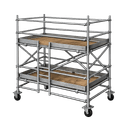
Temporary Structures
Covers scaffolding, fencing, and temporary buildings.

Soft Costs
Covers additional expenses from construction delays due to covered losses.
Equipment Coverage
Covers permanently installed fixtures and equipment.
Builders Risk Insurance Requirements in Connecticut
- Renovation projects in occupied buildings often need a clear division between the builders risk policy and the existing property policy, so confirm where one stops and the other begins before work starts.
- If your job depends on staged deliveries, review whether off-site stored materials and transit exposures are specifically addressed, since a gap here can leave high-value items unprotected between the supplier and the site.
- Coastal and inland weather conditions make water intrusion prevention and material protection procedures important underwriting details, and documented site protocols can help you avoid restrictive weather-related exclusions.
- Projects with lender oversight often move faster when named insureds and evidence wording are matched to closing documents early, because last-minute wording changes are a common cause of delayed draws.
How Much Does Builders Risk Insurance Cost in Connecticut?
For Connecticut projects, builders risk pricing is usually shaped by underwriting details that are easy to overlook until the quote comes back with questions. The completed value still drives the starting point, but underwriters also look closely at construction type, project length, renovation versus new construction, security at the site, and where materials are stored before installation. A coastal exposure, an occupied renovation, and a straightforward interior build-out present different loss scenarios, and underwriters price them accordingly.
The fastest way to get a usable quote is to present the project the way the underwriter will evaluate it. That means giving a clear statement of values, the full job address, the scope of work, the anticipated start and completion dates, and whether there will be any periods when the site is idle. If the project includes owner-furnished materials, long-lead items, or equipment that will sit off site before delivery, include that up front. Leaving those details out can produce a quote that looks workable at first and then changes once the file is reviewed.
Connecticut weather exposure can also affect how an insurer looks at protection requirements, especially for water intrusion controls, site security, and storage practices. If you are comparing quotes, do not just compare the premium. Check the valuation basis, the deductible structure, any limitation on theft of materials, and whether delay-related options are available if your financing or occupancy timeline depends on completion. If a lender or owner is involved, ask for the quote in the exact format they need so you do not lose time revising named insureds, mortgage interests, or project descriptions after approval.
Request a Quote Comparison
Enter your ZIP code to compare builders risk insurance rates from top carriers.
Business insurance starting at $25/mo
Who Needs Builders Risk Insurance?
In Connecticut, the right question is usually not whether someone is involved in the project, but whether that party has money at risk if covered property is damaged before completion. Owners often start the conversation because they are funding the work and need to protect the value being put in place. General contractors also need to review the requirement carefully, especially when the contract makes them responsible for arranging coverage, coordinating certificates, or making sure the policy structure matches the construction schedule.
Lenders are another practical driver. If construction financing is part of the deal, the bank may want evidence that the project is insured before funds are advanced. That can affect who buys the policy, how the insured parties are listed, and whether the amount of insurance needs to track the completed value or a specific phase of work. On tenant improvement projects, landlords may also set insurance requirements in the lease package, which means the insurance review should happen before permits are pulled and materials are ordered.
Connecticut renovation work deserves special attention because responsibility can be split across the owner, the contractor, and the existing property policy. If you are improving an occupied building, ask who is insuring the new work, who is insuring the existing structure, and whether there is any gap if a loss affects both. Developers, construction managers, and design-build firms should also review their role early if they are contractually responsible for project insurance administration. The cleanest approach is to identify every party with a financial interest, then match that list against the contract before the first shovel goes in.
Builders Risk Insurance by City in Connecticut
Builders Risk Insurance rates and coverage options can vary across Connecticut. Select your city below for localized information:
How to Buy Builders Risk Insurance
Start by pulling the construction contract, any lender insurance provisions, the project budget, and the latest schedule. Those papers tell you who must procure the policy, who needs to be recognized on it, what property values must be insured, and whether the requirement changes as the job moves from site work to vertical construction to finishing phases.
Next, build a submission that answers the questions an underwriter will ask anyway. Include the project address, scope of work, completed value, start date, expected completion date, construction type, security measures, and whether the job is new construction, a renovation, or an addition to an occupied structure. If materials will be stored off site or delivered in stages, say so clearly. If the project has a coastal exposure or a tight financing timeline, mention that early so the quote can be structured around the real operational risk.
Before binding, read the quote against the contract line by line. Confirm the named insureds, mortgage interest, loss payee wording if required, covered locations, deductible, and any limitation that affects theft, water damage, temporary structures, or testing. If the owner expects proof of coverage before releasing funds, ask for specimen evidence wording in advance. The Connecticut Insurance Department regulates insurance in the state, so use that resource to verify licensing or review complaint resources while evaluating policy paperwork.
Request a quote through CPK Insurance to compare your options with participating licensed providers.
How to Save on Builders Risk Insurance
Savings on Connecticut builders risk usually come from reducing uncertainty in the submission, not from stripping out terms you may need after a loss. A renovation in New Haven County with a documented security plan and a clear statement of values will typically receive fewer underwriting questions, fewer coverage restrictions, and a more competitive premium than the same project submitted with gaps. Start by tightening the valuation picture so the underwriter has fewer reasons to add caution pricing or restrictive terms.
Project organization also matters. If your schedule is realistic, your site security plan is documented, and your material storage practices are clear, the file is easier to underwrite. That is especially useful on renovation work, phased projects, and jobs where materials arrive well before installation. If you know the site will be idle for any period, address that before quoting instead of hoping it never comes up. Surprises discovered after binding can be more expensive than disclosing the exposure early.
You can also save by aligning the policy term with the actual construction timeline and reviewing optional coverages carefully. Buying a term that is too short can force an extension request under pressure. Buying options you do not need can raise cost without improving the fit. Keep what supports the project.
Finally, make the evidence package part of the shopping process. If the owner, lender, or landlord needs specific wording, request it while comparing quotes. That reduces rework, avoids delayed closings, and helps you judge the real value of each option instead of focusing only on the initial premium.
Our Recommendation for Connecticut
For Connecticut projects, start your builders risk review where delays actually happen: contract wording, stored materials, and renovation conditions in occupied buildings. Those are the points most likely to create friction between the owner, contractor, lender, and existing property insurer if a loss occurs. Ask for the quote to mirror the job as it will be built, not as a simplified application summary. If the project includes phased turnover, off-site storage, owner-furnished items, or temporary protection measures, put those details in writing before the policy is issued. That gives you a better chance of getting terms that fit the work instead of discovering a limitation after a claim.
Weather readiness deserves the same care you give the insured value. A preventable weather-related loss can cost more in schedule disruption than in direct damage alone. If financing is involved, compare the policy evidence requirements against the lender checklist before closing. If renovation work touches an occupied structure, map out exactly where builders risk stops and the existing property policy begins. That one step can prevent a serious coverage dispute during the project.
FAQ
Frequently Asked Questions
The buyer is usually the party the contract makes responsible for insuring the project, often the owner or general contractor. Check the construction agreement and lender requirements first so the policy matches the financial interests tied to the job.
Renovation work is often where coverage review matters most, especially in occupied buildings. You should confirm who insures the new work, who insures the existing structure, and whether any gap appears if one loss affects both areas.
Yes, a policy can help cover materials stored off site, but only if the storage location is disclosed and approved before binding. The location, protection measures, and policy wording need to match how your project actually operates.
Lenders often want evidence of insurance before releasing construction funds or closing a loan. Review the lender checklist early, then make sure named insureds, mortgage interests, and project values on the quote match the financing documents.
Buyers should compare more than premium. Read the deductible, covered locations, theft limitations, water damage conditions, and any delay-related options against the contract so the quote supports the project instead of just looking inexpensive.
Insurance questions and consumer guidance route through the Connecticut Insurance Department. If you need to verify licensing or review complaint resources while buying coverage, use that source before you finalize the policy paperwork.
Projects here often can recognize multiple parties, but the exact structure depends on the contract and insurer wording. Confirm the owner, contractor, lender interests, and any required wording before work starts so evidence can be issued correctly.
Builders risk insurance may cover, subject to policy terms, the structure under construction, materials on site, materials in transit, temporary structures, and fixtures or equipment being installed. Depending on the policy, you can also review soft costs and delay-related coverage tied to a covered property loss.
Sources
- 1.Connecticut Insurance Department(Connecticut's insurance regulator is the Connecticut Insurance Department.)
Updated July 16, 2026