








































Updated July 5, 2026

Builders Risk Insurance in Stamford
Professional, scientific, and technical services lead the business mix in the county that contains Stamford, at 13.2% of establishments, so a lot of local construction serves office users, medical tenants, and client-facing commercial space where finish quality, handoff timing, and lender documentation matter. That changes how you review builders risk insurance in Stamford. A downtown office build-out, a medical suite renovation, and a high-value custom home near the water do not carry the same material staging, theft, or delay sensitivity. Residential projects here often involve higher-value finishes, cabinets, fixtures, and appliances that should be scheduled and valued carefully before work starts. If your job includes owner-supplied materials, long-lead items, or phased occupancy, ask for those details to be reviewed up front instead of assuming a basic form matches the project. Here, the policy works best when it follows the actual draw schedule, site security, storage plan, and contract structure, because those details are usually what decide whether a claim payment keeps the job moving or leaves everyone arguing over what was supposed to be covered.
Builders Risk Insurance Risk Factors in Stamford
Stamford's top risk factors include Flooding, Hurricane damage, Coastal storm surge, and Wind damage.
Connecticut has a moderate climate risk rating. Top hazards: Hurricane (High), Nor'easter (High), Flooding (Moderate), Winter Storm (Moderate). The state's expected annual loss from natural hazards is $620M, which influences builders risk insurance premiums and may affect coverage availability in high-risk areas.
What Builders Risk Insurance Covers
In Connecticut, the most important coverage conversation is often not the building itself, but the property and project conditions around it that can turn a routine loss into a delayed completion problem. On a ground-up job, that usually means checking whether materials stored on site, in a temporary storage location, or in transit need to be scheduled or specifically addressed. On an addition or renovation, it means separating new work from existing property so a claim does not turn into an argument over which policy should respond.
You should also review temporary structures and jobsite support property that keep the work moving. If your project depends on fencing, scaffolding, construction forms, or temporary protection, ask whether those items are included, limited, or excluded. The same goes for debris removal, pollutant cleanup, and soft cost coverage. Soft costs are the ongoing expenses and financial obligations that keep accruing when a covered loss delays completion, things like loan interest, real estate taxes, lease and advertising costs, and administrative overhead. If a covered property loss pushes back occupancy or financing milestones, this coverage can help pay those extra carrying costs.
Connecticut conditions make water management and weather readiness worth discussing early. If materials are staged before installation, ask how they must be protected and documented. If you are renovating an occupied building, review how the policy treats partial occupancy, phased turnover, and damage that starts in the course of construction but affects finished areas later. If the contract requires multiple parties to be recognized, confirm exactly how the owner, general contractor, and others should appear on the policy before work starts. That step can prevent a last-minute scramble at closing or before the first draw.
Coverage Included

Structure Coverage
Covers the building or structure under construction.

Materials on Site
Covers building materials stored at the construction site.

Materials in Transit
Covers materials being transported to the job site.
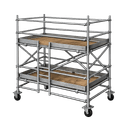
Temporary Structures
Covers scaffolding, fencing, and temporary buildings.

Soft Costs
Covers additional expenses from construction delays due to covered losses.

Equipment Coverage
Covers permanently installed fixtures and equipment.
What Makes Stamford Different
High property values are the main thing that changes the buying calculus here. Stamford’s median household income is $107,474 and the city’s median home value is $614,300, so many residential and mixed-use projects involve more money tied up in finishes, specialty materials, and owner expectations than a standard replacement-cost worksheet captures on its own. That matters most on renovations and custom work, where existing structure, partial occupancy, and change orders can blur the line between what is already insured and what is being built. If your budget includes imported tile, custom millwork, premium glazing, or owner-purchased appliances, make sure the reported completed value and soft-cost discussion keep pace with the real job scope. The practical risk is not just physical damage. It is finding out after a loss that the policy value, covered property definition, or named insured structure did not match the way the project was actually financed and supplied. In this market, careful valuation is usually more important than chasing a bare minimum certificate.
Our Recommendation for Stamford
Start with the money flow. If the owner, lender, and general contractor all have a financial interest in the work, ask for the named insured and loss payee structure to be reviewed against the contract before the first draw. In a market tied to office, retail, and health care occupancy, phased renovations are common enough that you should also ask how the policy treats existing structures, temporary protection, and materials waiting to be installed. The county contains 19,826 business establishments, so many projects here involve tenant improvement work, vendor access, and tight scheduling around active operations rather than a simple ground-up build. That makes documentation matter. Keep a current schedule of values, note where materials are stored, and update the carrier if the completion date slips or the scope expands. If the project includes high-end finishes or owner-furnished items, request confirmation that those values are reflected before they arrive on site. A short coverage review before closing usually costs less time than fixing a gap after a loss.
Get Builders Risk Insurance in Stamford
Enter your ZIP code to compare builders risk insurance rates from carriers in Stamford, CT.
Business insurance starting at $25/mo
FAQ
Frequently Asked Questions
Stamford projects often start with valuation. Custom residential jobs here can involve higher-end finishes and owner-supplied materials, so you should review completed value, covered property definitions, and any soft-cost needs before binding.
Stamford-area commercial work often serves office, retail, or health care users, so the policy should be reviewed for phased work, temporary protection, and materials on site while the business mix and occupancy schedule shape how the project is staged.
Western Connecticut Planning Region has 19,826 business establishments, so many local jobs involve active buildings, tenant coordination, and vendor access. That is a good reason to review storage, security, and completion timing instead of treating the project like a simple vacant-site build.
Stamford renovations can create a mismatch between the contract sum and the real value at risk. If the owner is buying appliances, fixtures, or finish materials directly, ask whether those items are included and when coverage attaches.
Stamford sits in a county where professional, scientific, and technical services account for 13.2% of establishments, so office and client-facing interiors are common. That makes finish quality, long-lead materials, and handoff timing worth reviewing in the policy structure.
The buyer is usually the party the contract makes responsible for insuring the project, often the owner or general contractor. Check the construction agreement and lender requirements first so the policy matches the financial interests tied to the job.
Renovation work is often where coverage review matters most, especially in occupied buildings. You should confirm who insures the new work, who insures the existing structure, and whether any gap appears if one loss affects both areas.
Yes, a policy can help cover materials stored off site, but only if the storage location is disclosed and approved before binding. The location, protection measures, and policy wording need to match how your project actually operates.
Sources
- 1.U.S. Census Bureau, County Business Patterns, Western Connecticut Planning Region(Professional, scientific, and technical services lead the business mix in the county that contains Stamford, at 13.2% of establishments.; The county contains 19,826 business establishments.)
- 2.U.S. Census Bureau, ACS 5-Year Estimates, table B25077(The city’s median home value is $614,300.)
- 3.U.S. Census Bureau, ACS 5-Year Estimates, table B19013(Stamford’s median household income is $107,474.)
Updated July 5, 2026





