Updated July 16, 2026

Key Takeaways
- Compare quotes using the same peak inventory value, deductible, and valuation assumptions so you can see real coverage differences.
- Ask in writing how the policy handles hail, flood, theft, vandalism, and test drives before you bind coverage.
- Prepare a current inventory schedule, offsite storage list, and security summary before requesting dealer open lot insurance quotes.
- Review whether flood needs separate placement instead of assuming another policy form includes it automatically.
- Requote after security upgrades, lot layout changes, or improved claims history so pricing reflects your current risk.
Dealer Open Lot Insurance in Connecticut
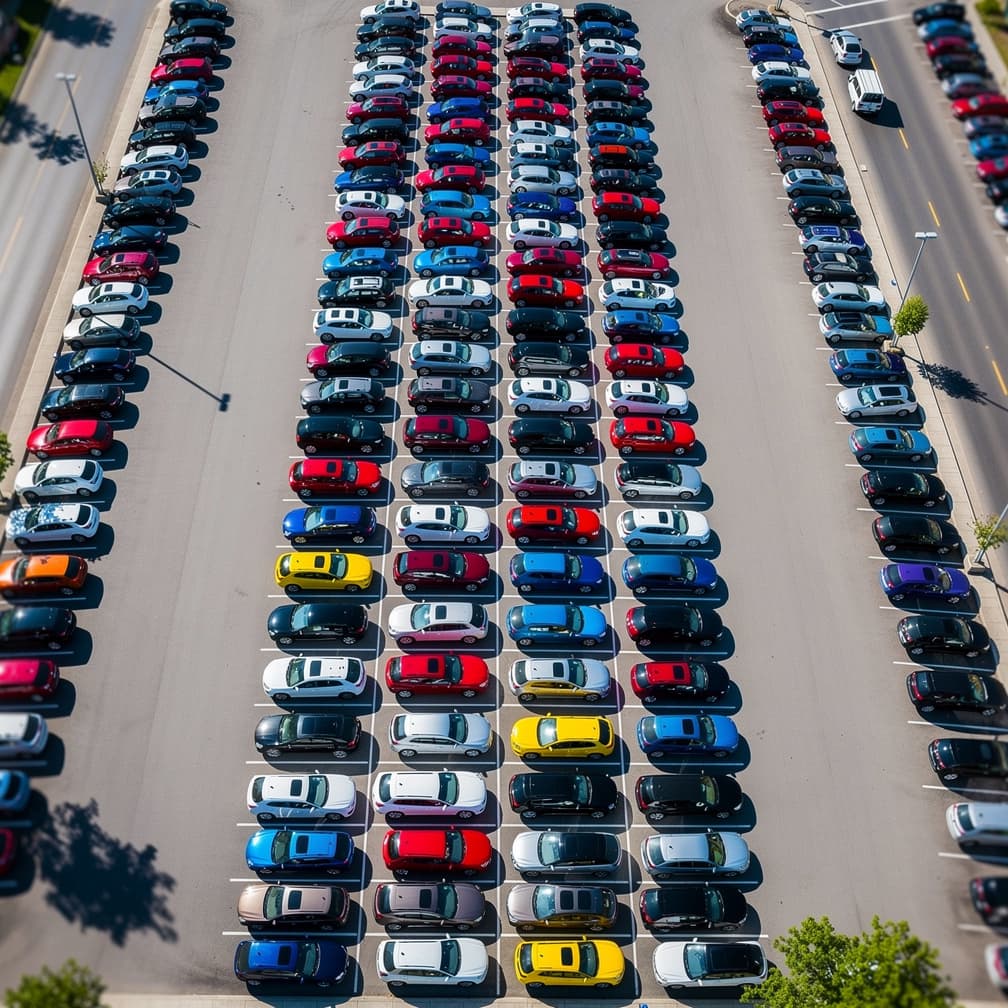
Most dealers think about this coverage right before opening, expanding, or renewing after a year of growth. That timing works against you. By the time you request quotes, an underwriter can already see your lot layout, storage habits, and test-drive procedures. Rushed applications miss details that affect how losses are reviewed. If you are shopping for this coverage in Connecticut, it helps to approach the quote as an inventory exposure review, not just a box to check before financing, licensing, or floor plan discussions move forward. Connecticut dealers often need to think through coastal weather, inland storm conditions, theft controls, and how vehicles are parked overnight across the main lot and any overflow locations. The real question is whether the schedule, values, storage addresses, and handling practices on your application match how your dealership actually operates this month. Before you request quotes, pull an inventory list, confirm every storage location, and note any units that regularly leave the lot for service, transport, or demonstration.
What Dealer Open Lot Insurance Covers
In Connecticut, the useful coverage conversation usually starts with where your inventory sits and how often it moves between addresses. A dealer with a single fenced lot has a different exposure than one that rotates units between a frontage display area, a back storage section, and an overflow location during busy buying periods. That difference matters because claim handling often turns on whether the vehicle was at a scheduled location, in ordinary dealership handling, or temporarily somewhere the carrier expected to see it.
For many dealers, the state-specific review point is weather concentration. Connecticut can bring coastal storm conditions, heavy rain, wind, and winter weather in ways that affect outdoor inventory differently from one county to the next. That makes it worth reviewing how the policy treats flood-related damage, falling objects, lot drainage issues, snow load around storage structures, and vehicle movement before a forecast event. If you keep higher-value units in one section of the property, ask whether your layout creates a concentration issue that should be addressed before renewal.
Security details also matter more than many buyers expect. Carriers often want a clear picture of fencing, lighting, camera placement, key control, after-hours access, and whether transporters or service vendors ever leave units in unsecured areas. In Connecticut, where lots can be compact and close to neighboring businesses or residential streets, the way you stage vehicles overnight can affect both underwriting and claims documentation. Review any gap between your written procedures and what your staff actually does at closing time.
You should also ask how the policy responds when inventory is being moved for reconditioning, emissions-related work, detailing, auction activity, or temporary storage. Those movements seem routine, but custody shifts and location changes are exactly where coverage assumptions break down.

Weather Damage
Covers hail, wind, flood, and storm damage to lot inventory.
Theft Protection
Covers vehicles stolen from your lot.

Fire Damage
Covers fire and explosion damage to inventory vehicles.

Vandalism
Covers intentional damage to vehicles on your lot.
Test Drive Coverage
Covers vehicles during customer and employee test drives.
Transit Coverage
Covers vehicles being moved between lot locations.
Dealer Open Lot Insurance Requirements in Connecticut
- Shoreline and inland Connecticut locations can present very different loss scenarios. A coastal lot may face wind-driven rain, salt exposure, and storm surge risks that an inland dealer in Litchfield County rarely sees, while that same inland property might deal with heavier snow accumulation and drainage problems from frozen ground. Property layout, elevation, and proximity to water all change how a carrier evaluates your exposure, so make sure your application reflects those specifics rather than a generic lot description.
- Dealers that send units out for reconditioning or service should clarify how ordinary movement is documented and when custody shifts to another party. If a transport driver picks up a vehicle for delivery and it is damaged in transit, the question of who held responsibility can turn on a bill of lading, a service ticket, or a timestamped text message. Establish a paper trail for every handoff so there is no ambiguity about where the unit was, who had it, and what condition it was in when custody changed.
How Much Does Dealer Open Lot Insurance Cost in Connecticut?
Pricing in Connecticut usually comes down to exposure quality, not a simple statewide average. Underwriters want to understand the total value of vehicles you hold for sale, but they also look closely at where those units are stored, how tightly values are tracked, whether inventory turns quickly, and how often vehicles move off the main lot. A quote built on stale inventory data can look workable at first and become difficult later if a claim shows the schedule or values were not current.
Location details carry real weight. A dealership near the shoreline may present a different weather profile than one farther inland, and a lot with poor drainage or limited separation between vehicles can create a different loss scenario than a property with better spacing and controlled storage. The same is true for offsite storage. If you use overflow space, even temporarily, tell the underwriter exactly where it is and how vehicles are secured there. Leaving that out to simplify the application can create a harder conversation after a loss.
Operational controls also affect pricing. Carriers often look for disciplined key management, documented closing procedures, camera coverage, lighting, fencing, and a reliable process for reconciling inventory against sales and transfers. If your dealership sends units out for service, detailing, or transport, explain who handles those moves and how custody is documented. Clear procedures can support a cleaner underwriting file.
State oversight also matters at the process level. The Connecticut Insurance Department regulates policy forms and complaint handling, which means you have a place to escalate disputes if a carrier denies a claim in a way that seems inconsistent with the policy language you were sold. Still, the practical move is to read endorsements carefully before you commit. Request quotes using the same inventory date, storage addresses, and deductible assumptions so you can compare terms on equal footing.
Request a Quote Comparison
Enter your ZIP code to compare dealer open lot insurance rates from top carriers.
Business insurance starting at $25/mo
Who Needs Dealer Open Lot Insurance?
In Connecticut, this coverage deserves a close look any time your business holds titled vehicles for resale and leaves them exposed to weather, theft, vandalism, or handling loss before delivery. If you own the units, store them, move them, and present them for sale, you have an inventory exposure that should be reviewed on its own facts.
Independent used car dealers are the clearest example, especially if inventory changes quickly and some units are parked off the main frontage lot. Franchise operations also need a careful review when they separate new and used inventory, keep overflow stock at another address, or move vehicles between affiliated locations. Powersports, trailer, RV, and specialty dealers can face similar issues when units sit outdoors for long periods or are staged in multiple areas depending on season and demand.
Connecticut-specific need often shows up in the details of property use. A compact urban lot, a suburban dealership with overflow parking, and a shoreline operation dealing with storm preparation all present different questions for storage, spacing, and emergency movement. If your staff relocates vehicles ahead of severe weather, ask whether every destination is properly disclosed. If you rely on third parties for transport or service, review where responsibility begins and ends each time a unit leaves your control.
This coverage also matters for dealers in transition. If you are opening a new location, taking on more floor planned inventory, adding a secondary storage site, or changing the mix toward higher-value units, your prior setup may no longer match your current exposure. Review your policy before the inventory shift is complete, not after a loss exposes a gap.
Dealer Open Lot Insurance by City in Connecticut
Dealer Open Lot Insurance rates and coverage options can vary across Connecticut. Select your city below for localized information:
How to Buy Dealer Open Lot Insurance
Buying this coverage in Connecticut goes more smoothly when you prepare the file the way an underwriter will review it. Start with an inventory report that shows each unit held for sale and the value basis you want the carrier to evaluate. Then match that report to every address where vehicles are actually stored, even if an overflow area is used only during busy periods. If a location appears in your operations but not in the application, fix that before you request terms.
Next, document how inventory moves. Underwriters usually want to know whether units stay on the lot, go to offsite reconditioning, move between affiliated locations, or leave for demonstrations, transport, or temporary storage. In Connecticut, where weather can force short-notice vehicle relocation, it is smart to describe your storm preparation process in plain language. Explain who decides to move units, where they go, and how you track them while they are away from the main lot.
You should also assemble your security and control information before shopping. That includes fencing, lighting, cameras, key storage, after-hours access rules, and any written opening and closing procedures. If you have had prior losses or near misses, be ready to explain what changed afterward.
Once you have comparable submissions ready, ask each quote source to review the same deductible structure, listed locations, and assumptions about offsite storage and vehicle movement. Then read the endorsements, exclusions, and location language carefully. If any term is vague, ask for clarification in writing before you commit. That step matters more than getting a fast indication. Request a quote through CPK Insurance to compare your options with participating licensed providers.
How to Save on Dealer Open Lot Insurance
The strongest way to save on this coverage in Connecticut is to make your inventory easier to underwrite and easier to verify after a loss. Start with location discipline. Keep an updated list of every place vehicles are stored, including overflow areas, service locations, and any temporary holding spots used during weather events or peak inventory periods. If your actual storage pattern is cleaner and better documented, your submission is usually easier for a carrier to evaluate.
Inventory accuracy is the next lever. Reconcile units regularly so sold vehicles come off the list promptly and newly acquired vehicles are added without delay. A dealership that can show current values, clear acquisition records, and consistent transfer logs presents less uncertainty than one relying on an outdated spreadsheet. That does not guarantee a lower premium, but it gives the underwriter fewer reasons to price for ambiguity.
Physical controls can also help. Review fencing gaps, lighting blind spots, camera coverage, key procedures, and where high-value units are parked overnight. In Connecticut, where storm preparation can require quick movement, create a written relocation plan and train staff to document where each vehicle goes. A carrier may view that more favorably than an informal process that depends on memory during a severe weather alert.
Finally, shop with a clean, consistent submission. Use the same inventory date, addresses, and deductible request across quotes so you can see whether price differences come from underwriting appetite or from different assumptions. If one quote looks materially lower, check whether offsite storage, movement, or certain causes of loss were treated differently.
Our Recommendation for Connecticut
Connecticut dealer lots have specific exposure patterns that make the location and movement review more important than the premium quote itself. Many coverage problems start because the main lot is described accurately, but overflow storage, service movement, or storm relocation practices are left too vague. If your inventory ever sleeps somewhere other than the primary address, put that on the table early.
Ask for a quote review that tests three specific areas. First, confirm how every storage address is scheduled and whether temporary locations create any issue. Second, walk through your weather plan, especially if you are near the shoreline or move vehicles ahead of major storms. Third, verify how the policy responds when units are in ordinary dealership handling, including transport to reconditioning or another lot.
You should also compare deductibles with your actual cash flow tolerance, not just the lowest premium option. A deductible that looks manageable on paper can feel very different if multiple units are damaged in one event. Before you commit, read the location wording, offsite storage language, and any endorsements that narrow how inventory is valued or where it is covered. Then keep a dated inventory report and photo record ready so your file is stronger if a claim ever needs to be documented.
FAQ
Frequently Asked Questions
Yes. Lenders, floor plan providers, and licensing boards often expect proof of physical damage coverage before you take delivery of your first units. Compare forms and endorsements carefully so the policy matches how your lot will actually operate.
Connecticut coastal locations can change how you think about vehicle spacing, drainage, storm preparation, and temporary relocation. Instead of assuming your normal lot setup is enough, ask how the policy treats inventory moved ahead of severe weather and whether every destination address is scheduled.
A Connecticut dealer's policy may help cover overflow storage, but the key issue is disclosure. If vehicles are kept at another address, even temporarily, list that location during quoting and confirm the policy language matches how inventory is actually stored and moved.
Connecticut dealers usually need an inventory list, values, all storage addresses, and a clear description of how vehicles move for service, detailing, transport, or demonstrations. The cleaner that file is, the easier it is to compare quotes on equal terms.
Connecticut policies may handle storm relocation differently depending on the wording and the locations involved. Ask whether temporary movement ahead of severe weather is contemplated by the policy and whether each destination must be specifically disclosed.
Connecticut dealers should usually keep deductibles consistent while shopping so quote differences are easier to evaluate. If one option looks much lower, check whether the savings come from a higher deductible or narrower treatment of offsite storage and movement.
The Connecticut Insurance Department regulates policy forms, licensing, and consumer complaints at the state level. If a dispute arises over a claim or policy form, that is where you would file a grievance. Keep copies of endorsements and written quote assumptions to support your position.
Dealer open lot insurance nationwide is generally reviewed for damage or loss to vehicles you own for sale, including hail, wind, theft, vandalism, fire, flood, and test drive exposure, depending on your policy terms, deductibles, valuation method, and any location or off-premises limitations.
Sources
- 1.Connecticut Insurance Department(The Connecticut Insurance Department is the state regulator.)
Updated July 16, 2026