







































Updated July 16, 2026

Garage Keepers Insurance in New Haven
New Haven County's largest business sectors are health care and social assistance at 13.8% and retail trade at 13.5%. In practical terms, your bays see a constant rotation of commuter cars, delivery vans, and customer vehicles that cannot sit idle for long. Your exposure is not just how many cars stay overnight. It is how tightly you park them, how often staff reposition them, and how quickly owners expect release once repairs or service are done. In a county with roughly 13,800 business establishments, you operate in close quarters where shared lots and neighboring traffic multiply the chances of a fender bender or lot damage going unnoticed until a customer returns. That density means a single unnoticed incident can become a multi-vehicle claim before anyone realizes what happened.
Garage Keepers Insurance Risk Factors in New Haven
New Haven's top risk factors include Flooding, Hurricane damage, Coastal storm surge, and Wind damage.
Connecticut has a moderate climate risk rating. Top hazards: Hurricane (High), Nor'easter (High), Flooding (Moderate), Winter Storm (Moderate). The state's expected annual loss from natural hazards is $620M, which influences garage keepers insurance premiums and may affect coverage availability in high-risk areas.
What Garage Keepers Insurance Covers
In Connecticut, the useful question is not whether customer vehicles are on your premises, but how they are exposed once they arrive. A shop that keeps cars inside overnight faces a different loss pattern than a business that stages vehicles outdoors waiting on parts or leaves completed units in an unfenced pickup area. Your review should focus on those operational details because they change how a claim is investigated and how limits should be considered.
For many Connecticut operations, weather planning deserves more attention than buyers first expect. If your area can see coastal storm conditions, heavy rain, wind, or winter weather, you should ask how vehicles are protected when your normal parking plan breaks down. A carrier will want to know whether you can move customer vehicles indoors, whether overflow spaces are exposed to falling limbs or debris, and whether your staff has a written process for relocating higher-value vehicles before conditions worsen.
You should also look closely at handoff points. After-hours drop boxes, open key cabinets, shared lots, and subcontracted towing can all complicate who had control of a vehicle at the time of loss. If your business road tests vehicles, stores them before insurer approval, or keeps them pending customer payment, say so up front. Those facts help shape a cleaner quote and reduce the chance that a claim turns into an argument over where the vehicle was, who moved it, and whether your procedures matched what was disclosed.
Coverage Included
Collision Coverage
Covers damage to customers' vehicles from collisions while in your care.

Comprehensive Coverage
Covers theft, vandalism, fire, and weather damage to customers' vehicles.

Specified Perils
Covers only specifically named perils at a lower premium.

Legal Liability
Covers damage you or your employees directly cause to a customer's vehicle.

Direct Primary
Pays regardless of fault, the broadest garage keepers coverage available.
What Makes New Haven Different
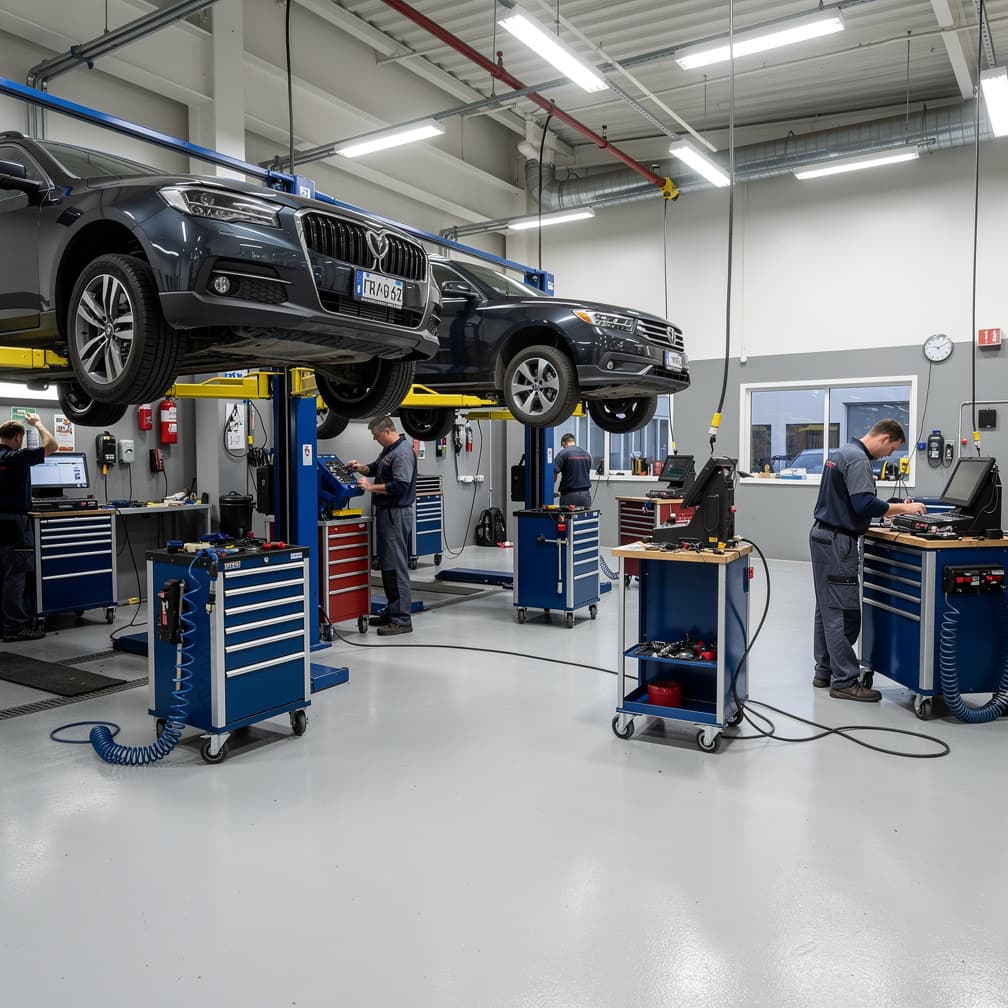
The risk comes from volume in a confined space. Every time an employee moves a customer's car, the chance for a scratch or dent grows. A compact lot, street-adjacent parking, shared access with neighboring businesses, and frequent vehicle shuffling can raise the stakes of a small mistake. Staff often move customer cars several times before pickup, and each reposition is a chance for damage. Delays and damage disputes become more consequential when a customer needs their car back for a shift the next morning. Review whether your quote matches your real storage pattern, including keys left on site, indoor versus outdoor parking, and whether vehicles ever wait for parts or pickup longer than planned.
Our Recommendation for New Haven
Pull out your lot map and walk through what actually happens at drop-off and pickup. If vehicles are parked in more than one area, moved by multiple employees, or left pending pickup after hours, ask your agent to review those facts before you compare limits. A strong application tells the full story: where customer cars sit, who holds the keys, whether any vehicles are stored off-site, and what you photograph or log at intake to capture pre-existing damage. New Haven median household income is $53,771. For many households, that budget leaves no room for a rental car while repairs sit unfinished, so a delay can cost your customer their ability to get to work. That can make condition disputes more sensitive after a loss. Ask how your policy terms respond to theft, weather, and losses involving vehicles awaiting owner authorization. Before you bind, compare your peak vehicle count against your selected limit, then use that number to request terms.
Get Garage Keepers Insurance in New Haven
Enter your ZIP code to compare garage keepers insurance rates from carriers in New Haven, CT.
Business insurance starting at $25/mo
FAQ
Frequently Asked Questions
Be specific about your daily operations. Tell your agent how many cars you typically hold overnight, which employees are authorized to move them, and what happens when a customer cannot pick up before closing. The more detail you provide about your real workflow, the more accurately a participating provider can match your quote to your actual exposure.
When customer vehicles sit bumper to bumper in a shared lot, one careless reposition can damage two or three cars at once. Tight parking and frequent moving also mean small scrapes may go unnoticed until the owner returns, which turns a minor incident into a trust problem.
It can. Health care and social assistance leads at 13.8%, retail trade is 13.5%, and other services are 11.3%. When your customers work shifts, make deliveries, or run service calls, they need their vehicles back on a schedule that does not bend. That pressure can push shops to rush moves or skip documentation, and rushed work is when small losses tend to grow.
New Haven customers may be especially focused on repair timing and vehicle condition at pickup. With median household income at $53,771, a single repair bill can strain a family's monthly budget to the breaking point. Photographing the vehicle at intake and getting the owner's signature on existing damage is your best defense against a dispute that turns into a claim.
Connecticut repair shops may want to review this coverage whenever customer vehicles stay overnight, because custody does not end when the bay closes. The key question is whether your operation controls where those vehicles sit and who can access them, which is what triggers the exposure this coverage can help address.
Connecticut weather risks matter because outdoor storage, overflow parking, and emergency vehicle moves can change your exposure fast. Ask how your policy responds when normal parking plans shift during severe conditions, and make sure your storm procedures match what you disclosed on the application.
Connecticut body shops and dealership service departments can face different custody patterns, especially if one stores vehicles longer or moves them more often. The better quote usually comes from disclosing your actual intake, storage, road test, and pickup workflow instead of relying on business category alone.
The Connecticut Insurance Department regulates insurance in the state. That matters to you because they handle consumer complaints, license carriers, and publish guidance that can help you compare policy forms or resolve a coverage dispute.
Sources
- 1.U.S. Census Bureau, County Business Patterns, South Central Connecticut Planning Region(Health care and social assistance is the largest establishment sector in the county containing New Haven, at 13.8%, with retail trade close behind at 13.5%.; In a county with 13,808 business establishments, you are operating around dense commercial activity, shared lots, vendor traffic, and customers who may need proof that a loss involving their vehicle is being handled correctly before they return.; The county business mix supports that pattern: health care and social assistance, retail trade, and other services together account for a large share of establishments.)
- 2.U.S. Census Bureau, ACS 5-Year Estimates, table B19013(New Haven median household income is $53,771, so many customers may keep older vehicles longer and expect practical repair timelines rather than quick replacement.)
Updated July 16, 2026





